Are wild boar spreading African swine fever to Europe's pig farms?

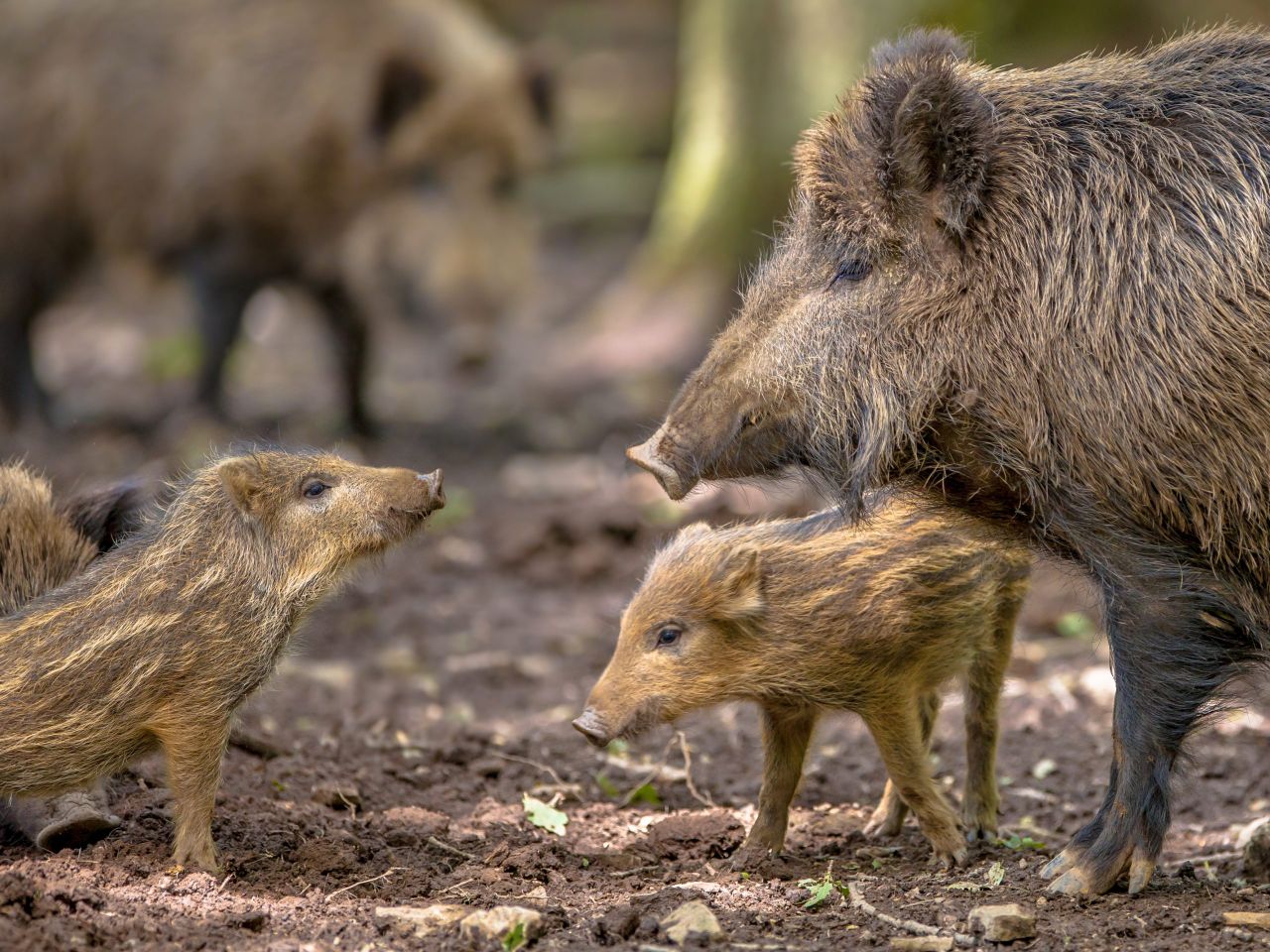
Watching how wild boar move and behave, as well as how they interact with pig farms, could help tackle the spread of African swine fever (ASF) across Europe.
That's according to the European Food Safety Authority (EFSA), which has released a report on wild boar movements across 13 countries in Europe.
Head of EFSA’s Biological Hazards and Animal Health and Welfare (BIOHAW) Unit, Frank Verdonck, said: "Knowing how wild boar move can help countries target ASF surveillance more effectively.
"By bringing together high-precision tracking data from several European countries, we now have a clearer picture of their behaviour and the factors that may influence the spread of the disease."
Wild boar movements
EFSA scientists interpreted results from GPS tracking data collected from about 700 wild boar in ASF-free areas across 13 European countries, broken into a series of 14-day periods.
According to the findings, in 22% of the periods assessed, tracked wild boar whose home ranges included pig farms came within 50m of a farm at least once, with an average of four approaches per 14-day period.
These approaches were more frequent among adult males, and in environments that featured both woodland and agricultural habitats.
The EFSA said: "These results further underline the importance of enhanced farm biosecurity in areas with ASF-affected wild boar population, to prevent ASFV introduction through environmental contamination."
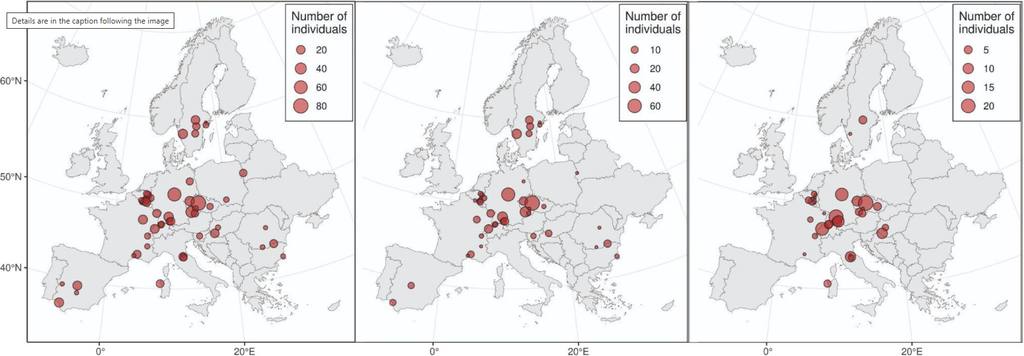
The study found that wild boar generally stay within a relatively small area, with their home range averaging 2.4km2.
"This finding is consistent with previous observations that ASF tends to spread gradually through neighbouring areas," the report said.
However, on rare occasions, journeys of up to 60km were recorded, particularly among young males.
The EFSA warned that this highlighted the potential for occasional long-range spread of ASF.
ASF spread factors
In a separate analysis of ASF surveillance data, EFSA scientists investigated factors associated with the disease’s occurrence, persistence and spread.
Higher wild boar density was associated with a greater spread of ASF to previously unaffected areas, the report said.
The findings suggest that surveillance and control efforts should focus particularly on areas with high wild boar densities at the edge of an advancing outbreak.
Environmental conditions also played a role. In areas with higher minimum temperatures, a smaller proportion of wild boar carcasses tested positive for ASF, and the disease tended to persist for a shorter period.
The EFSA also stressed the importance of finding wild boar carcasses in surveillance and control of the disease.
It assessed methods for searching for carcasses in the field and estimating how long animals have been dead.
Trained detection dogs make searches for wild boar carcasses more effective.
Drones are also used for carcass searches in some EU member states, although their "effectiveness is strongly influenced by vegetation cover, weather and light conditions as well as operational limitations (e.g. pilot training, flight endurance)", the report said.
Once a carcass is found, visually assessing its stage of decomposition is the most widely used method to estimate how long the animal has been dead.