Advice on collection and storage of silage effluent

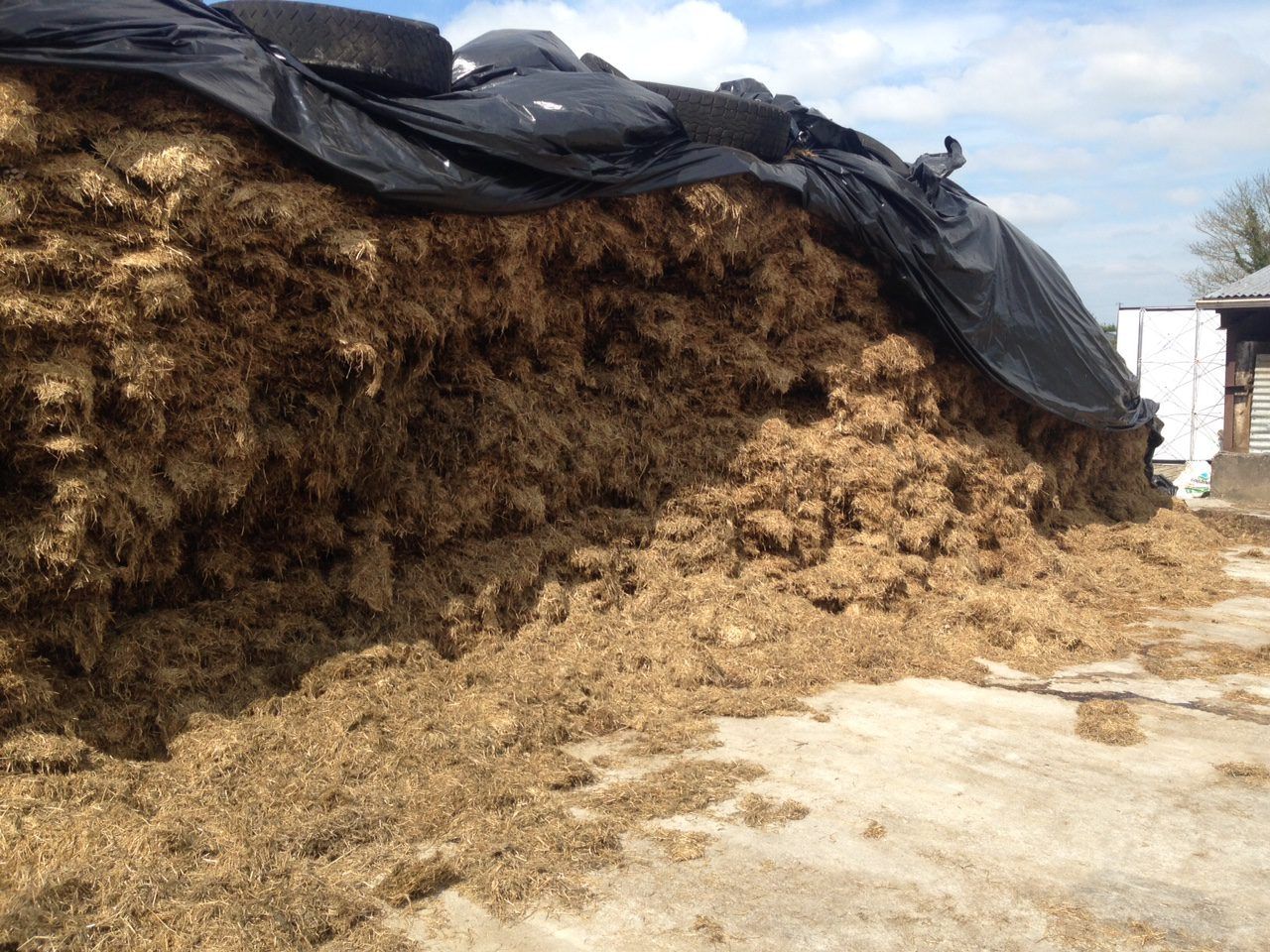
Silage effluent is a highly polluting liquid that must be entirely collected and safely stored to prevent severe water contamination, according to Teagasc.
Enda Geoghegan, adviser with Teagasc, is reminding farmers of the importance of having proper infrastructure and practices in place around silage time to prevent runoffs.
Pre-season checks are essential to ensure the silage pit and channels are up to standard, the adviser said.
All channels should be cleaned out before grass is brought in and any holes or cracks filled with acid-resistant sealants.
The easiest way to control effluent is to reduce it, Geoghegan said.
By wilting in fields where weather allows, farmers can ensure effluent or 'seepage' is reduced.
Coverage
Extend the silage polythene cover beyond the effluent channels to prevent rainwater from diluting the effluent.
Channels can be filled with drainage pipes to prevent blockages and ensure seepage has a clear exit from the silage pit.
The biggest risk of effluent run-off occurring is in the first six weeks after ensiling when most of it is produced but monitoring is required as long as there is silage stored.
Overflows are more common where rainwater has access to storage so having separate sealed tanks for effluent only minimises risks.
Regulations
- Silage effluent tanks must be at least 10m away from inland surface waters;
- Tanks must be at least 50m away from wells, springs, and boreholes;
- Bales must not be stacked more than two high without adequate effluent collection facilities;
- Bales must be stored at least 20m from surface waters or abstraction points;
In addition, farmers are advised not to spread effluent on frozen or waterlogged land or within 48 hours if heavy rain is forecast.
Buffer zones must also be respected with 5-20m given, depending on the type of river or lake.