UK supermarket switches to white eggs to 'lower carbon footprint'
By Chris McCullough
Social media got all fired up after the UK’s second largest supermarket announced it was only going to stock white eggs in its own brand as they were more environmentally friendly.
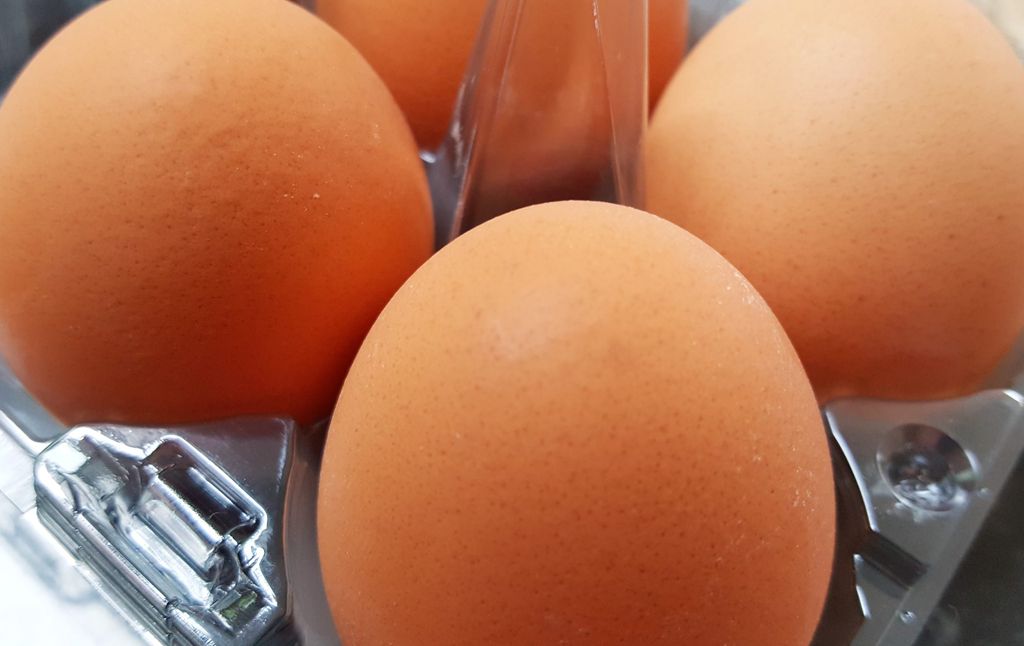
Sainsbury’s said it had commissioned research which revealed brown eggs have a 12.7% higher carbon footprint than white ones, although confirming the two were identical in quality and nutrition.
The announcement is a move by the supermarket to achieve its ambitious targets of becoming 'net zero' within its own operations by 2035, and across all of its suppliers by 2050.
A Sainsbury’s spokesperson said: “White eggs are becoming an exciting part of the future of sustainable British farming, and they’re every bit as delicious and nutritious as the brown eggs many of us are used to.
“In fact, white and brown eggs are identical in nutrition and quality, with the only difference being the colour of the shell.
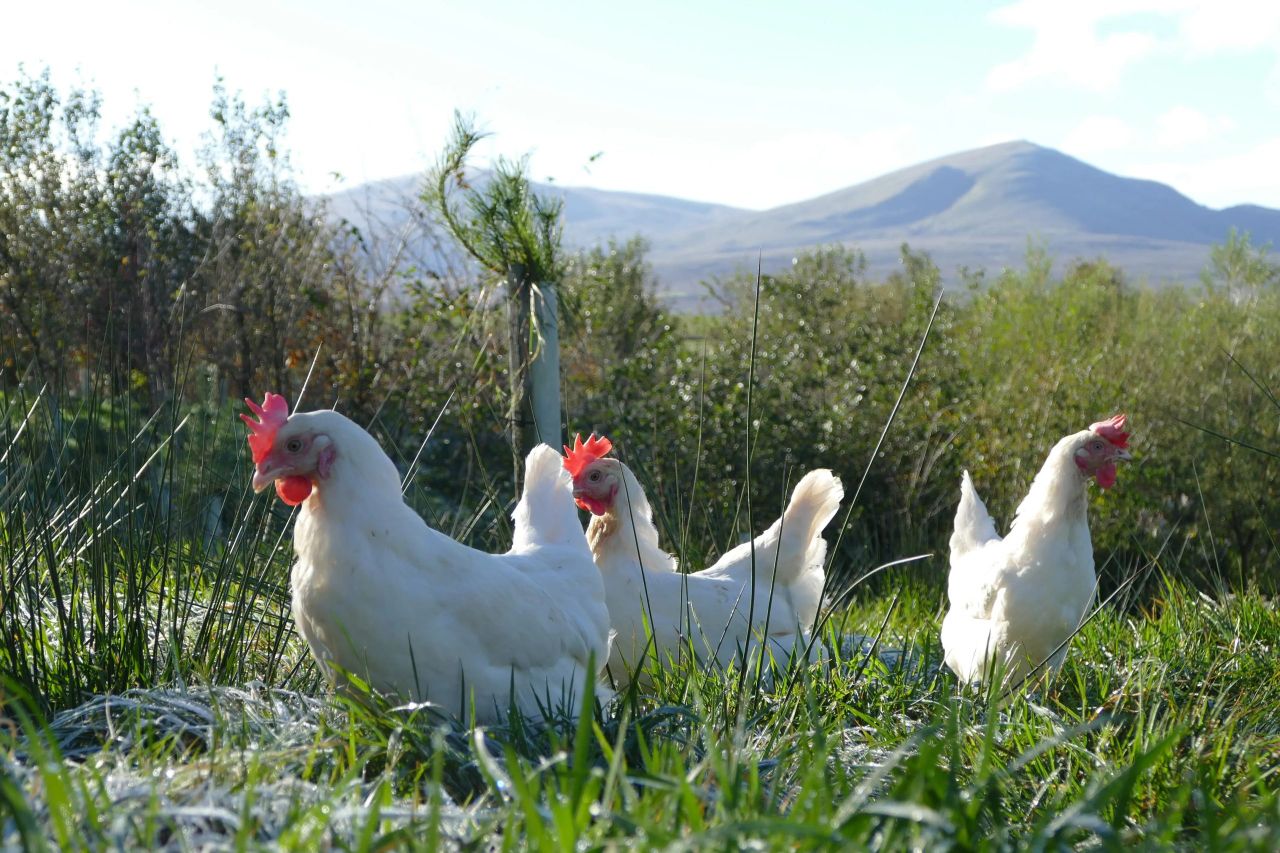
"Working closely with our Sainsbury’s Egg Group farmers and trusted supply partners, we’re transitioning so that our eggs will be laid by white feathered hens, who naturally produce white eggs.”
Eggs
According to poultry farmers, white hens are much more docile and gentle, with better health which reduces feather pecking.
They also tend to have a longer laying life and require less feed for the same egg output, contributing to over 12% reduction in carbon emissions compared to brown hens.
Sainsbury’s argues that because these hens use feed more efficiently, they indirectly help reduce demand on land and water used to grow feed crops, as well as the amount of manure produced, since their lifetime feed requirement is lower.
White eggs are still the most common type of egg produced in the world today, but the UK made a shift to brown eggs in the 1970s as they were perceived as more natural, even though there is no other difference between them.
Sainsbury’s said: “We have recently launched our Taste the Difference Golden Yolk white-shelled eggs which offer a lower-carbon alternative to brown eggs, while still delivering the exceptional taste, flavour and quality you expect.
“As we continue this transition, one thing will stay exactly the same: 100% of our shell eggs will remain free range, just as they have been since 2009.”
Meanwhile, egg consumers took to social media to voice their preferences of egg shell colour.
Most took a light hearted approach to the news while others were a bit sceptical of the white eggs' environmental impact.
Jez Fredenburgh, senior analyst, food and climate at Energy and Climate Intelligence Unit in the UK, said the move by Sainsbury’s was “a good news story”.
Fredenburgh said: “This is a good news story for British laying hens and British consumers, and is primarily about improving animal welfare while also helping to reduce emissions, water use, and free up land for other things.
“Depending on the breed, the hens that produce these white eggs tend to be more docile, meaning less aggression and pecking, although this also depends on management practices.
"They also need less feed, which is important because around 40% of the UK’s productive arable land is currently used to grow feed for livestock, including poultry and laying hens, and three of England’s worst harvests on record have been in the past five years due to extreme weather driven by climate change."
Fredenburgh explained that many laying hens in the UK are also fed imported soy including from South America, where soy growing generally has been widely documented as contributing to deforestation.
“There is ongoing research into more sustainable UK-grown replacements to this, such as peas, canola, lupins, and sunflowers.