Winter wheat harvest gets underway in Co. Down

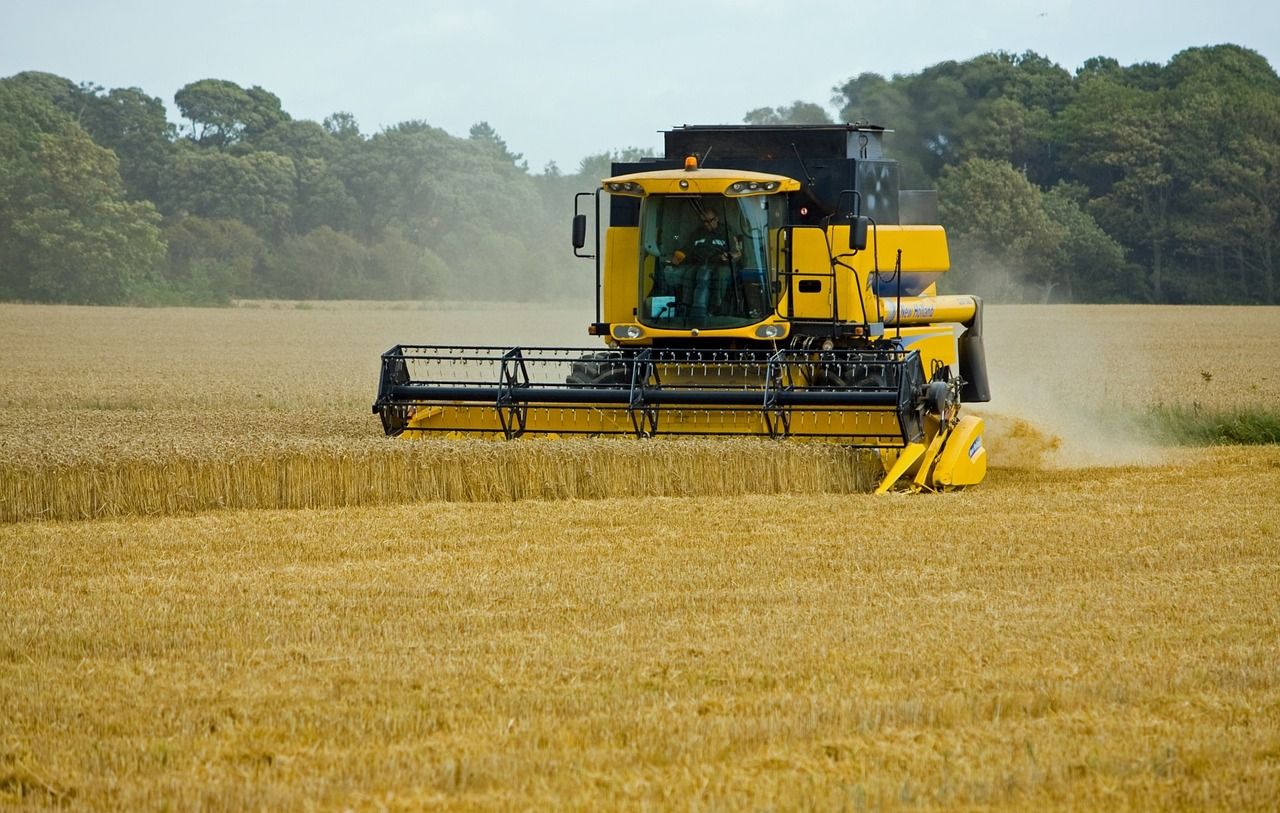
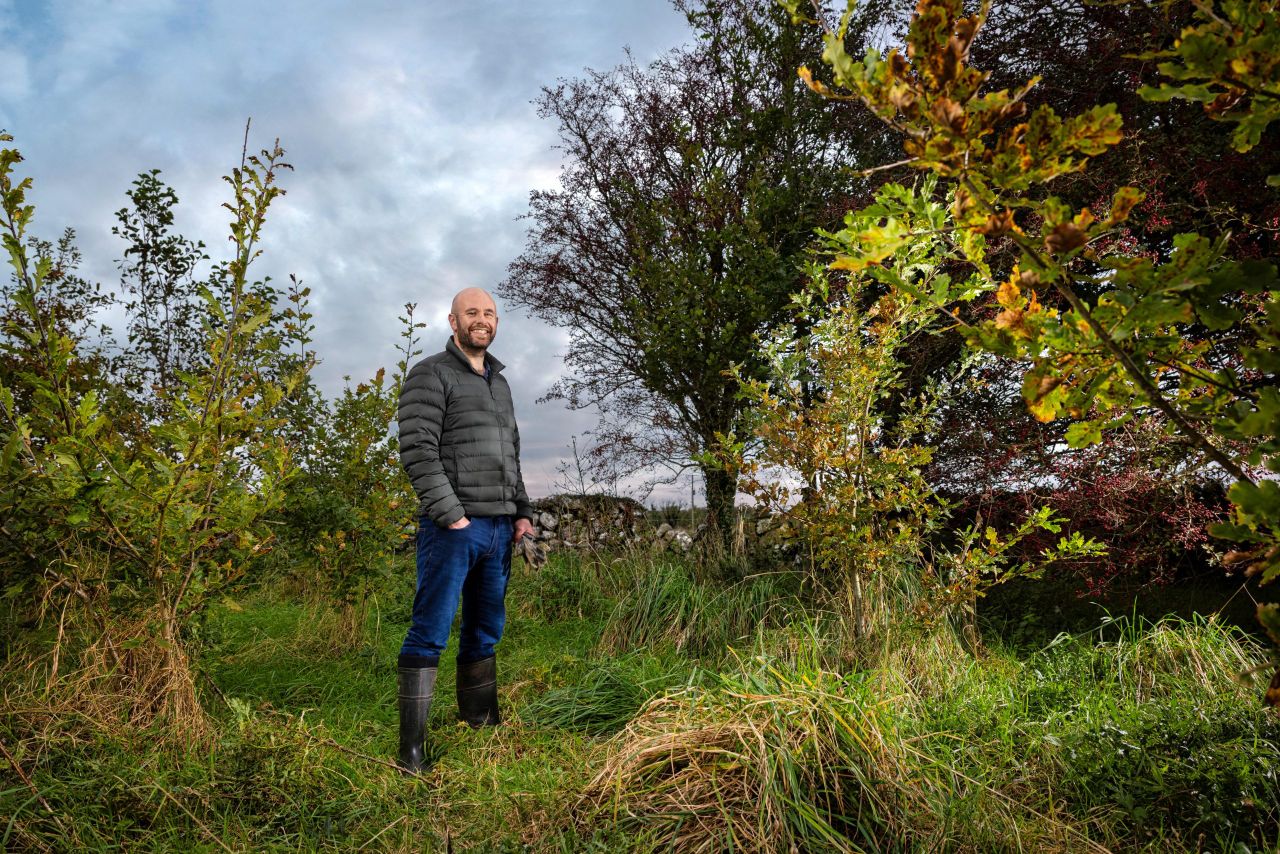
Downpatrick cereal grower Neill Patterson is gearing up to cut 200ac of winter wheat over the coming days, assuming the rain holds off.
He told Agriland: “We are just waiting for the weather to clear up."
He explained that approximately 25mm of "much needed" rain has fallen in the Downpatrick area over the past few days.
“We grow a mix of forage maize, winter barley and winter wheat. The maize was in particular need of rain.
“Little or no rain fell in the east Down area throughout the entire month of July.”
Patterson farms with Allan Chambers and is the current chair of the Ulster Arable Society (UAS).
The winter barley harvest in Co. Down was wrapped up a number of weeks ago.
Patterson said: “We were reasonably happy with the yields achieved, with some crops coming in at 3.6t/ac. Moisture levels averaged 14.5%.
"I know that in other parts of the country winter barley yields were below 3t.
"In our case, straw quality was excellent and it was baled very quickly in almost perfect condition.”
Looking ahead, Patterson believes that a proportion of the 2026 maize crop growing on the farm has been impacted by heat stress.
“This is particularly so on the top of rising ground where soil depth is that little bit shallower,” he explained.
NI arable sector
From a bigger picture perspective, the UAS chair believes that much more can be done to further develop the arable sector in Northern Ireland.
“The acreage dedicated to arable crops continues to decline,” he stressed.
“This trend must be reversed. Arable farming has a key role to play from an environmental perspective.
“For example, land dedicated to crop production is a very obvious home for slurries and farmyard manures.”
However, the UAS representative believes that much more that can be done by officials within the Department of Agriculture, Environment and Rural Affairs to facilitate the growth in crop production.
He said: “This includes making the current support schemes more workable.
“A case in point is the current management of the Environmental Farming scheme, within which support is made available for the growing of cover crops.
“However we have ended up with a scenario which sees the current scheme’s application period concluding at the end of July with farmer-applicants subsequently notified in September.
“But this is all too late from the perspective of arable farmers. The time to get cover crops in the ground is now.”