What should a farmer consider when culling ewes?

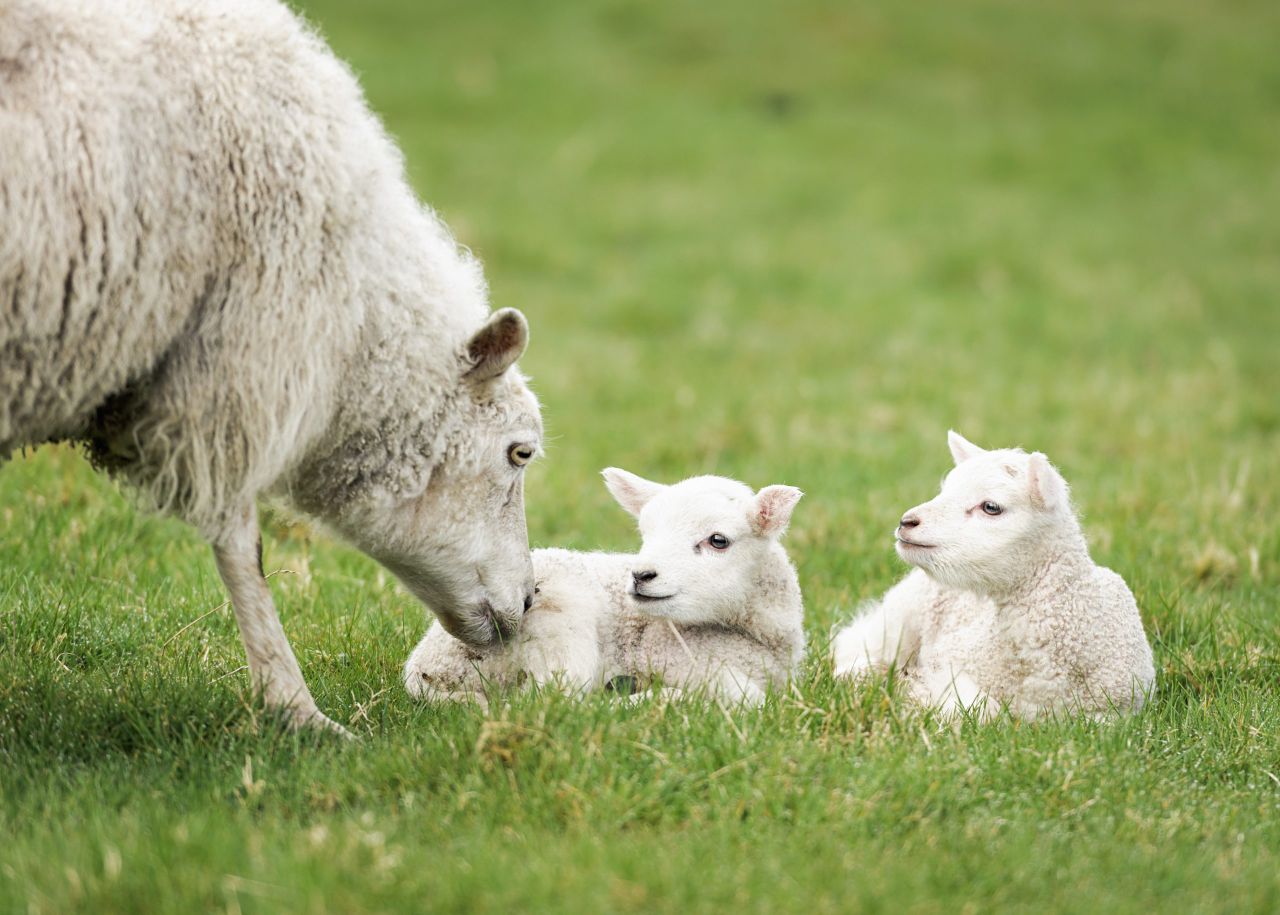
With strong mart prices and good factory quotes for ewes again this week, many farmers may be tempted to cull ewes now to take advantage of the trade.
Teagasc sheep researcher Dr. Tim Keady advises farmers that "to have your flock at its optimum means that problem ewes have been culled".
Udder defects are often one of the main reasons for culling ewes.
These include blind teat and poor milk yield and result in poor lamb performance.
By keeping lamb and ewe performance records throughout the year, a farmer can best identify these problem ewes.
A study carried out Teagasc's Athenry sheep research farm found that ewes culled for mastitis ranged from 1.6-13.3% across different age groups and averaged 5.7% of ewes culled per age group.
A key take away from this study was that while mastitis is more common in older ewes, it can occur at any age.
Subclinical mastitis
Subclinical mastitis is harder to identify in ewes but can be seen through reduced milk yield. Sub-clinical mastitis can also effect body condition score.
Selenium and vitamin A deficiencies have been linked to increased subclinical mastitis but more research is needed to confirm a definitive link.
Subclinical mastitis can result in acute infections down the line so detecting and culling affected cases can act as a preventative measure.
Lambs can act as a spreader of subclinical mastitis. Where the ewe does not have enough milk, cross suckling can lead to infectious bacteria transmission directly onto other ewe's teat and udder.
Lameness
Lameness is another major reason for culling ewes. It is estimated that lameness costs the sheep industry €5 million every year.
The national incident for infectious lameness is estimated at 6%, while a study of 400 farms across the country found that 90% reported foot-rot.
Sheep farmers should aim to keep lameness levels below 5% of the flock, according to Teagasc.
In the same study, Contagious Ovine Digital Dermatitis (CODD) was reported on 49% of farms surveyed.
As foot-bathing is ineffective and CODD is highly infectious, culling is advised.
Lameness has massive impacts on performance and where ewes require multiple treatments, culling should be considered as a cost effective solution.
As lameness will reduce BCS, it will impact a ewe's fertility and prolificacy, and subsequently may lead to lambing difficulty if the ewe's condition is not addressed.
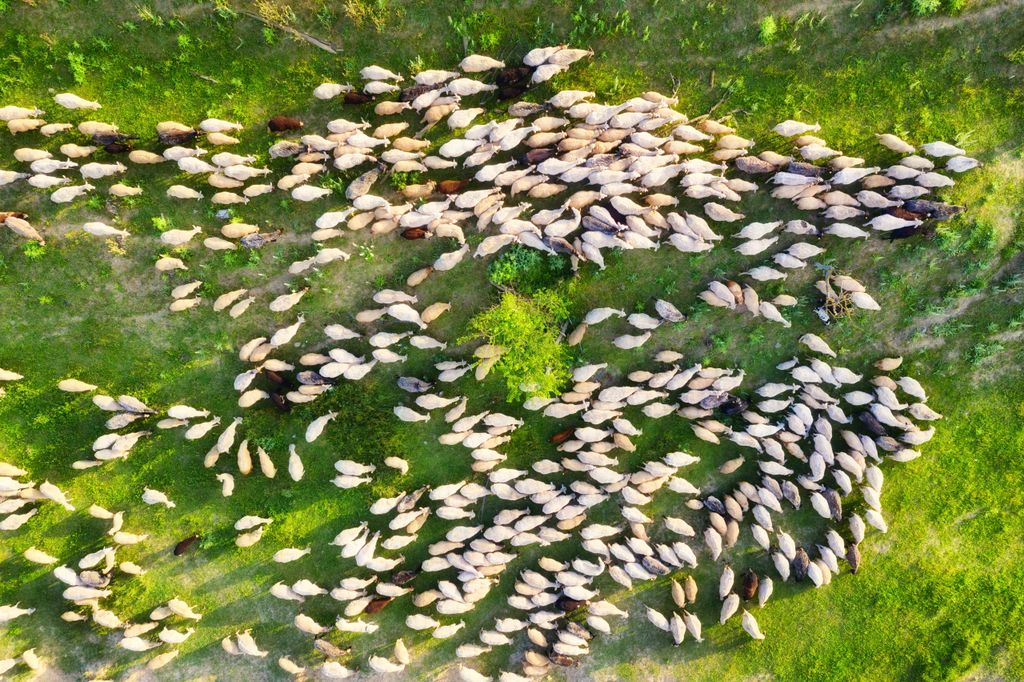
The Teagasc target for barren ewe rates in lowland sheep production is below 4%.
Where farmers have high barren rates, culling is advised as treatment of barren ewes can be expensive and have varied success rates.
'Broken mouths' or poor teeth has also been shown to impact ewe performance.
A Cambridge University study found that ewes with the lowest incisor score were over 8.5kg lighter by day 96 of lactation compared to ewes with good quality incisors.
Where there were twins under ewes with low quality incisors, the lambs suffered reduced growth rate.
Twin lambs were both nearly 4kg lighter at weaning when the best and worst incisor conditions were compared.