What does Starmer's resignation mean for UK's farming sector?

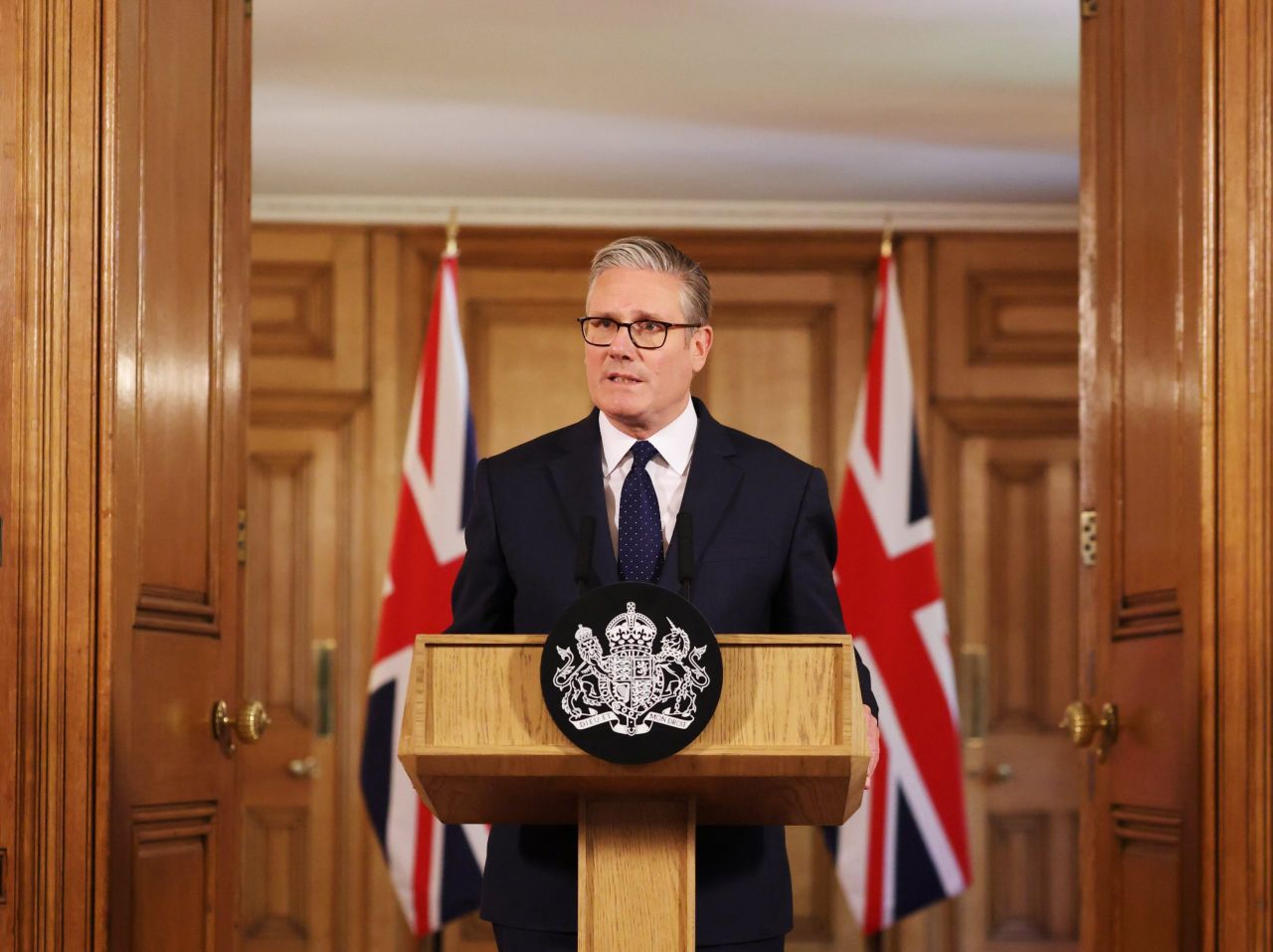
Keir Starmer has announced today (Monday, June 22) that he intends to resign as the UK's Prime Minister, giving British farmers an opportunity to reflect on his time at No. 10 Downing St.
Starmer was elected to the position in July 5, 2024 after beating the Conservative Party candidate Rishi Sunak.
Since then, the leader of the Labour Party, a role that Starmer also intends to step down from, has introduced several policies and bills that have impacted farming and rural communities across the UK, namely inheritance tax reform.
Starmer's Labour government first proposed the changes to agricultural property and business property relief during its Autumn budget in October 2024, with the tax thresholds being tweaked further on December 23, 2025 due to concerns from farmers.
Following April 2026, the inheritance tax threshold for agricultural and business property relief currently stands at £2.5 million, with spouses or civil partners allowed to pass on up to £5 million in qualifying agricultural or business assets between them before paying inheritance tax - on top of existing allowances.
Potential candidates
The imminent departure of Keir Starmer has sparked rumours of who might take up the position of UK Prime Minister, with newly-elected Labour MP for Makerfield, Andy Burnham, now currently set as the frontrunner following his return to Westminster.
When speaking to media during his election campaign, Burnham vowed to "revisit" the family farm tax policies.
He said: "I personally have heard from farmers; I met the National Farmers Union here in the north west shortly after [the inheritance tax reform] was introduced.
"For family farms, I think we do need to hear their voice, and we do need to revisit that proposal."
CLA
Commenting on Starmer's resignation, the president of the Country Land and Business Association (CLA) Gavin Lane stated that "a change in Prime Minister must mark the beginning of a rural reset".
"The next leader should seize this opportunity to deliver an ambitious plan for the rural economy – one that backs investment, supports businesses and restores confidence across the countryside
"That reset cannot happen without reversing the inheritance tax changes hanging over farms and family businesses.
"Only a full reversal will unlock the confidence and investment needed to realise the full potential of the rural economy," he noted.
While recognising that the relationship between government and rural communities has been "strained" over the last two years, Lane called on the next Prime Minister to continue the work done by the Department for Environment, Food and Rural Affairs (Defra) in rebuilding trust among farming communities.
"Defra Secretary of State Emma Reynolds and Labour MPs representing rural communities have engaged constructively with our concerns, and we urge the next Prime Minister to build on that engagement and deliver the change rural Britain needs," the CLA president added.