What crop diversification opportunities are available to tillage farmers?

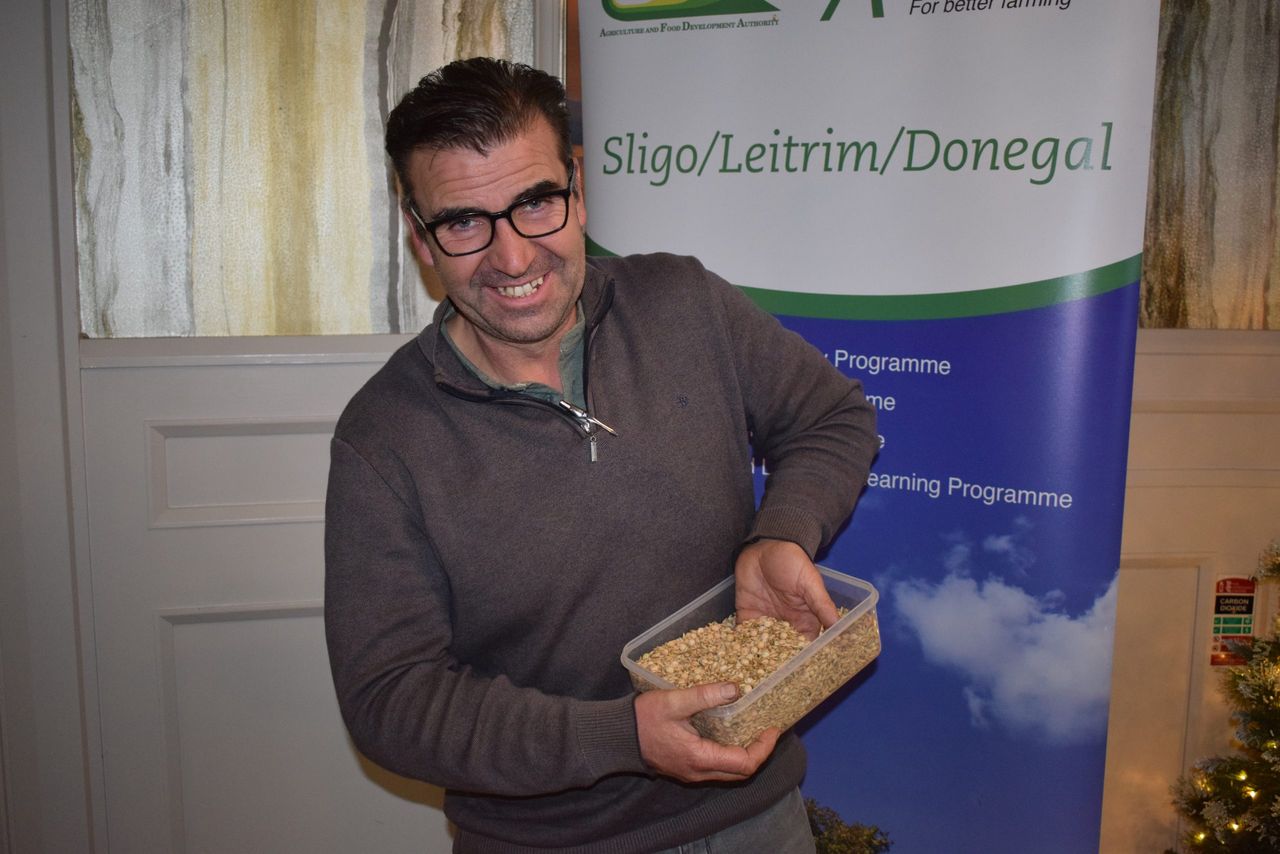
The benefits to be secured in grasping new crop diversification opportunities were the focus of a Teagasc tillage meeting held in north Co. Donegal.
The backdrop to the event was the continuing commitment of growers in the county to two of the weakest performing cereal crops: spring and winter barley
Courtesy of his opening comments, Teagasc’s Martin McCullough confirmed that fast-rising input costs were eroding the margins secured by tillage farmers across the board.
Moreover, imported cereals now contributed to a highly significant proportion of the feeds used by Irish livestock farmers.
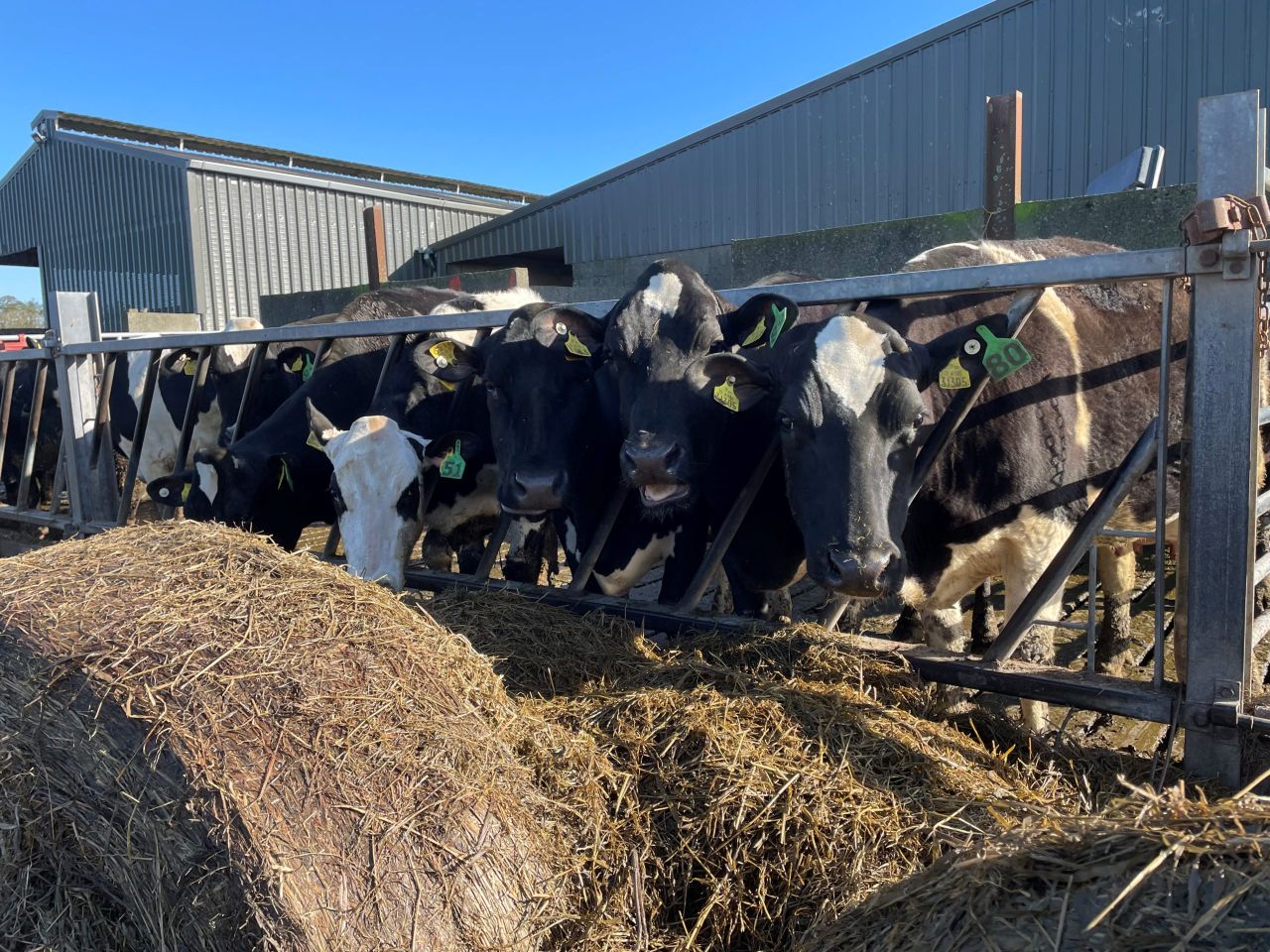
The opportunities for tillage farmers to look at crop diversification were viewed through the prism of a closer working relationship being developed between growers and livestock farmers, both dairy and beef.
And it is in this context that crops such as forage maize, whole crop cereals, and even high quality grass silage were discussed.
The fundamentals of the relationship that can be struck between tillage farmers and the livestock counterparts is based around the principle that dairy and milk producers need forages of the highest quality.
For their part, tillage farmers have the skill base, the resources and the skill set to make this happen.
Growers seeking to go down this route must follow two guiding principles: that they have guaranteed customers for the crops they grow while the agreed prices cover all costs and deliver an acceptable margin for the grower.
The principle of diversification was couched in the context of tillage farmers making best use of their land resources and the unique skill sets they have to offer.
Organic
Developing an organic farming enterprise was also profiled as a diversification option for tillage farmers. But it will not be for everyone.
Donald Logue farms outside the village of Muff. The family business was transitioned to organic just prior to Covid.
Initially, the plan was to grow vegetables. However, over a period of time the focus shifted to spring ‘combi-cropping’.
Logue now grows 40ac of a mixed crop each year, comprising barley, oats, and peas.
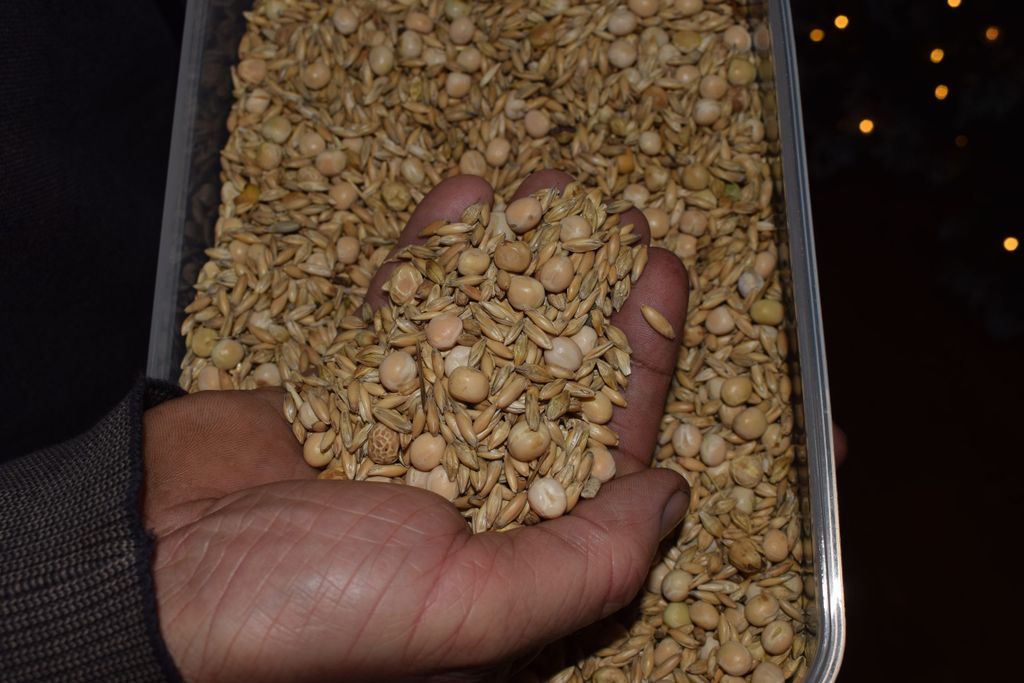
He explained to the Teagasc meeting: “I plant out the crop mixing using a single pass during April. The ratio is 40% barley, 30% oats, and 30% peas.
“Weather permitting, the combine is in the fields during the months of September.
“The harvested crop is dried and milled on a contract basis. The final grain mix will have peas at a moisture content of 15% with the cereal components averaging around 12%.”
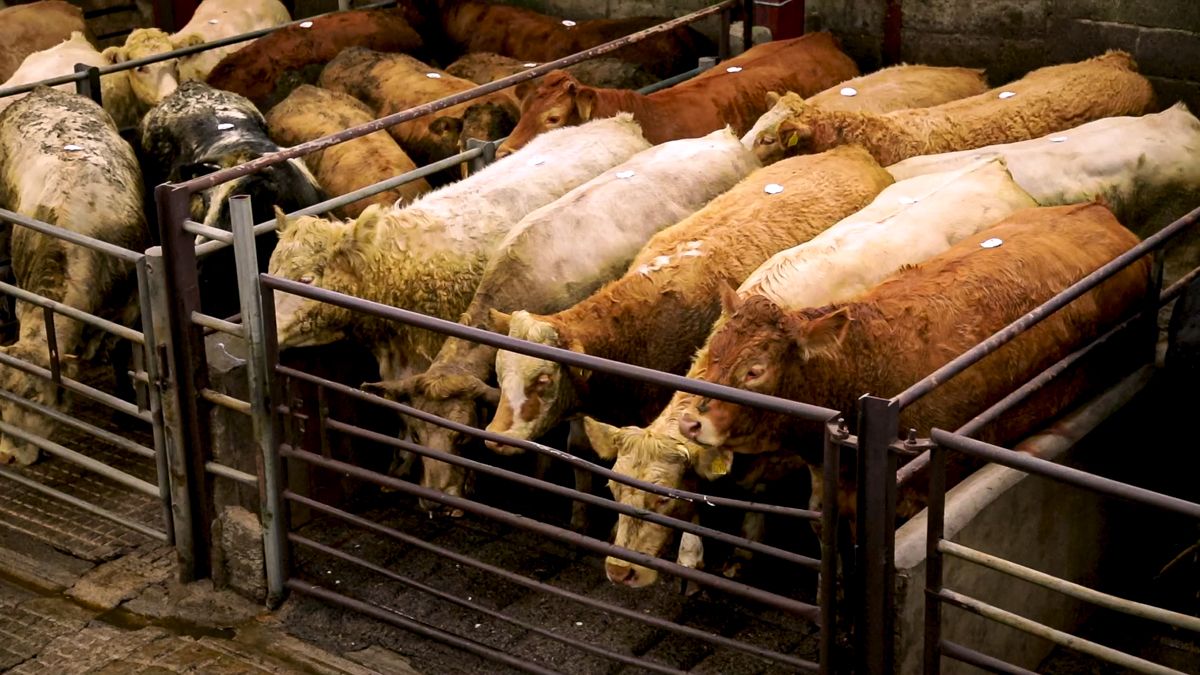
Logue is achieving saleable yields of between 1.1-1.2t/ac. He sells the certified organic mixed ration to local beef and sheep farmers.
“Demand is extremely strong. The average sale price is working out at €650/t.
"Set against figure are my costs, which work out at around €150/t," he explained.
On the issue of input costs, the attending growers were reminded of the value represented by organic manures for all tillage farmers.
Currently, cattle slurry at 6% dry matter has a commercial value of €33/1,000 gallons. The equivalent figure for pig slurry is €40.
Meanwhile, farmyard manure has a commercial fertiliser value of €13/t.