What are the benefits of feeding hay to cows and calves?

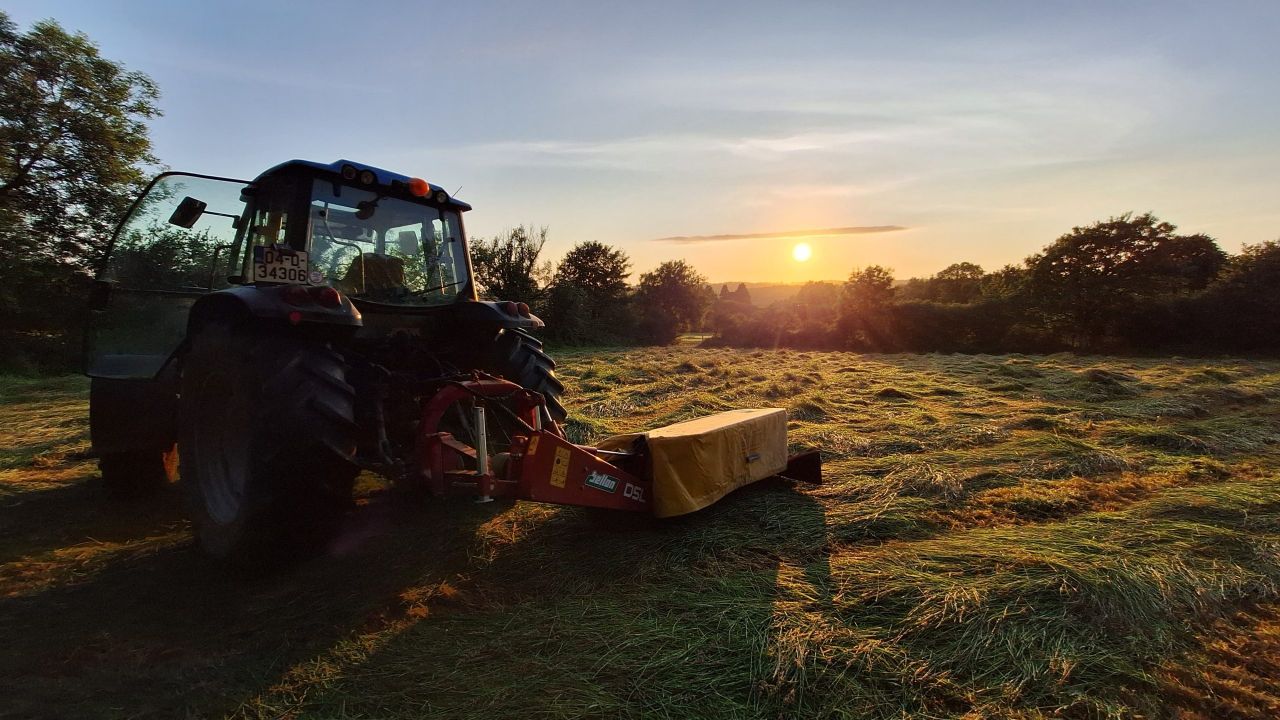
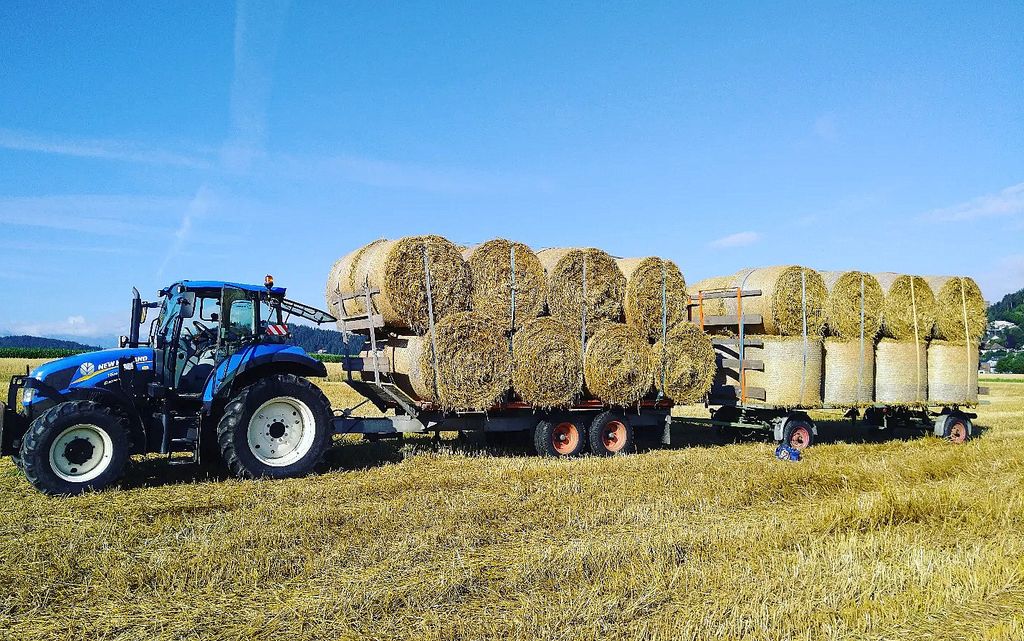
Many farmers took the chance to make hay bales while the sun shone during the recent heatwave, which was officially declared after five days above 25℃.
Hay can act as highly beneficial feed for livestock due to its high palatability and very high fibre levels compared to grazing grass or silage.
Fibre is measured as Neutral Detergent Fibre and should contribute about 32-36% of dry matter (DM) according to Teagasc.
Rumen function is reliant on fibre and low intake of fibre can result in acidosis or rumen displacement.
Mitigating milk fever risk
Where forage feeds are high in potassium (K) such as silage and lush pasture, it can reduce the calcium mobilisation efficiency and can result in cows presenting with sub-clinical milk fever from up to 10 days before calving.
The silage for autumn calvers, if housed indoors for the dry period, should be tested to ensure K levels are below 2.2%, as feeding silage high in K in the final four weeks of gestation can exacerbate potential milk fever risk.
If dry cows are grazing during the summer months, autumn calvers are at risk of developing sub-clinical milk fever due to the presence of high K in lush swards, especially where slurry has been spread recently.
According to the Irish Grassland Society, cows' intake of K should be 1.8% of diet DM.
Having adequate hay reserves will enable a farmer to feed low K forages to balance the diet.
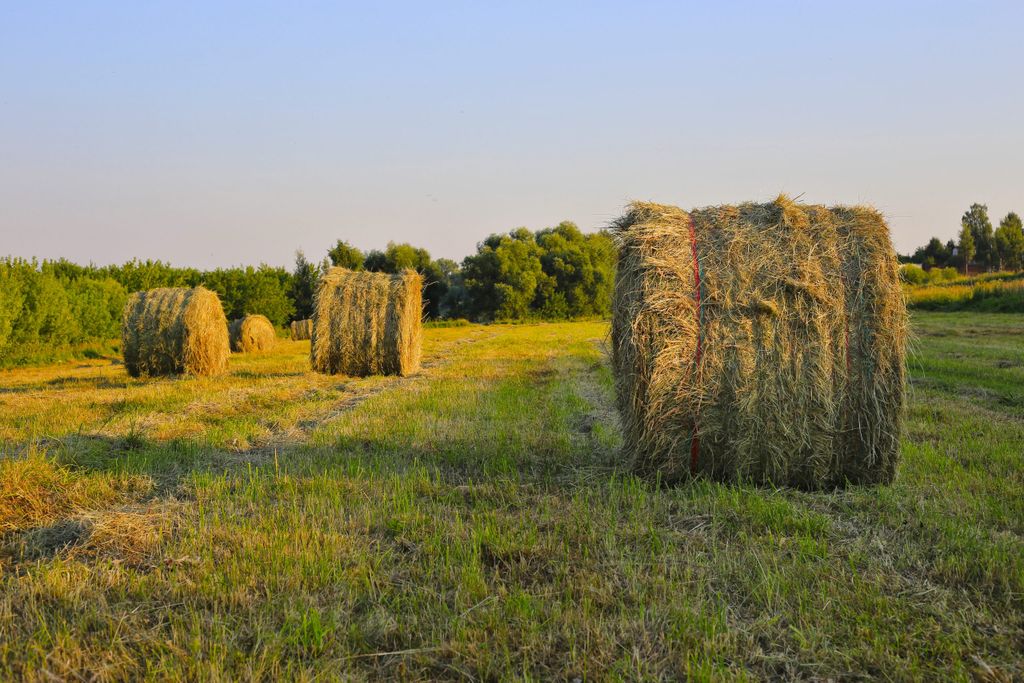
Traditional hay meadows that receive minimal slurry applications and little to no K fertiliser are excellent dry cow feeds.
Straw will have a similar impact to hay, but the ability of farmers to produce hay on farm makes it a cheaper alternative.
Teagasc advises farmers to use hay with other forages as it may not alone contain the necessary protein and energy requirements for dairy cows in the dry period.
Calves
Calves can see significant benefits from consuming hay as well.
Hay helps the growth of the muscular layer of the rumen and maintain the health of the rumen lining through its abrasive effect (preventing papillae clumping together).
Hay can be introduced from three days-of-age and calves should be consuming roughage from two weeks-of-age.
Pot bellies (where over-consuming hay reduces concentrate intake) are often presented as the chief reason for opting for straw as opposed to hay as a roughage.
However, by avoiding over-feeding, farmers can successfully mitigate the risk of pot bellies developing.
Hay quality is essential, as calves cannot digest long-stemmed hay, which will reduce intake significantly as it takes longer to move through the rumen.
Studies show that feeding hay can boost average daily gain (ADG) significantly, compared to calves not receiving any roughage and in line with straw roughage.
A 2012 study found that ryegrass hay boosted ADG to 0.84kg in Holstein calves, compared to 0.72kg where no roughage was fed.
In addition, hay out-performed maize straw (ADG of 0.82) but was outperformed by barley straw (ADG of 0.88).
Teagasc noted that calves typically preferred hay to straw but both saw significant improvements in rumen development.
It also points to the possibility of calves on straw bedding that are also fed straw consuming contaminated bedding material if the feed supply is not sufficient.
Summer scour
Where calves are grazing rich leafy pastures, they are at increased risk of summer scour syndrome, a condition that results from calves consuming pasture with high levels of oils such as CLA (conjugated linoleic acid), sugars, and crude protein (>20%), which are hard for a developing rumen to digest.
Feeding hay or other roughage such as straw in conjunction with at least 1.5kgs concentrates can balance the diet and provide the necessary fibre required.