What are the alternatives for drought-stricken farms?

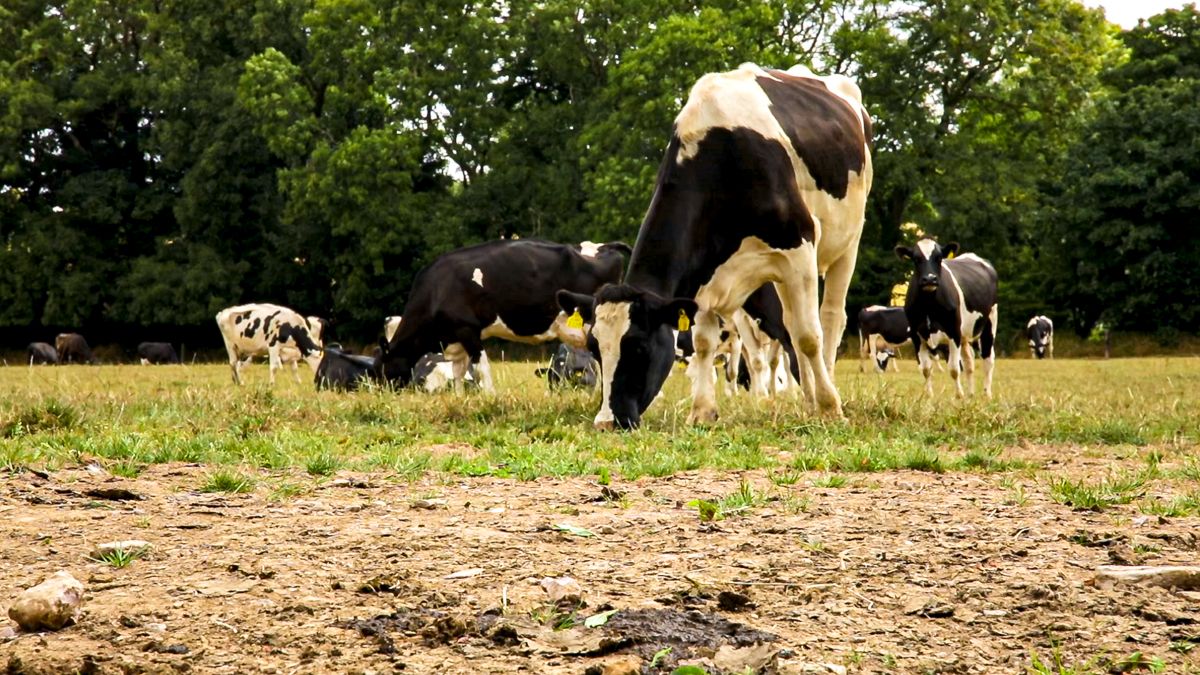
It is no secret that fodder is going to be short across the nation this winter, especially in drought-stricken areas along the south-east.
To make matters worse, our neighbours in the UK as well as western Europe have been hit with droughts just as hard and even harder than here, dramatically reducing the possibility of importing fodder.
So what options does that leave Irish farmers with to survive the winter?
Alternate crops
During the 2018 fodder crisis, many farms turned to growing crops such as westerwolds, which may be a viable option yet again.
Westerwolds is one of the fastest growing grass species on the market, producing a dense crop of silage just 12 weeks from sowing.
Farms should be looking at getting the crop planted themselves in the following weeks, or work out a contract with a tillage farm which may have fallow land over the winter.
As long as you avoid winter frost and temperatures are 5°C or higher, westerwolds should establish rapidly.
The crop can then baled or made into pit silage, or alternatively be zero grazed through the back end of the season, depending on trafficability.
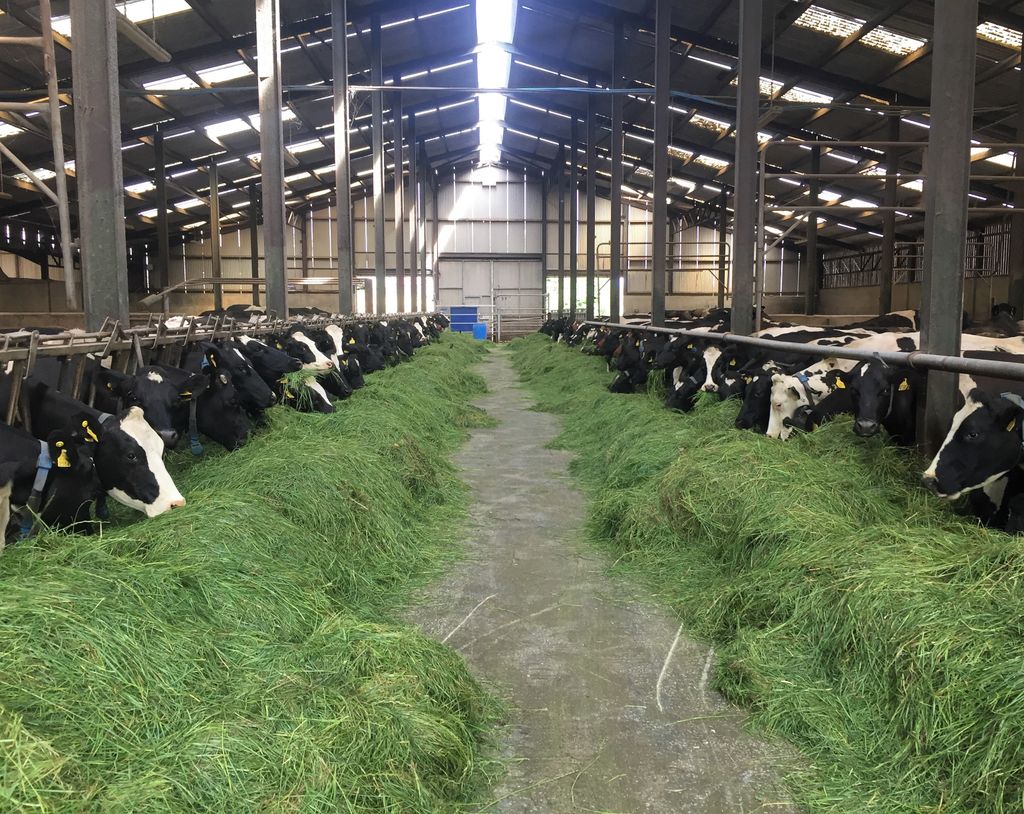
The crop can also be strip grazed in situ early next spring when conditions may not be ideal for rye grass.
If you are considering sowing westerwolds, the sowing rate is typically in or around the 36kg/ha mark, and farmers must be careful with fertiliser applications.
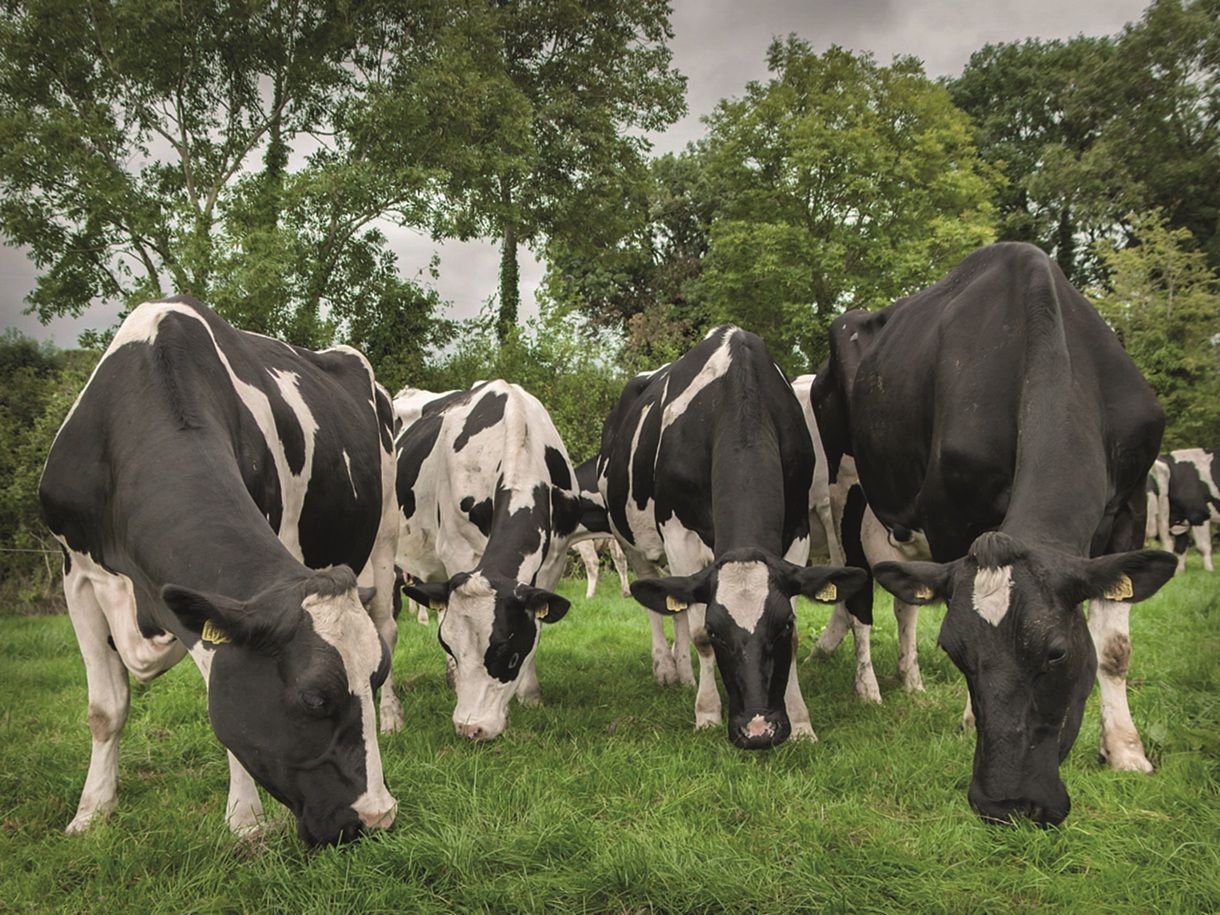
Another option may be Italian ryegrass, as it is known for being winter hardy.
If there is reseeding still to be done on farm, it may be worth doing a paddock or two of it as it will have better establishment in the spring, letting farms get out and off silage slightly earlier.
Fodder crops may be another option, although given the fact we are late into August, choices may be limited.
A crop that may work well at this time of the year is forage rape, as it is growing capabilities are strong.
Seeding at a rate of 3-4kg/ac can result in a return of 5t of dry matter per hectare, with protein values sitting in or around the 18-20% mark.
This crop may be more suitable for dry stock and weanlings rather than the milking herd, but either way fibre and minerals should also be supplemented.
If rape is an option for your farm, you must still be careful with site selection, only sowing in flat, free draining soils, where there is no threat to watercourses.
Additional measures
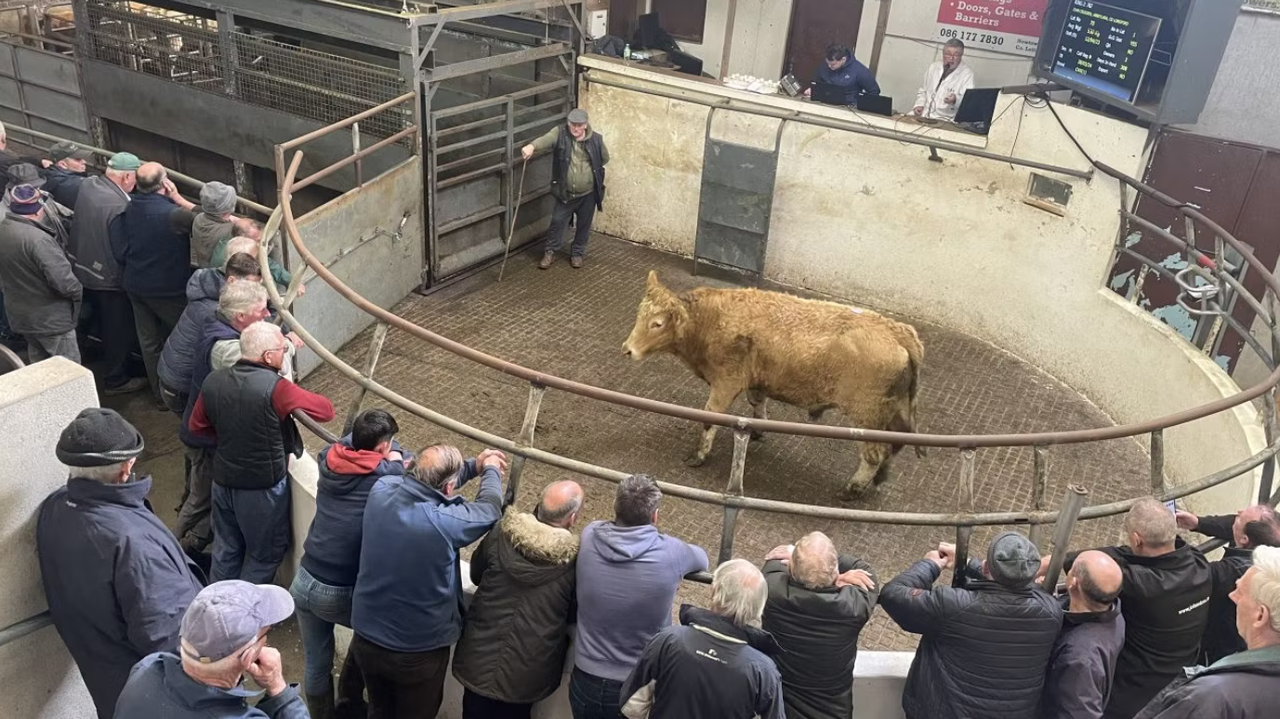
With the year we are having - between poor milk prices, high costs, and now a looming fodder crisis - offloading any cull cows sooner rather than later is realistically the best move at the minute.
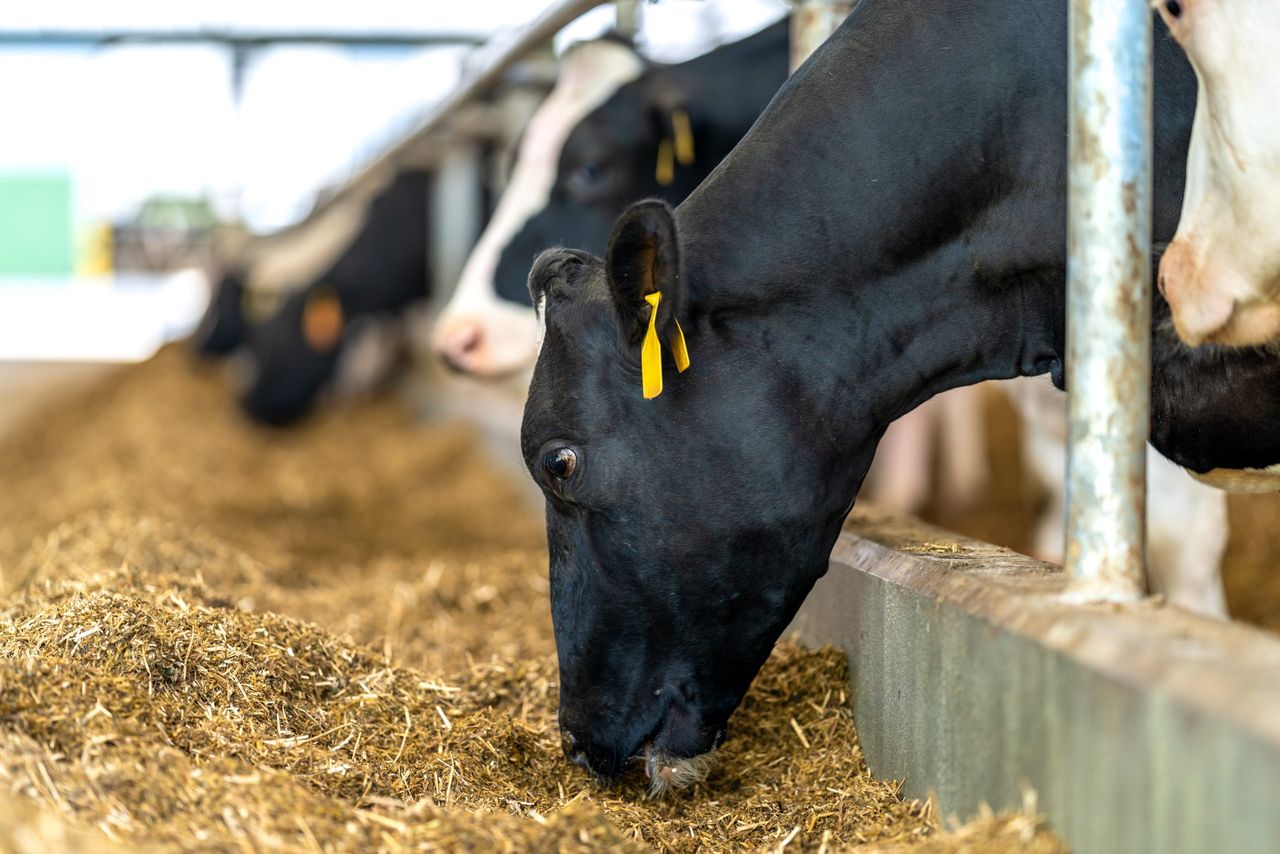
Any stock that you know will not be returning to the parlour is not adding any value to the farm, but they are consuming valuable feed.
Speaking during a recent webinar, Tirlán nutritionist, Brian Harte, noted that some farms may rather milk any cows not in calf right up until dry off, as they are some of the top producing cows.
But he noted that it may be worth looking at your own figures, and culling any poor performers now, even if they are in calf.
If a cow is only producing in or around 12L, they are just barely covering their feed cost, not to mention all the other costs.
If a farm can remove even just 10 low producing animals, 106 bales can be saved.
However, farms must be careful when it comes to issues such as nitrates and genetic loss.
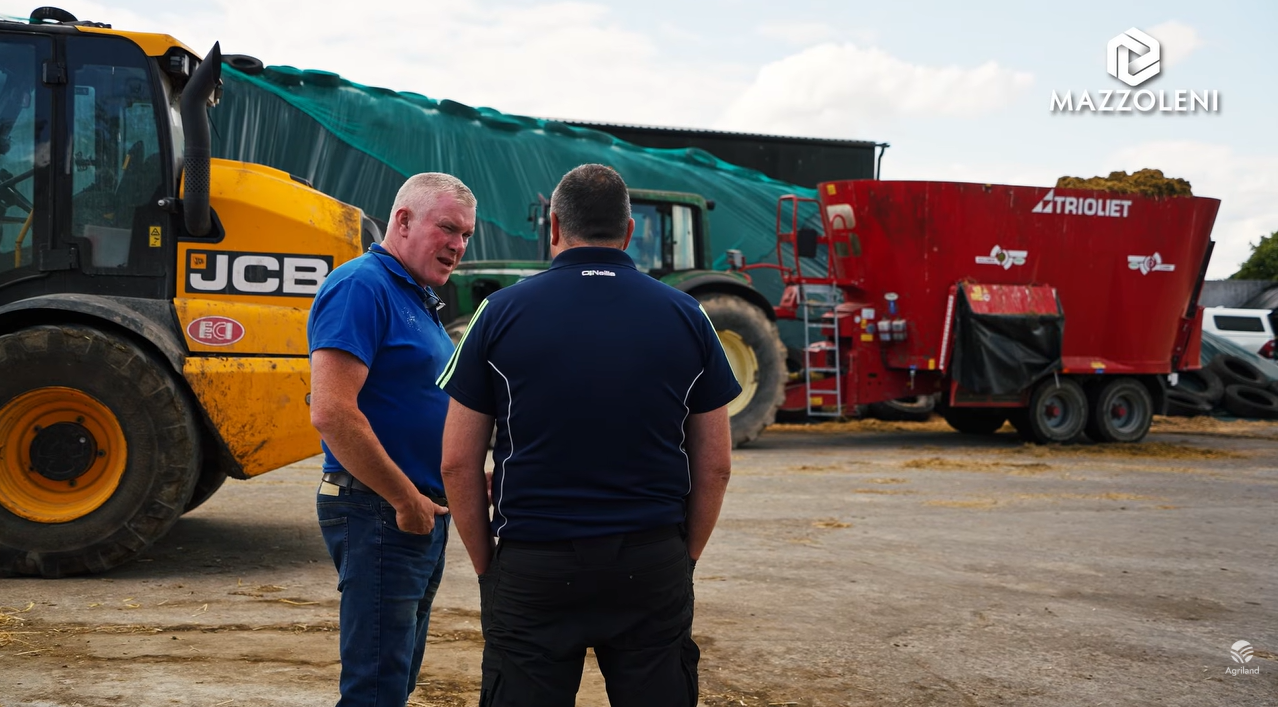
Harte also noted that altering the dry cow diet over the winter by adding 4.5kg of straw and 1.7kg of concentrates in with 5.8kg of silage, can save up to three bales per day, although a diet feeder will be required to get this diet right.
Harte did remind farmers not to dry cows off early in a panic, as there can be issues the following spring, and milk income will be gone while the cow is still eating silage.
Given the situation we are in, it is well worth drawing up a fodder budget to see where your winter reserves are, and speaking to a nutritionist to see what the best steps are for stretching that fodder.