Growers forecast €230/t as 2026 breakeven price for Irish cereals

The breakeven price for Irish cereals in the wake of Harvest 2026 will be €230/t, according to the Irish Grain Growers Group (IGGG).
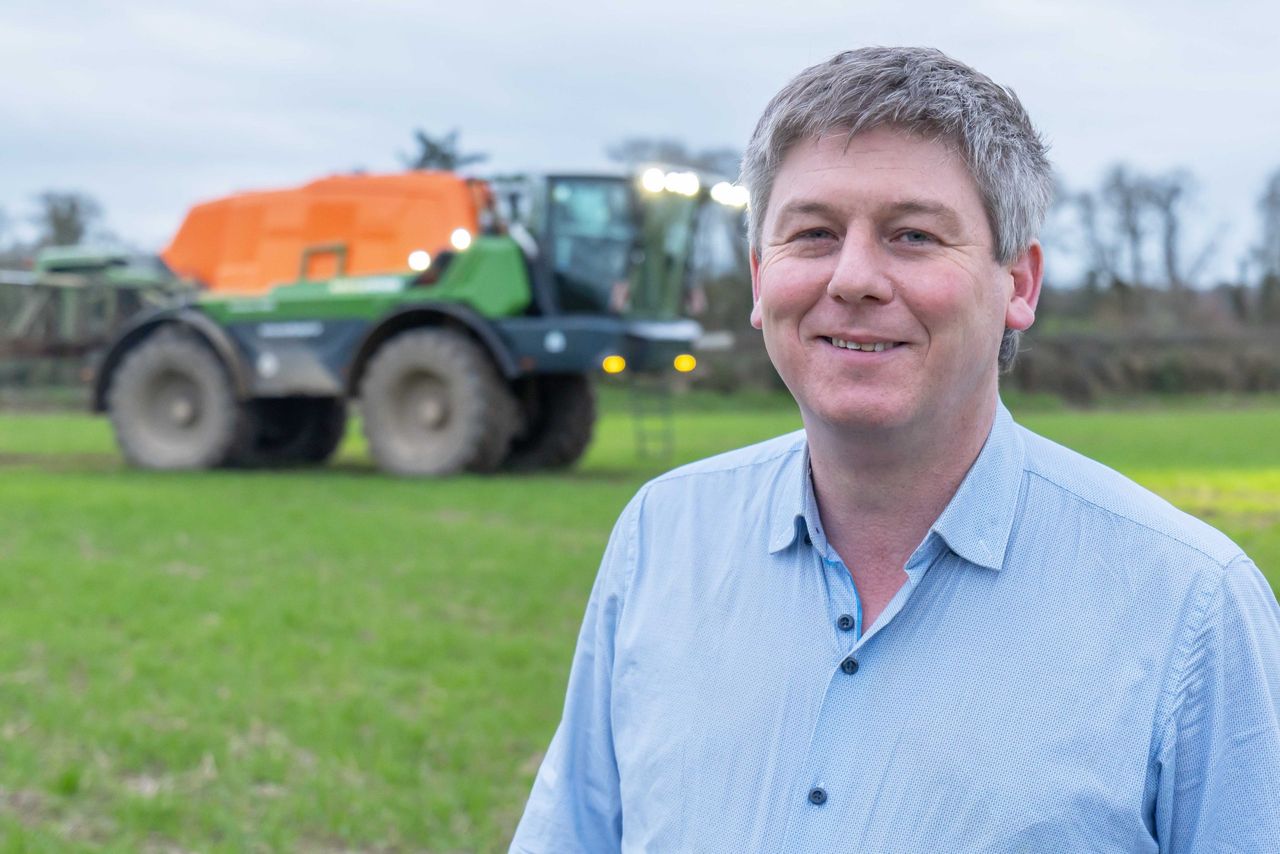
“And we are a full €30 below this price at the moment,” stressed the organisation’s secretary, Clive Carter.
“In fact, growers would need €250 to give them any confidence of investing in the future of their businesses.
“The 2025/2026 growing year has, again, seen a combination of poor yields and exceptionally high input costs impacting on the Ireland’s tillage sector.
"Growers are already expressing a significant level of frustration at the lack of upward movement in grain prices over recent weeks.
Carter highlighted that the UK and Europe have been badly hit by drought, while the conflict in Ukraine continues.
He said: “As a consequence, grain production is no longer a cheap option in any part of the world.
“And this reality must be reflected in Irish prices over the coming weeks.”
Budget 2027
Meanwhile, IGGG is hoping to meet the Tánaiste and Minister for Finance, Simon Harris in the run-up to Budget 2027.
This follows on from previous discussions with Minister for Agriculture, Food and the Marine, Martin Heydon and officials from his department on the budget.
At the heart of the organisation’s Budget 2027 submission to government is a call for the introduction of a 10% taxation levy on all grains coming into Ireland.
IGGG is also lobbying all stakeholder groups across the farming and food sector to support a bespoke scheme that will incentivise the greater use of native grains within Irish livestock rations.
IGGG members strongly believe that the proactive marketing of Irish foods specifically produced with a strong focus on native grains would quickly secure a premium return for these products.
Carter said: “Even the smallest of a premium paid for milk meat and eggs produced with a strong inclusion of native grains would translate into a significant and positive difference in terms of the prices received by Irish tillage farmers.”
Meanwhile, the IGGG secretary believes that Ireland’s ongoing presidency of the EU gives Dublin an opportunity to influence the outcome of the ongoing Common Agricultural Policy (CAP) reform negotiations.
He said: “There are positives that can be secured for the tillage sector from the new CAP.
“But finding the monies required to make this happen is the challenge.
"This is why it is so important to ensure that national financing can be allowed to complement core CAP funding made available by Brussels in the most effective way possible.”