Watch: Top tips for efficient winter breeding

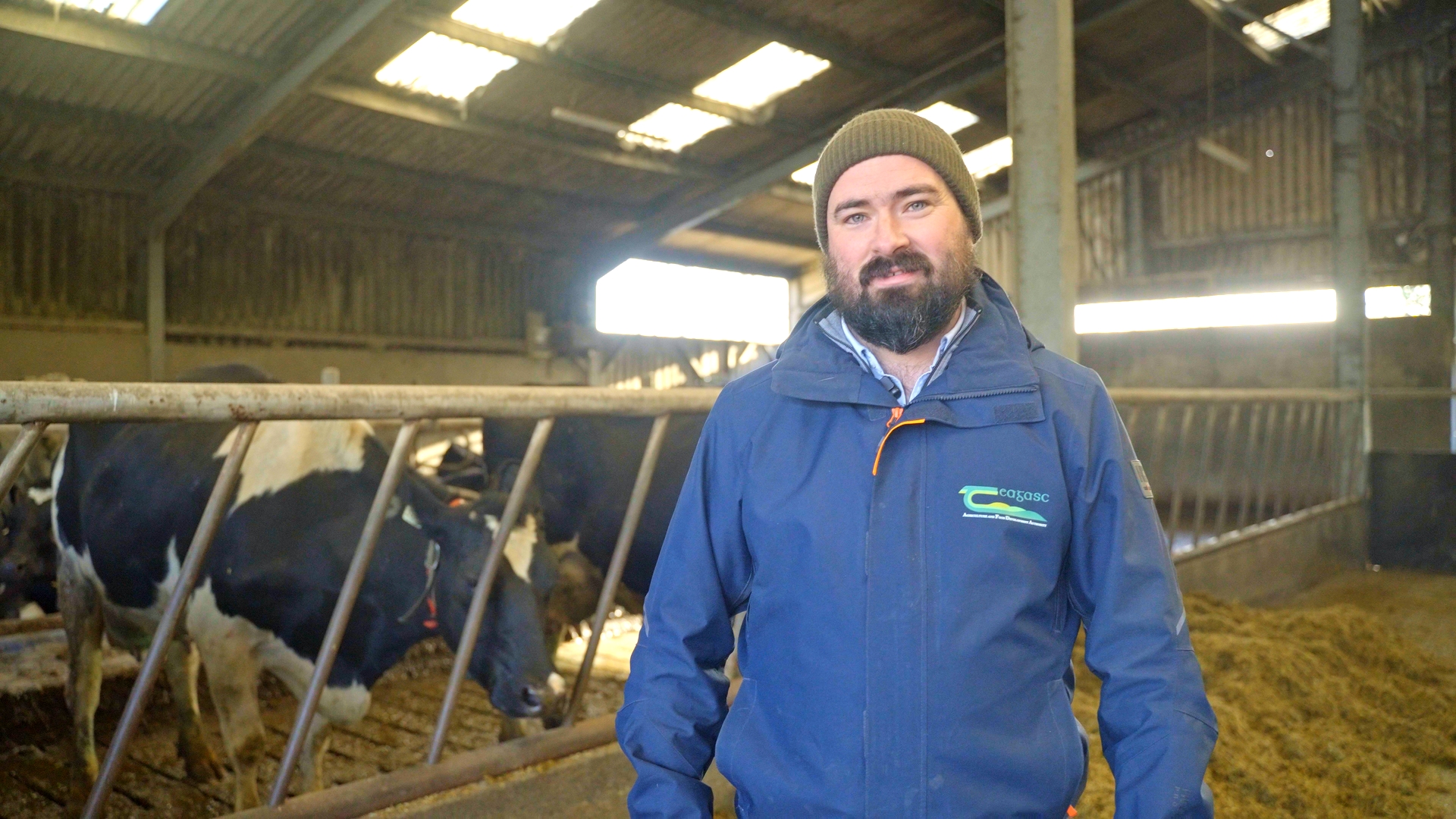
Ahead of the winter breeding season, Agriland caught up with Teagasc dairy specialist, James Dunne, to hear his top tips for an efficient breeding season.
Dunne, who is also Teagasc's winter milk specialist, stressed how important it is to figure out how many cows you actually need to fulfil your liquid milk contract before diving into breeding.
He also highlighted the importance of sitting down and spending time picking a bull team, which he referred to as "probably one of the single biggest decisions you will make".
Dunne said though this decision has the longest impact of any made on the farm, many farmers spend the least amount of time on the task.
Top breeding tips
Firstly liquid-milk suppliers need to look at their own contract and work out how many cows and heifers are required to meet the contract efficiently.
Dunne said meeting contract with fresh autumn calvers is far more efficient than relying on late spring calvers to fill the contract, stating that the freshly calved cow feeds into milk much more efficiently.
However, he added that grossly oversupplying your contract is also inefficient, due to the additional costs associated with producing milk over the winter months.
Calving spread
Dunne said figuring out the 'calving spread' should be the next task at hand once farmers have calculated how many fresh calvers they need.
This means looking at how heavy your contract is and deciding when you need to begin calving, with Dunne stating that most farms will not need to start calving before early October, and have a 10-11 week calving spread there after.
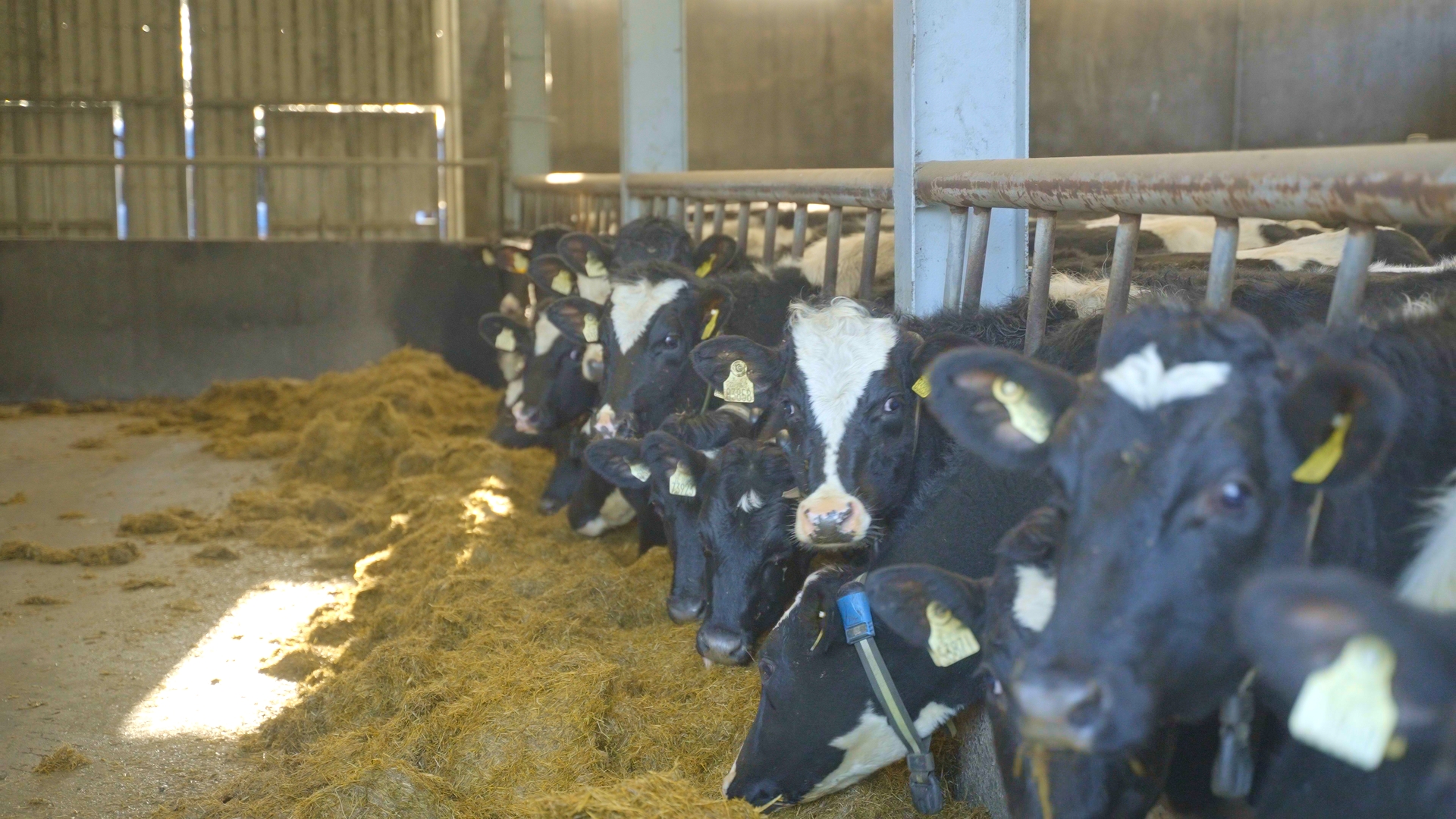
The dairy specialist said having a clear definition between the two calving blocks is important for efficiency and labour, recommending that farmers set up so "when you are calving cows you are calving cows, and when you are breeding cows you are breeding cows".
Dairy semen
The next step is deciding what cows are going to get dairy semen.
For example, heifers should be synchronised and served to dairy semen as they should have the highest genetic merit.
After that, look at milk recording reports an your EBI to choose lactating cows to breed with dairy semen to top up replacement numbers.
This data can also be used for picking animals to breed with dairy-beef and choosing which cows to cull.
Finally, you must choose your bull team based off your breeding objectives, such as fertility, production, and longevity.
Dunne said using tools such as sire advice or speaking to farm advisers is great for breeding.
He also highlighted that farmers can use the likes of the Johnstown herd as a benchmark when breeding.
Johnstown Castle
Johnstown Castle runs a heavily contracted system, therefore calving begins in September to meet the daily volume requirements.
The farm has no cows being recycled between seasons, with a strict 10-week breeding programme in place.
This means the farm's breeding season has already kicked off, with the manager having chosen bulls based on their fertility sub-index, milk sub-index, maintenance, and health.

Dunne said careful consideration over the years on strong milk sub-index, driven off high predicted transmitting abilities (PTAs) for fat and protein percentages have helped the farm push 6c/l more than the average liquid milk herd due to better milk constituents.
According to Dunne, that works out at €456 per cow, or €45,000 per the average 100-cow herd, which is a significant amount of money.
He said: "Winter milk suppliers need to focus on milk solid production driven through good fat and protein percentages, and combined fat and protein PTA rather than milk kg PTA, which is a poor predictor of total milk solids delivered."
The dairy specialist said striving for efficient production and capturing the liquid milk premium as well as milk solid bonuses is crucial in consistently delivering high farm margins.
Analysis has shown that the top 10% of winter milk producers based on net margin deliver higher kgs of milk solids off less purchased feed.
These herds had the highest genetic merit, excellent fertility performance and a clear focus on ensuring high levels of homegrown forage is utilised.