Watch: Selling Kerrygold in Mexico for more than 30 years

The Mexican consumer is seeking more "premium and higher value-added" products, which is helping Irish brand Kerrygold take prime place on shop shelves.
Speaking to Agriland as part of a EU-led trade mission to Mexico City, Ornua's commercial director of global ingredients, Seamus Greene said the EU-Mexico Free Trade Agreement (FTA) will have major benefits for EU exporters.
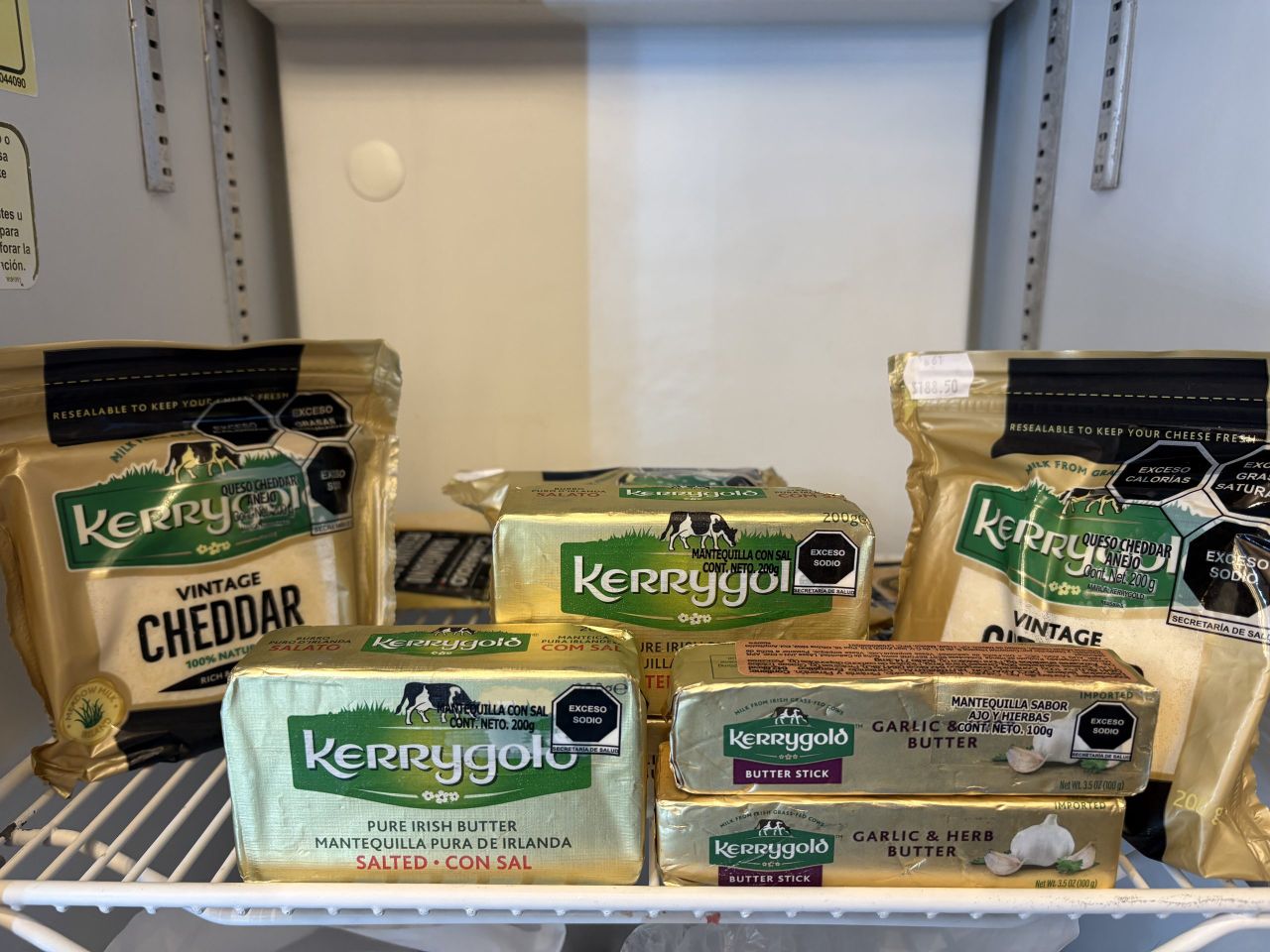
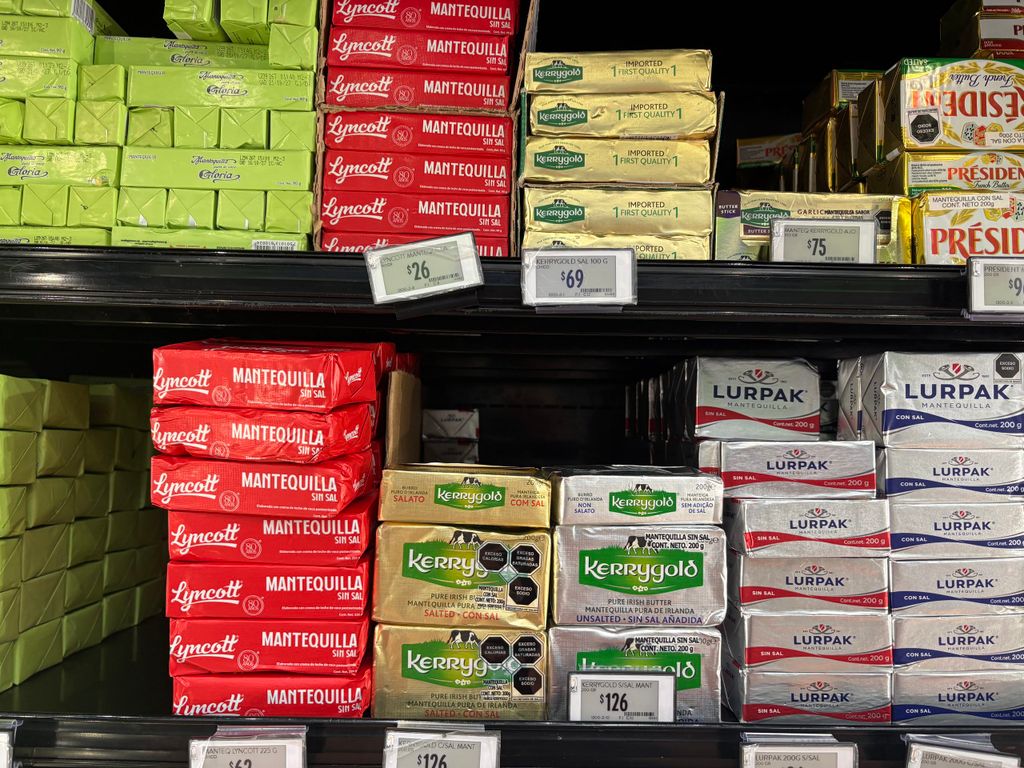
Ornua has been operating in the Mexican market for more than 30 years and its Kerrygold brand can be seen across supermarkets, including retail giant Walmart's refrigerator shelves in prime position.
The EU and Mexico have a strong, long-standing trade relationship, already worth €100 billion a year in goods and services.
The modernised Free Trade Agreement between the EU and Mexico, signed earlier this year and expected to be formally ratified soon, aims to make it easier to export and invest in each other's markets.
Among other things, the deal creates increased opportunities for the EU agricultural sector, considering that Mexico is a net food importer with high tariffs.
Under the new agreement, Mexico will protect 232 spirits and an additional 336 European Geographical Indications on wines, beers and food.
About 95% of tariffs will be eliminated as a result of the updated deal, meaning companies like Ornua will be able to operate more economically and it will be a more attractive market for other agri-food producers in Ireland.
Kerrygold and Ornua
Seamus Green of Ornua said the recent EU-Mexico business delegation trip was a major opportunity for the Irish brand.
"I think this is a great opportunity for us to drive the commercial and business development aspects of the new trade agreement that will be coming into force by the end of this year.
"For us at Ornua, we've been here about 35 years, so we have a longstanding presence in the market in one side of our business, but the new trade agreement creates a lot of other opportunities for us," he told Agriland.
The deal will provide for market access for Ornua's premium Irish value-add products such as Kerrygold butter and cheddar.
In terms of its existing business of ingredient proteins, the deal with Mexico allows the company to make the operations process more simple and streamlined with more defined clarity.
In terms of the Mexican market, Green said: "It's fascinating because Mexico is so underrated. It's actually the second biggest importer of dairy products in the world, behind China.
"The Irish dairy trade with Mexico is the same as what it is with Canada and Canada gets a much greater profile.
"So the Mexican consumer, [who] are getting more and more discernible and differentiating as the standard of living improved, are seeking much more premium and higher value-add products," he added.
In terms of the potential for future investment by Irish agri-food exporters, the Ornua representative explained that Mexico is only 70-75% self sufficient.
"So they'll be importing a significant volume of dairy products into the country. And it's clear that they are very dependent on their next near neighbour in the United States and they [the US] will supply a lot of their commodity type products," Greene continued.
"But the opportunity for us here is to have a more level playing field for Irish ingredients into Mexico.
"The agreement will mean that practically 95% of the import duties will be removed which creates a great opportunity for us to supply a growing need for premium Irish dairy within the market."
Standards across both Mexico and Ireland
During the EU business delegation to Mexico, it became apparent that the Mexican market has high standards when it comes to imported food quality.
Greene said: "Not only do they value long-term sustainable relations, but they also have very high standards when it comes to food quality.
"Obviously a lot of this will have to be underpinned by the help and sanitary certificates that exist on both sides - the import and export.
"But even from our long experience with Ornua over the 35 years [in Mexico], the customers we send our Irish ingredients in to, are using [those] as critical components within their own food products that they are selling then into the Mexican consumers and Mexican food service.
"They have to stand over the quality and provenance of those products."
As a result, Irish products and ingredients are critical to this food supply chain.