Watch: New mobile machine solving slurry-related issues on Cavan farms

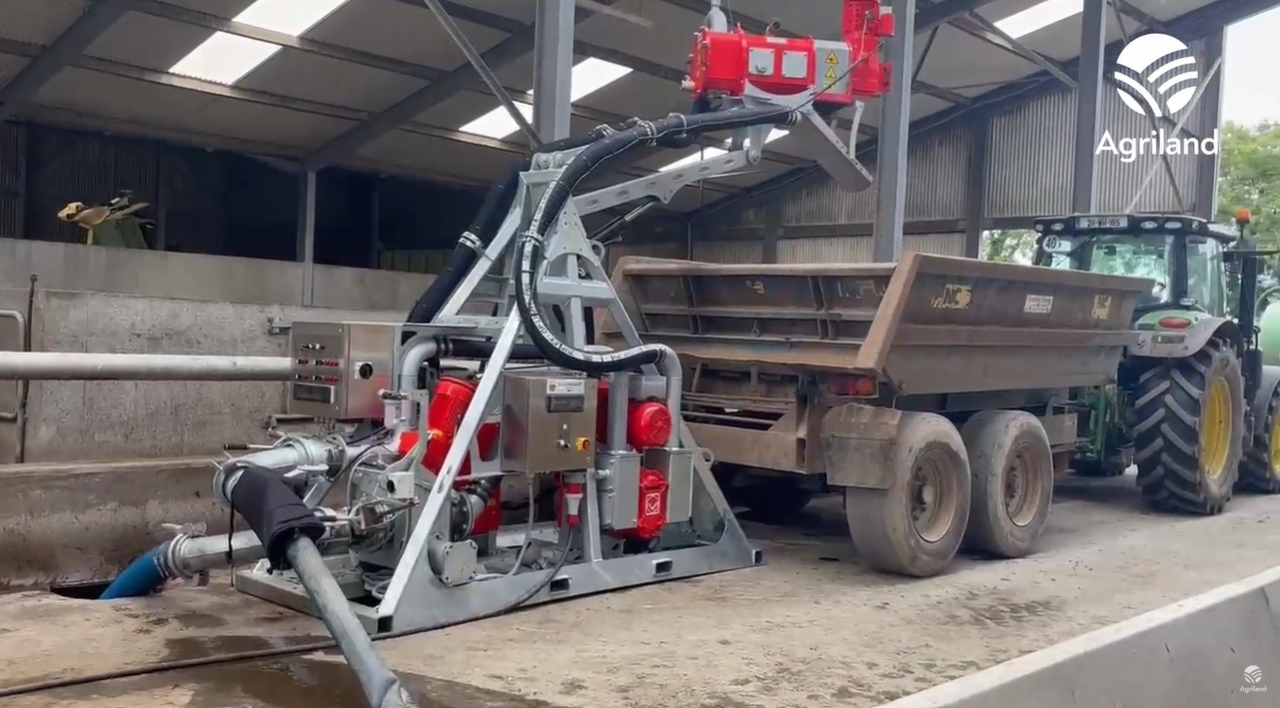
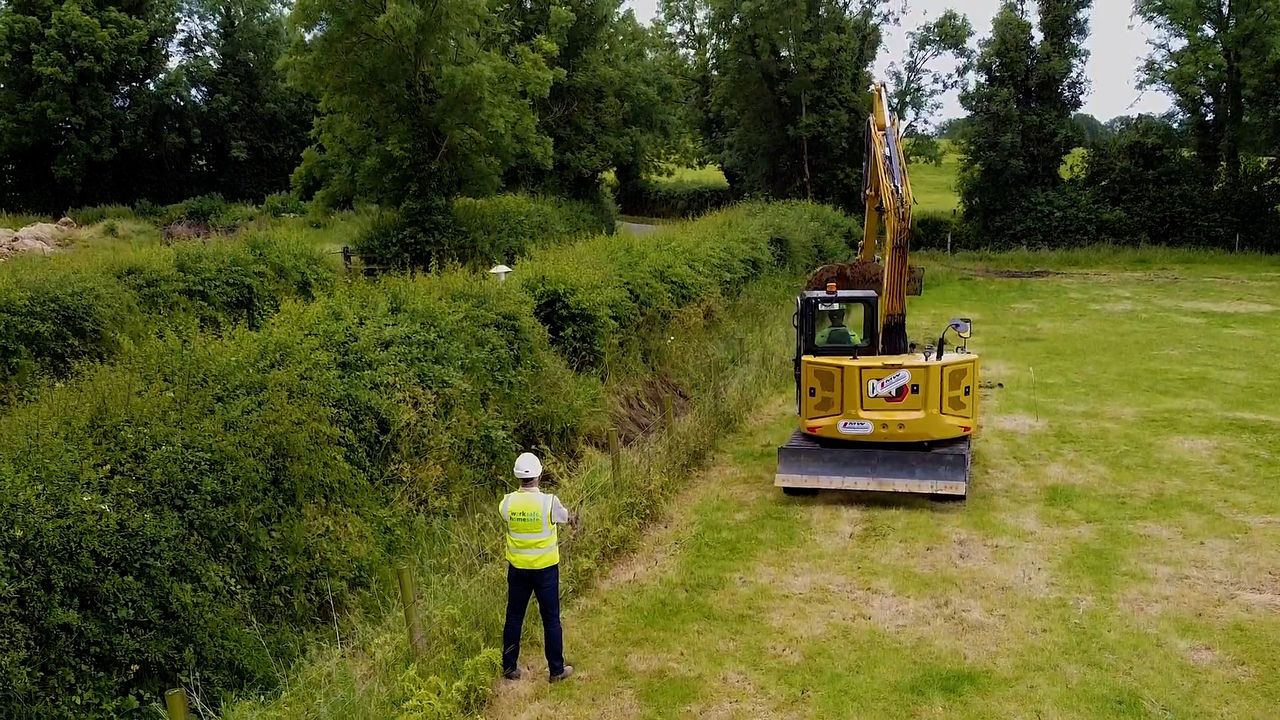
A new mobile machine designed to help solve many of the issues relating to slurry management was showcased on a farm in Co. Cavan last week.
The machine is a slurry separator unit and was showcased at the launch of the Slurry Solutions (Ssuper) European Innovation Partnership (EIP), which took place on Friday (June 26) on the dairy farm of Gerard O’Reilly, chair of Cavan Irish Creamery Milk Suppliers' Association (ICMSA).
The Ssuper EIP is a new farmer-led project aiming to address challenges associated with slurry management on farms.
The project has been awarded €1.7 million in funding by the EU and the Department of Agriculture, Food and the Marine (DAFM) to carry out on-farm trials in slurry separation, inoculation and evaluation to support the regeneration of soils and improve water quality.
Some of the key challenges with slurry on farms include storage, agitation, and application.
Speaking to Agriland at the launch event, agricultural technical consultant at Vogelsang Ireland, David Whelehan explained that the unit is a mobile slurry separation init.
He said that the machine (featured in the video above) has the capacity to process 50m3/hr of slurry or approximately 11,700gal.
He said that the machine has a screen that removes all particles greater than 2mm in diameter.
After passing through the separator, slurry is split into two products - a homogenous liquid that can be spread on land and a compost-like solid material that can be spread on land with a rear-discharge dung spreader.
Whelehan said that slurry separation can increase tank storage capacity by up to 20%.
It also results in a separated liquid slurry that can be spread on land eliminating the slurry fibre that is traditionally seen on field spread with unseparated slurry.
Slurry management
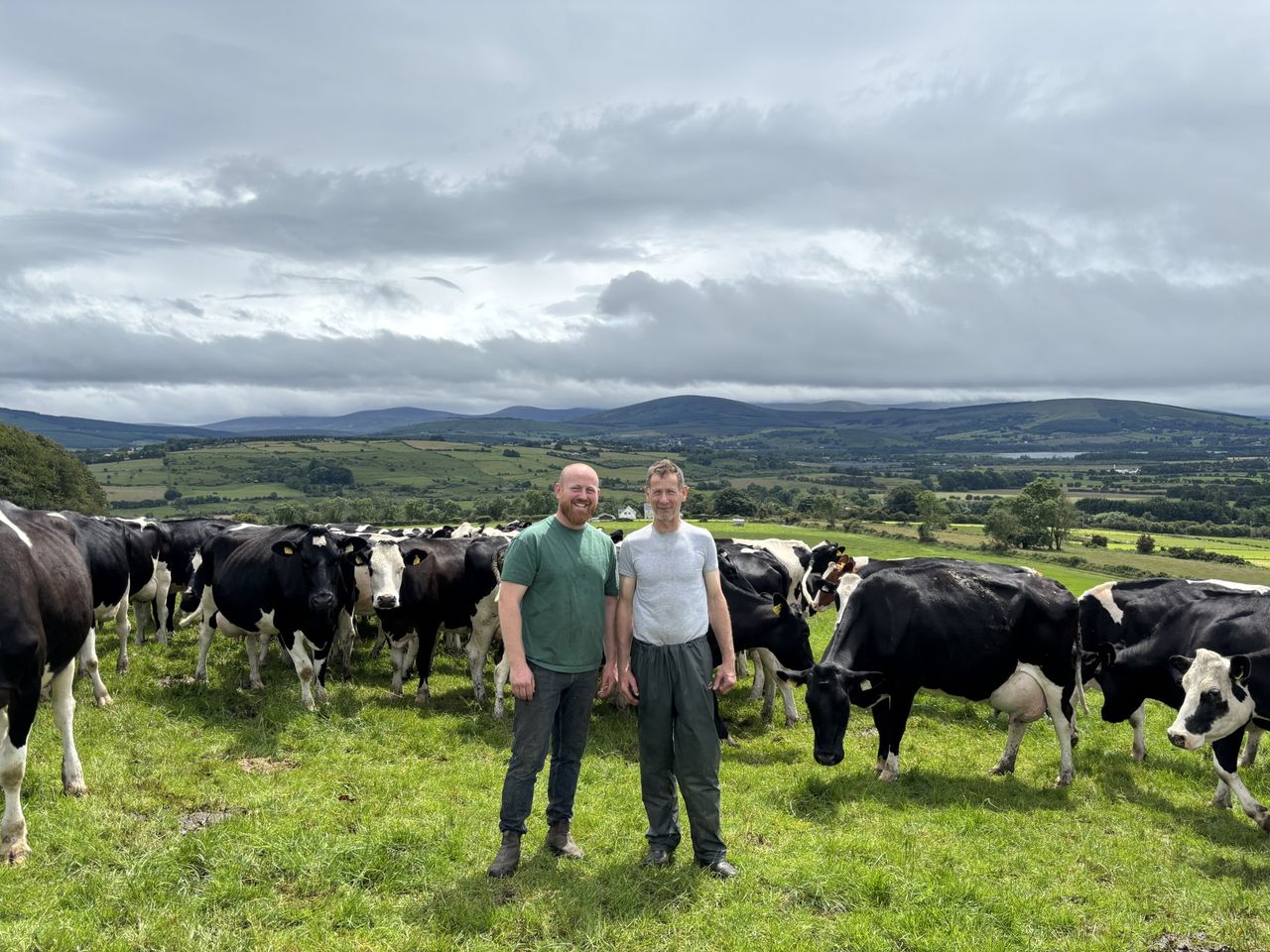
Dairy farmer Colm Smith was also present on the day. He said he has been separating slurry on his 100-cow farm for the past five years.
He believes the unit is beneficial on his farm because "you have a lot more use of your nutrients and you can go out with the liquid portion of the slurry and there's no caking on the ground when spreading in dry weather.
"The solids is like spreading peat moss," he said comparing the texture of the solid component of the separated slurry.
Ssuper EIP project manager Denise Moran said that slurry management has become a pressing concern for farmers, environmental regulators and local communities.
“This project represents a significant step toward a more sustainable, circular farming system.
"By addressing the slurry issue through separation and remediation, we aim to restore soil health and alleviate storage issues whilst reducing emissions, improving water quality and empowering farmers with practical solutions," she said.
The project team has already begun their education programme with participating farmers and will commence on-farm slurry separation this year.