Watch: Brickley on why Fleckviehs are a desirable option

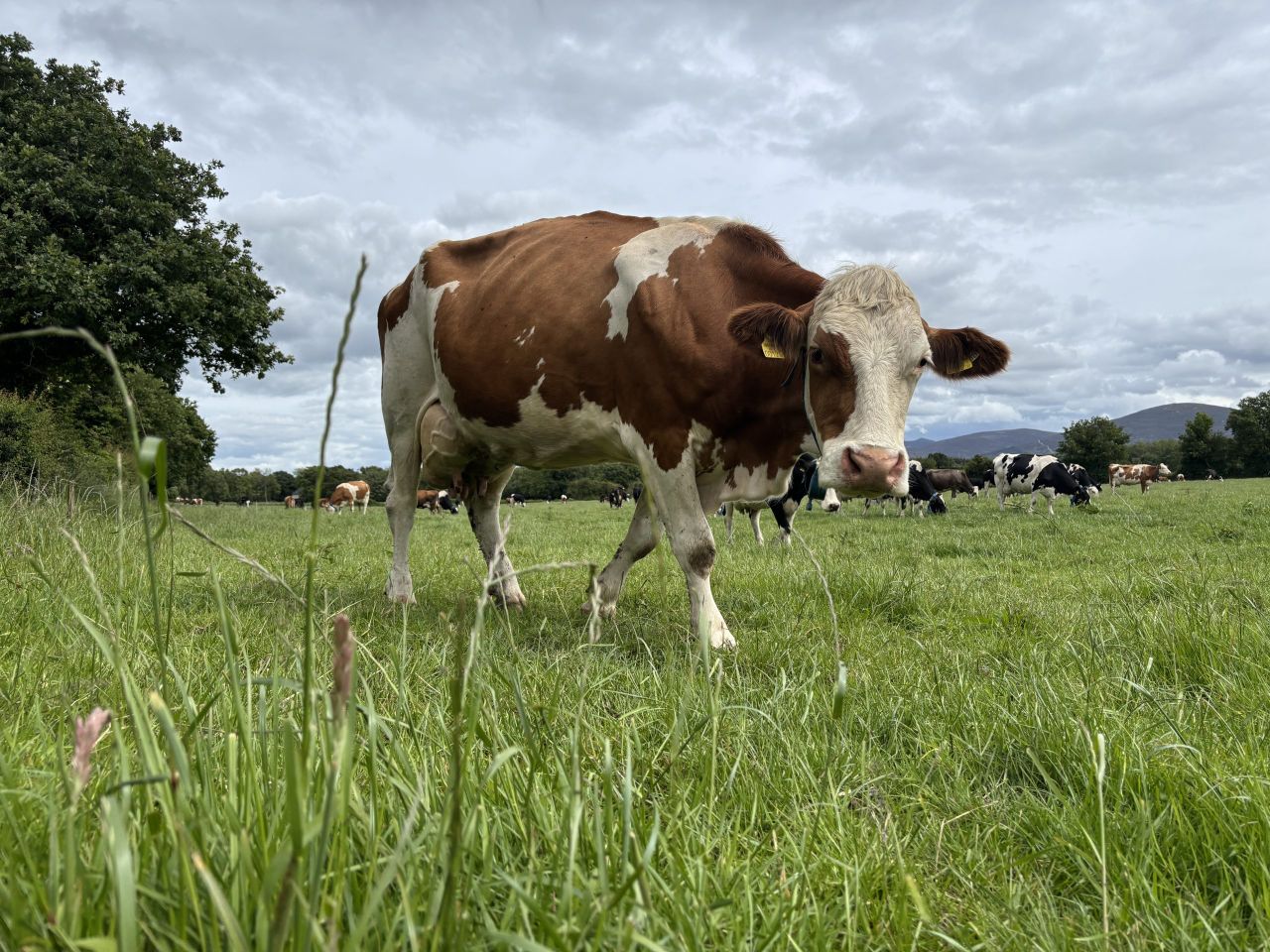
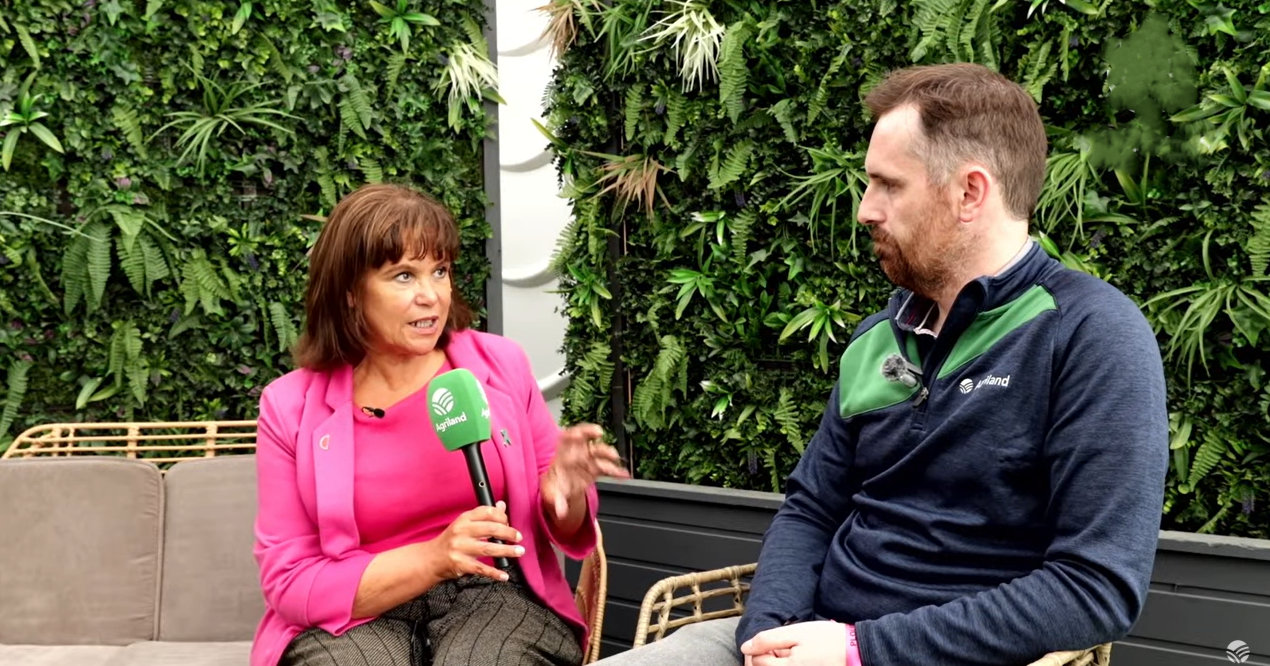
Agriland caught up with Gerard Brickley, owner of Celtic Sires to hear how the uptake of Fleckvieh semen is looking in Ireland.
Gerard and his wife Angela imported their first pedigree Fleckvieh cows from Austria back in 2016 for their own farm.
The import came after months of research into the animals, as well as visits to Austrian farmers dairying with the breed.
The import then quickly snowballed into the couple starting up their own business, Celtic Sires, which now imports and distributes sexed semen nationally.
Fleckvieh
Brickley spoke on the traits of the herd which are making them a desirable option in Ireland and driving semen sales over the last few years.
He noted that farms incorporating Fleckvieh genetics into the herd are not experiencing any drop in milk, but rather an increase.
When speaking about the breed's milk yield, he said "They would be somewhere between a British Friesian and Holstein, closer to the out-out Holstein."
The Co. Laois man said that you will get a "much stronger animal" from the Fleckvieh genes, stating that they are not necessarily bigger, but they do hold their flesh better.
Another trait seen with the Fleckviehs is their yield pattern, the breed will not have as high a peak milk yield early in the lactation when compared to black-and-white cows, but they will hold a flat yield through mid-lactation and into late lactation.
Brickley said that this takes the pressure off freshly calved cows in the spring, and ultimately improves the breed's health traits.
A double in the calves
Brickley highlighted how "there's a double in the calves", which is drawing attraction to the breed in years such as 2026 where calf prices are strong.
He said you have a stronger cow which gives a stronger calf as it is, and when it comes to beef breeds such as Charolais and Belgian Blues, farmers are seeing an extra €200-€300 at least in pure profit.
There is a market for the calves in Ireland, with farms dairying with Fleckviehs fining no trouble selling them.