US expert to address Teagasc seminar on farm safety
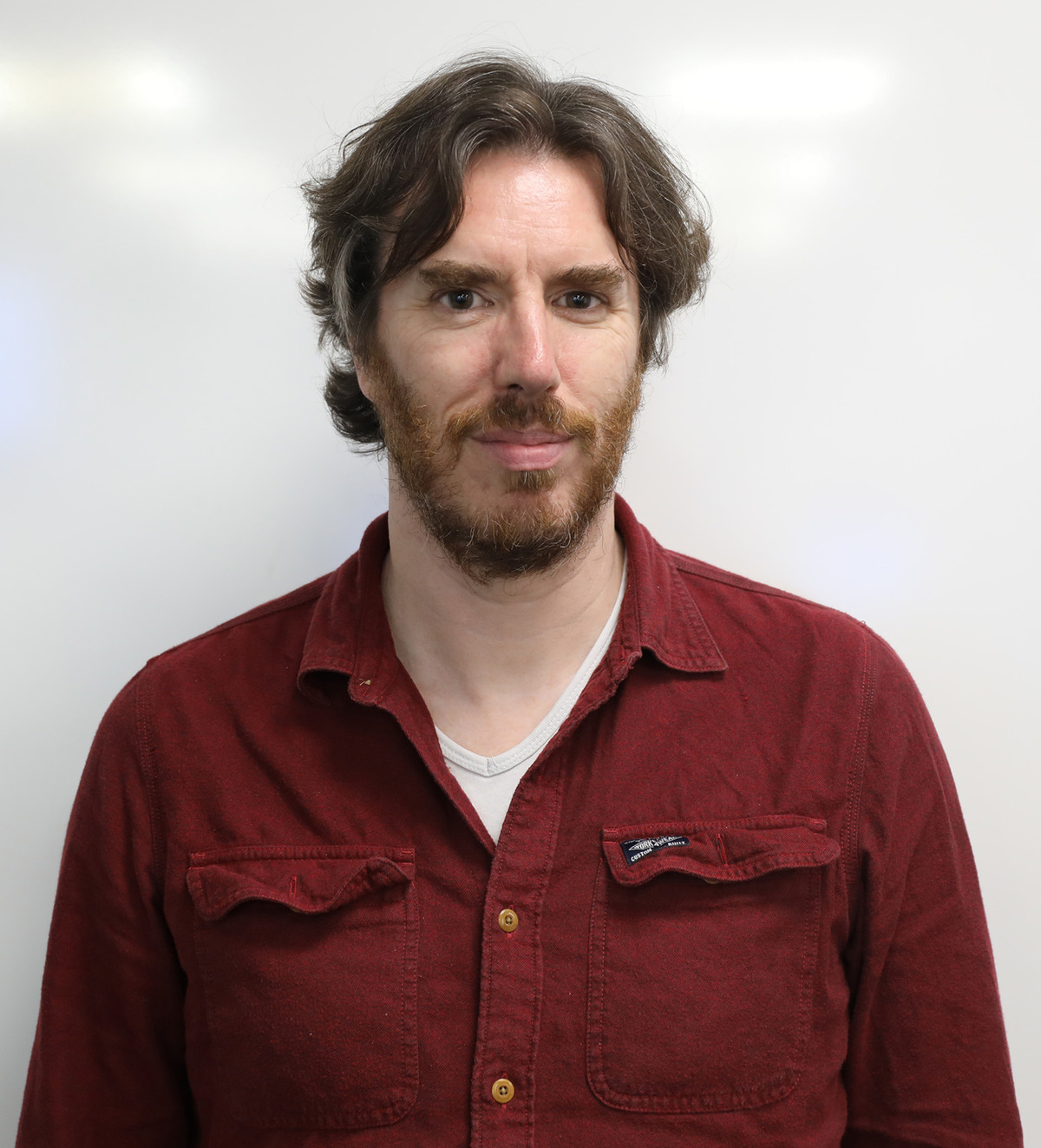
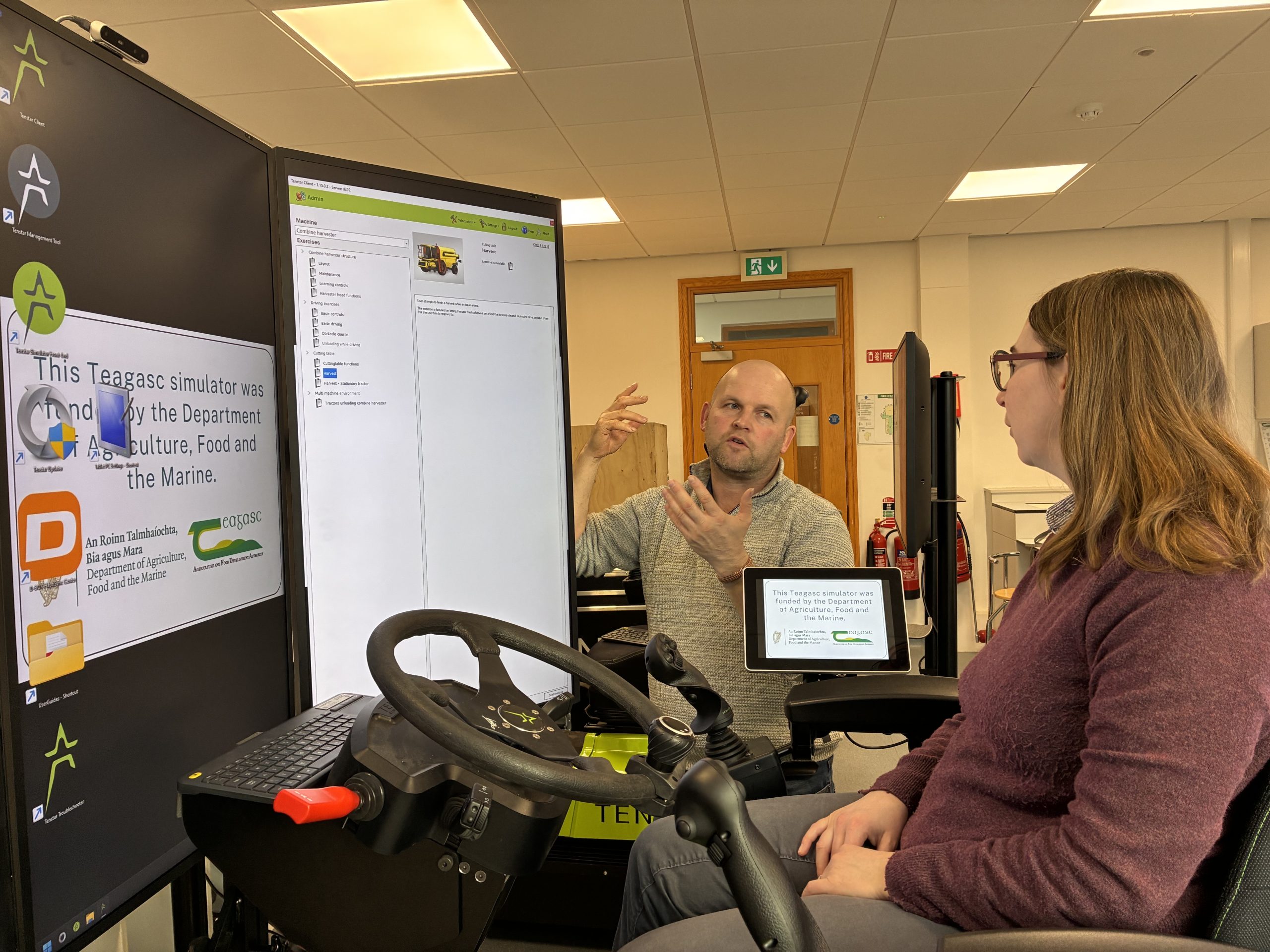
Teagasc will host a seminar tomorrow (Wednesday, December 17) on the subject of safety and the "farm risk paradox", featuring a US professor in agricultural safety and health.
The seminar will explore why high rates of farm injuries persist despite decades of research and safety awareness campaigns.
Prof. Florence Becot of Pennsylvania State University will present findings from recent research that highlights the need to broaden conventional approaches to farm safety outreach.
The seminar is titled 'Beyond Knowledge: Tackling structural barriers to farm safety through extension'.
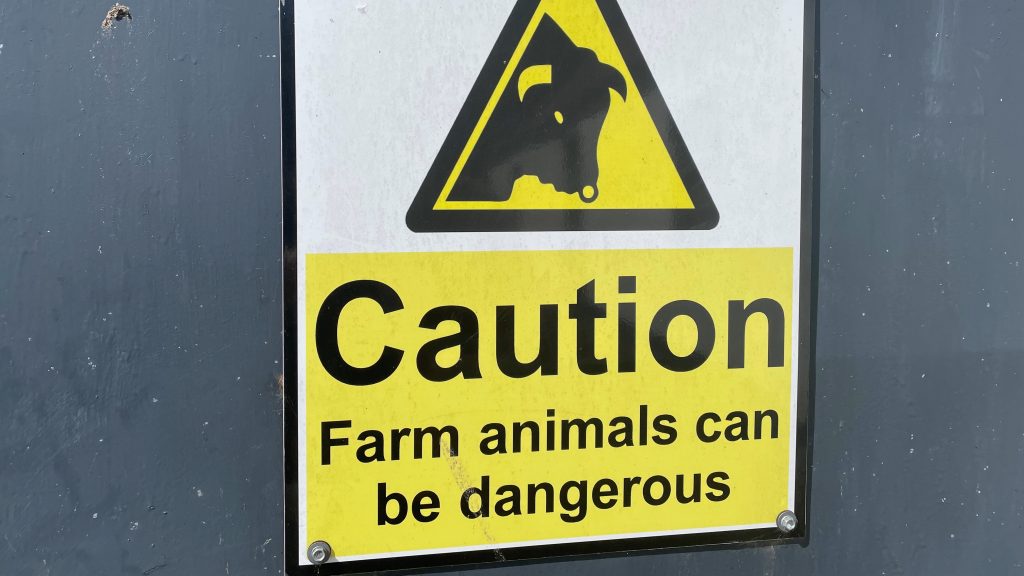
According to Teagasc, farm safety remains a critical concern on both sides of the Atlantic.
In Pennsylvania, the five-year fatality rate among farmers stands at 57 per 100,000 (2020-2024), compared to 10 per 100,000 in Ireland (2014-2016).
While Ireland's rate is lower, Dr. David Meredith of Teagasc cautions against complacency.
He said: "The number of fatalities so far this year exceeds the figures for the last few years."
The ‘farm risk-farm safety paradox’
Prof. Becot's research relates to the "farm risk-farm safety paradox" - the disconnect between farmers awareness, beliefs and practices surrounding risks.
Her needs assessment, involving surveys of farmers and workshops with advisers, found that farmers understand the dangers but face structural barriers to implementing safety measures.
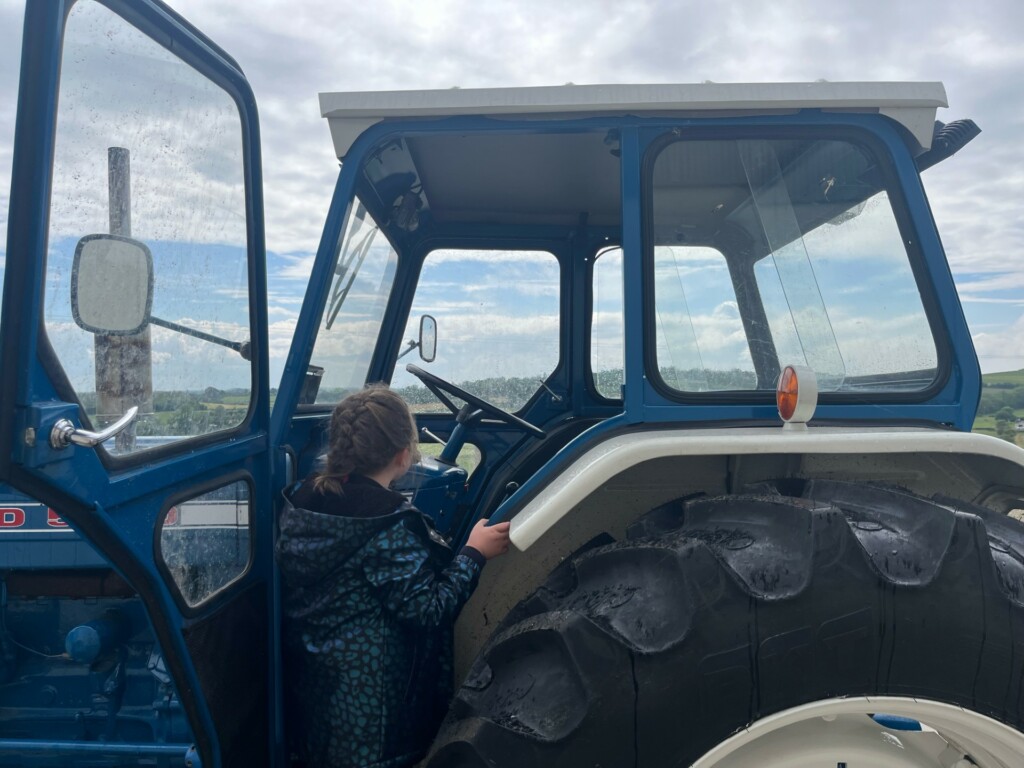
Most often, according to the professor, approaches to tackling hazards on the farm are focused on educating farmers about dangers.
Prof. Becot said: “We know from talking to farmers that the big challenge for them is time and money.
"If we can find ways to support them - for example, through grants or programmes that ease the purchase of equipment and technologies to remove known risks like deaths from tractor rollovers - this would be an important step forward."
Relevance to Irish agriculture
Speaking in advance of the seminar, Teagasc's Dr. Meredith highlighted key differences between Irish and US farming contexts.
He said: "The lower rate of fatalities in Ireland reflects a range of differences between Ireland and Pennsylvania.
“There are substantial differences in the age of tractors and equipment, and cultural differences too - for instance, the Amish community in Pennsylvania frequently do not use the latest technologies.
“In Ireland, the Department of Agriculture, Food and Marine dedicate substantial resources to supporting improvements on farms.
"Meanwhile, the farm worksite in the two countries is equally complex and most farms are operated by families.”
Despite the differences between the two countries, Prof. Becot notes strong similarities in farm safety challenges linked to the family farming nature of food production.
She said: "We see similar types of injuries and fatalities impacting farmers.
"Economic pressures mean there are similarities in farmers' ability to purchase newer and safer equipment, that could improve their health and safety."
A multi-actor approach
Prof. Becot emphasises the importance of multi-actor approaches in tackling farm safety challenges at multiple levels, ranging from the state and national policy level through to industry down to community and farm levels.
This means that structures are needed that bring together those groups of actors that have the power to improve the health, safety and wellbeing of farmers and farm families.
Prof. Becot said: "I am visiting Ireland to learn how Teagasc has developed an innovative model that works closely with a wide range of actors on a variety of issues covering both health and safety.
“In the time I have been here, I have been impressed by the integrated nature of farm safety education, training, advisory and research.
"For me, this illustrates the importance of having dedicated resources in this area."
Seminar
The seminar is part of the Humans in Agriculture: Research, Practice and Policy seminar series organised by Teagasc's Department of AgriFood Business and Spatial Analysis.
It is free and open to researchers, extension professionals, farm advisers, and policymakers working to improve agricultural health and safety, and takes place tomorrow (Wednesday, December 17) at 9:30a.m.
Details on how to register are available on the Teagasc website.