Trump's desire to return to basics may not result in cheaper tractors

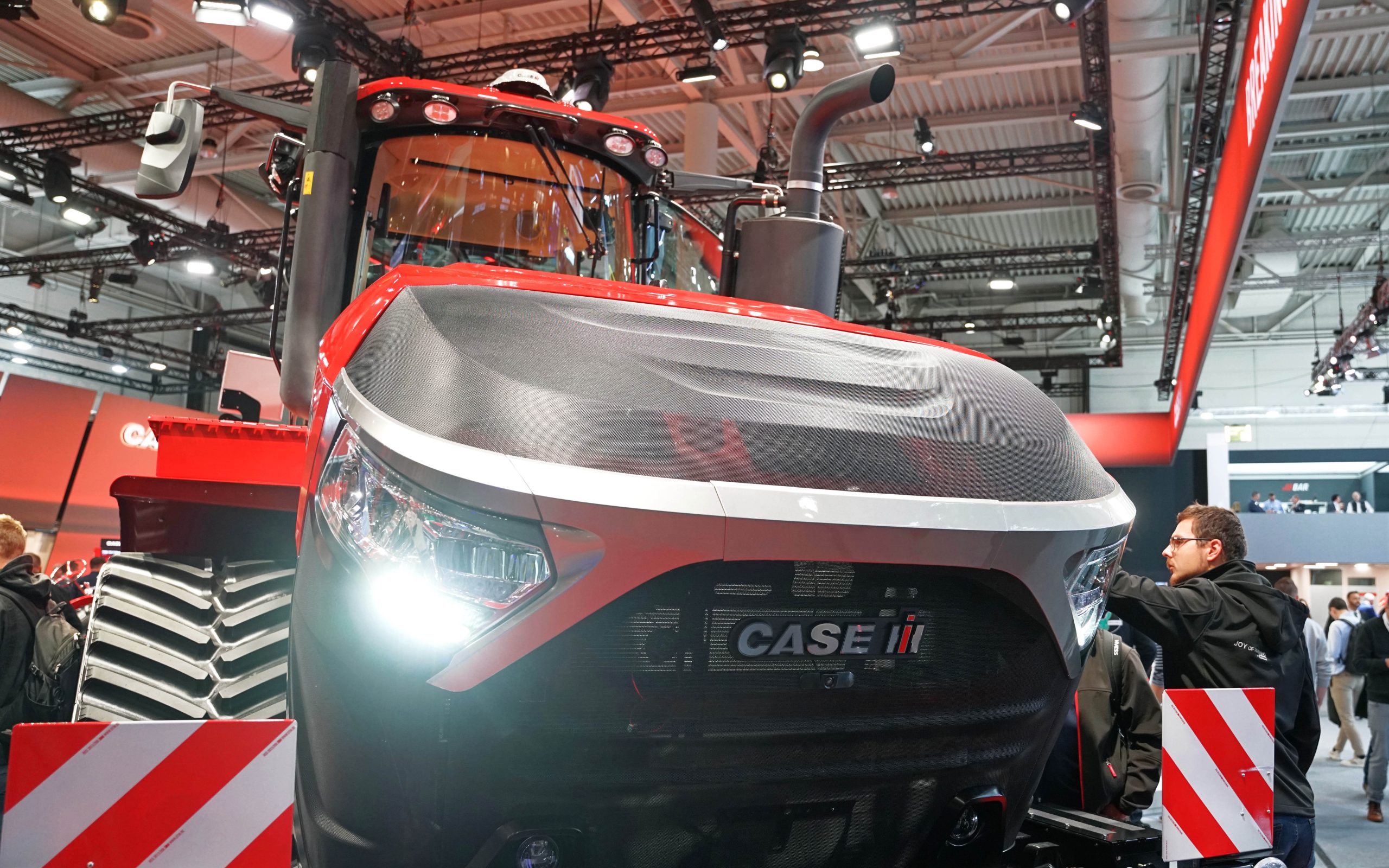
At a roundtable discussion last week called to announce a US$12bn aid package for beleaguered US farmers beset by high costs and poor prices, US President Donald Trump went on to outline his plans for the machinery industry.
During the presentation, he stated that machinery manufacturers need to lower prices “because farming equipment has gotten too expensive”.
This is a sentiment that is widely shared within farming and in US; even dealers themselves have listed rising prices as their top concern.
Expensive greenery
The US president went on to outline what he believes to be one of the underlying causes of new machinery costs, placing the blame on the amount of extra components fitted in response to environmental legislation.
He said: "There's so much equipment for environmental stuff that doesn’t do anything but makes equipment much more expensive and complicated to work on and it's not as good as the old days."
Trump also insisted that manufacturers will need to reduce machinery prices, adding that to help them do so, there will be changes made to legislation to remove the obligation for these items to be fitted.
Not only did he target the expense of the equipment but also its complexity, quipping that one needs an IQ of 185 to start a lawnmower.
Not so happy
The US president's sentiments will no doubt prove popular amongst those seeking lower machinery prices, as well as the Right To Repair movement, which has been a strong critic of tractor complexity.
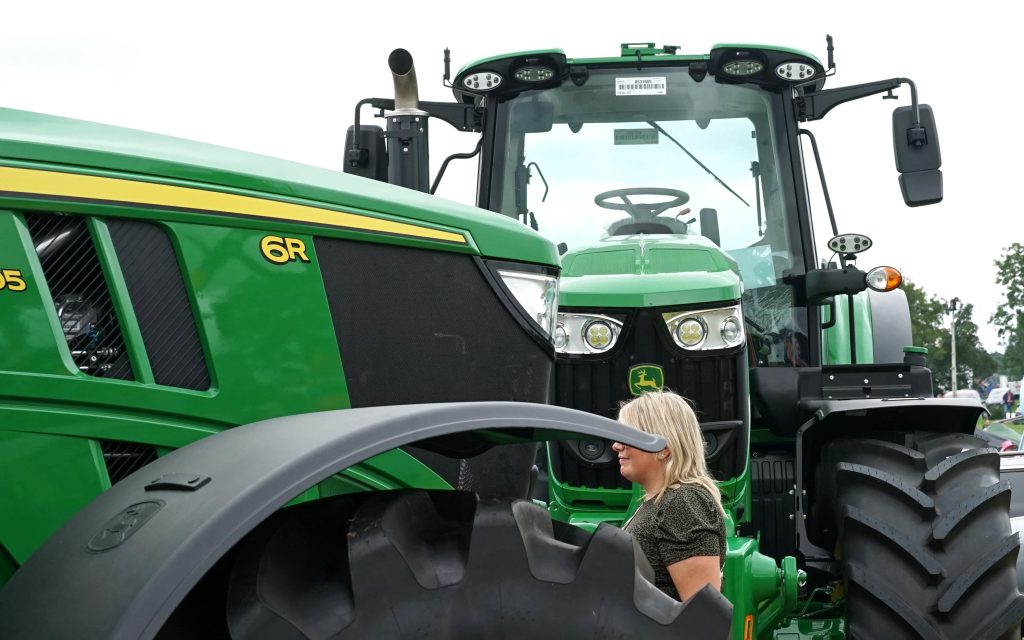
However, it may not prove quite so popular amongst machinery manufacturers, who have invested heavily in meeting ever more stringent emission standards.
Should the president's thoughts prevail, then pressure for the EU to reduce its emission standards may also increase, as it will be pointed out that US farmers will have had their competitiveness boosted by lower machinery costs.
Limited effect of Trump's thoughts
Elsewhere, there are suggestions that simply abandoning, or severely curtailing, emission standards is unlikely to have a significant effect on machinery prices.
There are other costs that have added to the increase over the years, including materials, energy, and the US government's own tariffs.
Non-powered machinery prices have also risen in line with tractors, underscoring the belief that the equipment fitted to combat tractor emissions may not now play as big a role in pricing as it did upon its introduction.