Time to lime: The ingredient to success

If the Mayo footballers didn't train once between this year's win and the 2027 all-Ireland, would you expect them to bring Sam McGuire home again?
Realistically, the answer is no; passes would not stick, set plays would be non-existent, and there would be a major breakdown in cohesion.
Now apply that logic to soil fertility and ask yourself, will you get the best use out of your nitrogen if you do not spread lime?
Spreading lime is like training the ground to work with nitrogen.
According to studies, only 35% of applied nitrogen is retained in sub-optimal soil conditions, but if you put in the work and improve soil fertility to optimal levels, that figure nearly doubles to 63%.
Fertiliser was frightfully expensive this year, but many farms were lucky enough to have had some stock in before prices rocketed.
Unfortunately, it does not look fertiliser will be any cheaper in the near future, so we will have to utilise it as efficiently as possible next year.
Lime
Over the last fortnight, there has been a world of silage cut and collected as broken windows of dry weather gave an opportunity to secure some much-needed fodder.
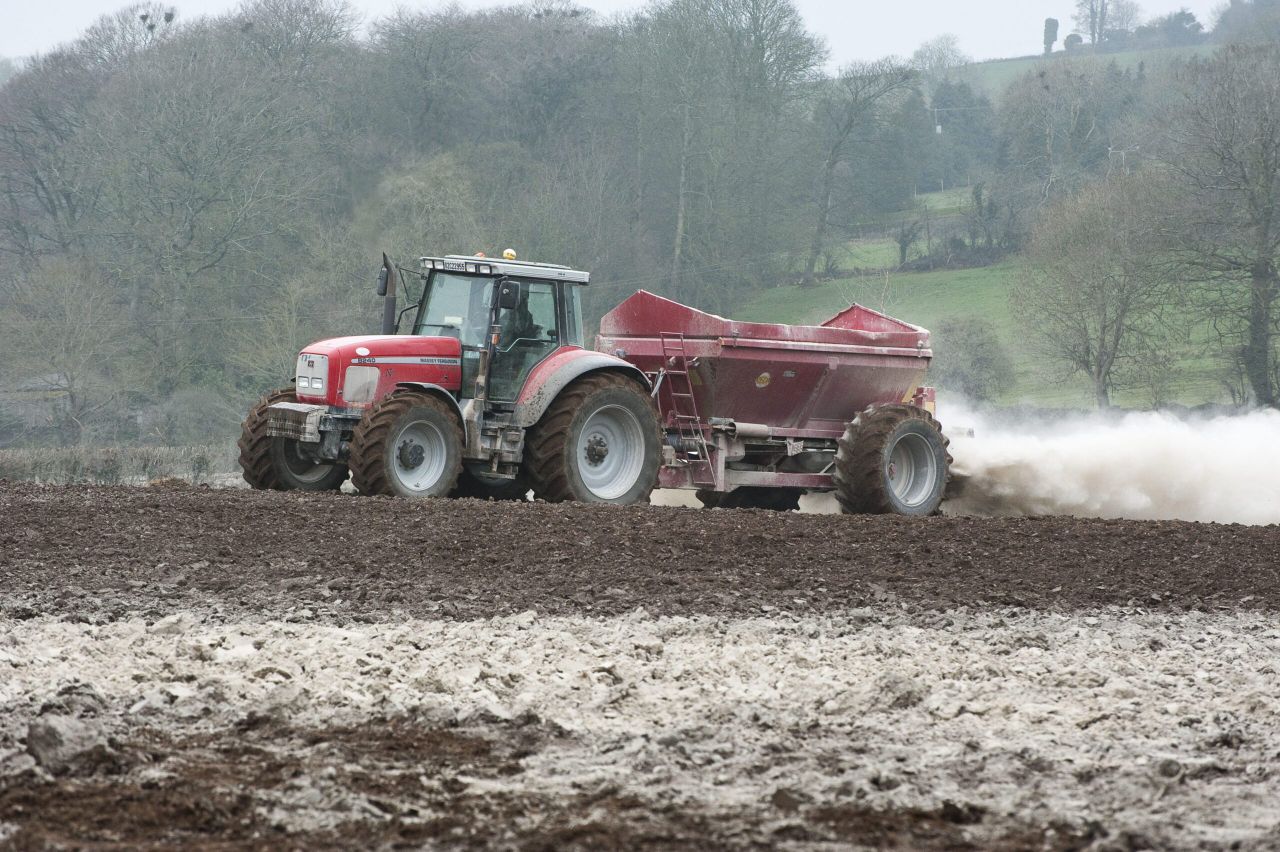
As these fields now lay bare, getting in with lime where required and correcting any soil pH issues is advisable while ground conditions are still trafficable.
The slurry and fertiliser spreading closed period may have kicked in, but lime can still be spread, though ensure there is a 10-day gap after any slurry was applied.
Lime is a natural soil conditioner, and corrects soil acidity by neutralising acids in the soil, which allows the soil biology and earthworms to break down plant residues and animal manures, and release nutrients required for healthy plant growth.
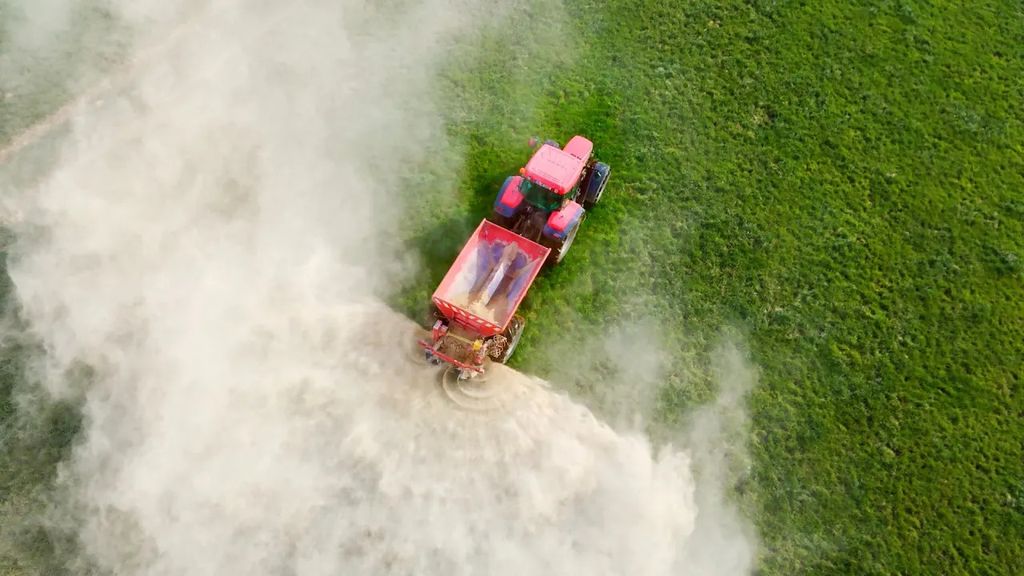
Teagasc research shows an average grass production response of around 2.5t DM/ha from lime alone.
As well as this, optimal pH level will reduce the need for chemical nitrogen in the ground and is a gateway to increasing the availability of nutrients such as phosphorus (P), potassium (K), sulphur (S), and calcium (Ca).
Therefore, every €1 invested in lime represents a €7-€12 return.
Application
Getting lime out straight after a cut of silage is ideally one of the best times to spread, as you reduce the risk of lime residues on the grass plant.
However, before you ever order a load of lime, the first thing to do is obtain soil samples.
This will help determine which fields need lime and how much lime is required. These samples should be updated every four years.
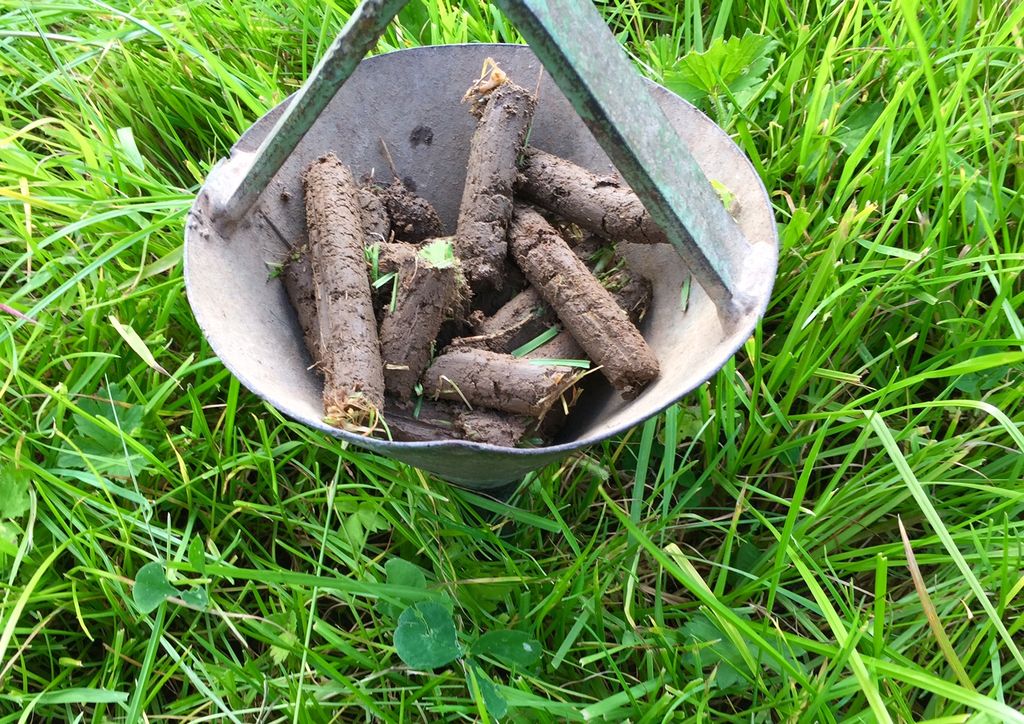
Soil samples are required every four years, but sampling every two years allows for targeted decisions, and helps farmers hit weak paddocks with a top-up rather than having to make up for a couple of years of poor fertility.
Lime should be applied without exceeding 5t/ha in a single application, and so a split application of 2.5t/ha over a number of years will allow you to build up soil pH in stages over time.
In order for lime to be effective and to maintain soil pH at optimum levels, it needs to be applied on a regular basis to control soil acidity as lime is continuously leached from the soil, mainly through drainage water.
It should be noted that soils with a high molybdenum (Mo) status may give rise to copper deficiency in grazing animals.
Increasing soil pH over 6.2 increases Mo availability. To reduce elevated Mo levels, maintain a somewhat lower soil pH of 6.0-6.2.