Think spring 2026 planting options through now - agronomist

There is growing concern that the spring planting options available to tillage farmers in 2026 could prove problematic.
This follows the recent pressure that has been brought to bear on bean prices and the continuing downturn in the market for Irish oats.
Teagasc tillage specialist, Shay Phelan, said: “Growers also know that spring feed barley is the crop option that delivers the lowest margin.
“So, yes, there is growing pressure on the spring planting opportunities available for tillage farmers as they look towards 2026.”
But, according to the Teagasc representative, there is one guiding principle that must always be followed when it comes to planting any crop next year.
He explained: “It’s imperative that growers seek out customers for the crops they want to grow well before any seed is put into the ground.
“And an integral part of this discussion will be finding out the price that customers are prepared to pay once the harvest comes around.”
Forage maize
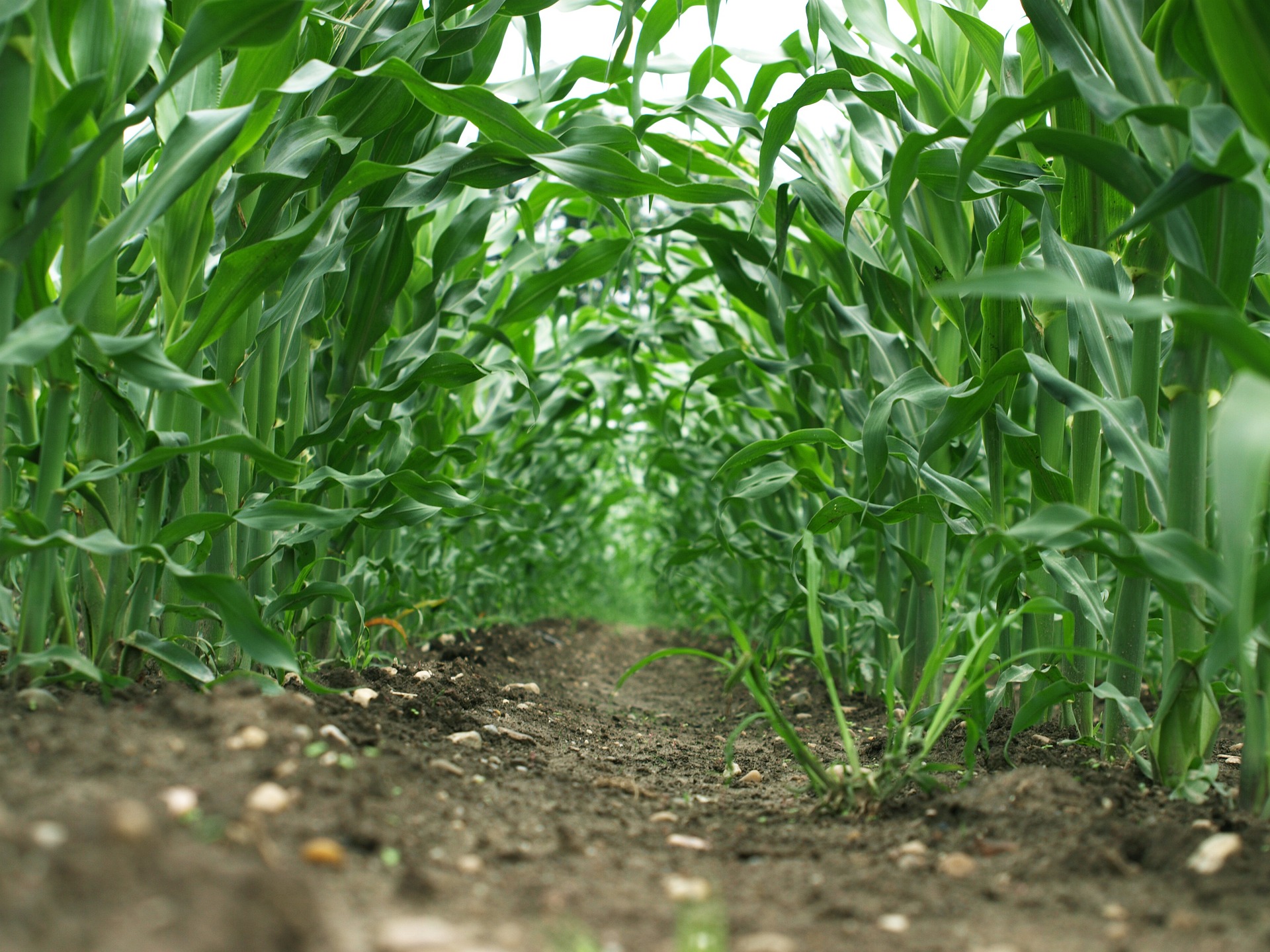
Given this backdrop, there is a growing belief that forage maize could be an integral part of the spring cropping plans followed on many tillage farms next year.
This follows a 2025 growing season that saw maize crops delivering record yields and early harvest dates.
“But the key economic principles must be followed when it comes to growing maize," Phelan said.
"The number one priority is having customers agreed before any commitment is made to growing a crop in the first place."
Demand for forage maize continues to grow within the livestock sectors.
However, the jury is out as whether milk producers will further commit to the crop in the event of farm gate milk prices coming under pressure over the coming months.
Winter cereals
Meanwhile, winter cereal crops continue to grow on well.
“It’s a case of hedge-to-hedge crop coverage in most cases,” Phelan commented.
“All of this bodes well in terms of the yields that can be secured next harvest.
“However, world grain markets remain in the doldrums. And this will continue to impact on the prices paid for Irish cereals over the coming months.”
According to the Teagasc tillage specialist, field work has now come to a total stop, given the very soft ground conditions.
“There are some growers who may well wait until January and plant winter wheat out in fields that were used for potatoes and fodder beet this year," Phelan said.
“But the areas involved here are very small.”