The impact of drought on crop mineral deficiencies


The Potash Development Association has highlighted the role played by drought in exacerbating crop mineral deficiencies.
Significantly, potassium deficiency is not always visually obvious.
Many fields continue to produce acceptable yields despite gradually declining soil potassium reserves.
However, hidden deficiencies can become exposed when crops encounter environmental stress.
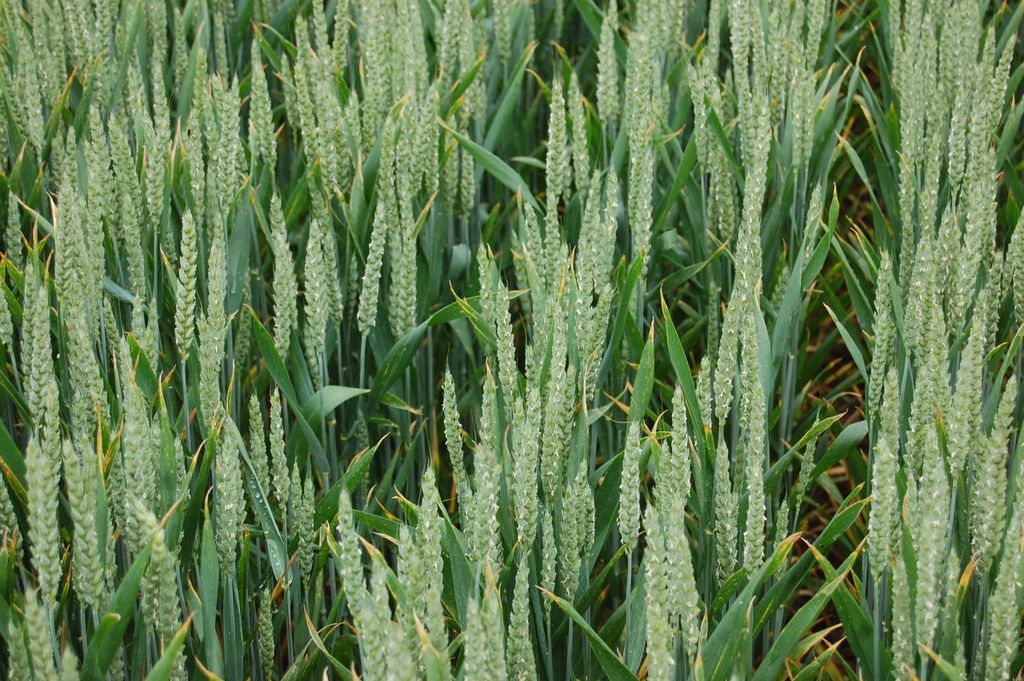
Consider two winter wheat crops with similar yield potential. One is growing on a soil maintained at the target potassium index, while the other has experienced several years of nutrient offtake exceeding replacement.
Under favourable growing conditions, yield differences may be relatively small.
During a prolonged dry spring, however, the potassium-deficient crop is likely to suffer earlier stomatal dysfunction, poorer water regulation and greater reductions in photosynthesis.
The agronomic lesson is clear. Nutrient deficiencies often express themselves most severely when crops are placed under pressure.
This highlights the importance of maintaining soil potassium indices rather than attempting to rebuild them once drought conditions have already developed.
Magnesium
While potassium often receives the greatest attention, magnesium also has an important role in crop resilience.
Magnesium forms the central component of the chlorophyll molecule and is therefore directly involved in photosynthesis.
When crops are exposed to intense sunshine and elevated temperatures, maintaining photosynthetic efficiency becomes increasingly important.
Any restriction in magnesium availability can reduce the crop’s ability to capture and utilise available light energy effectively.
Magnesium deficiency can also impair carbohydrate movement from leaves to developing grain or storage organs.
As many growers have observed over recent years, periods of bright sunshine accompanied by dry soils can sometimes increase the expression of magnesium deficiency symptoms, particularly on lighter textured soils.
Maintaining adequate magnesium supply is therefore an important part of protecting crop performance during stressful growing conditions.
Sulphur and calcium
Meanwhile, sulphur has become increasingly important in modern crop production systems.
Its role extends well beyond yield formation, contributing to protein synthesis, enzyme activity and nitrogen utilisation.
Crops suffering from sulphur deficiency will struggle to use available nitrogen efficiently, reducing overall growth and development.
During periods of environmental stress, maintaining efficient metabolic activity becomes particularly important.
Calcium also contributes to crop resilience through its role in cell wall formation, membrane stability and root development.
Healthy root systems are fundamental to drought tolerance. Crops capable of exploring larger volumes of soil have increased opportunities to access both water and nutrients during dry conditions.
Whilst potassium may be the nutrient most closely associated with drought resilience, the reality is that a balanced nutritional programme is required to achieve the greatest benefit.