Sixmilebridge buzzing as ivy bee sighted

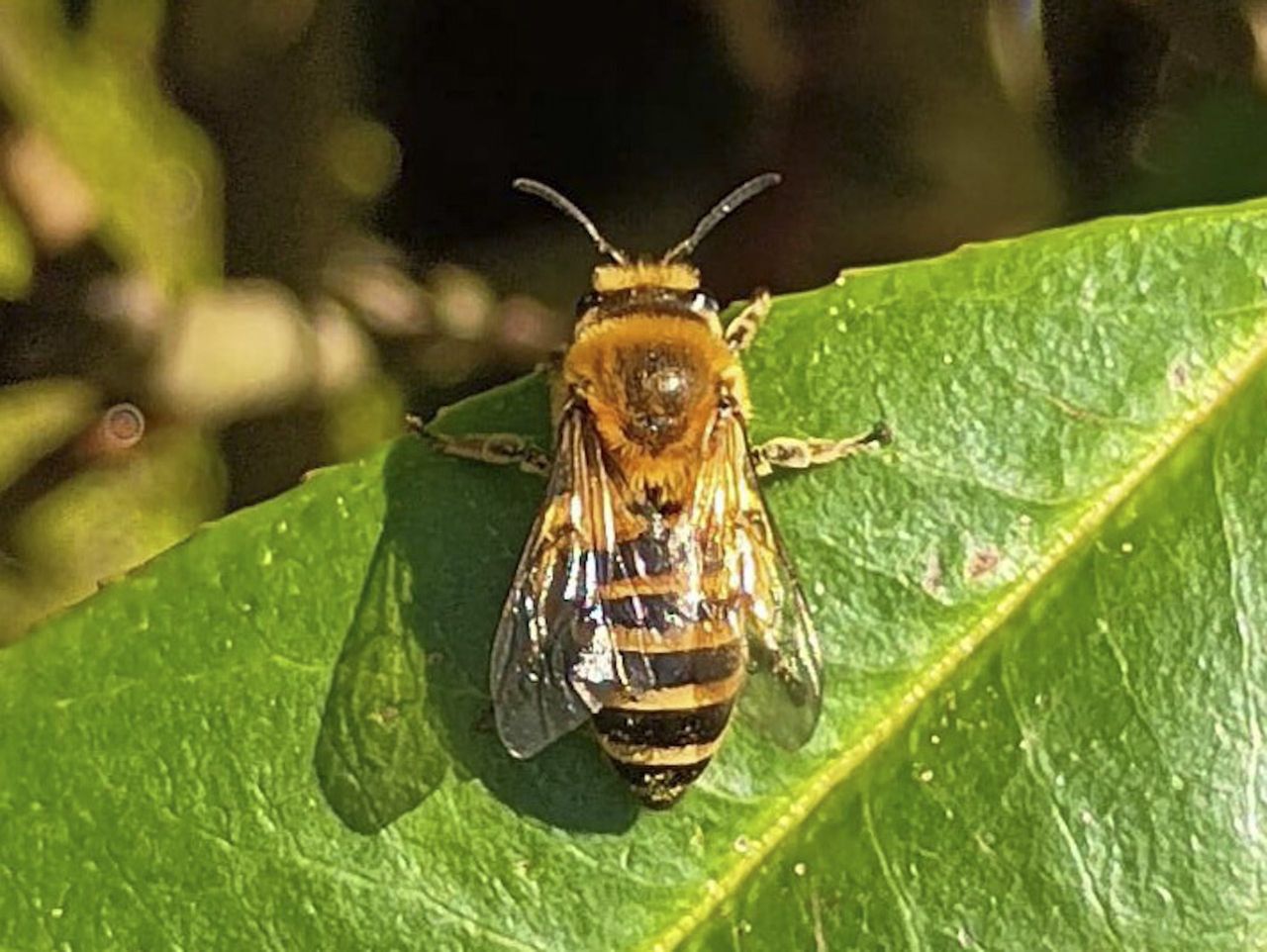
The ivy bee, first recorded in Ireland in 2021, has just been spotted in Sixmilebridge, Co. Clare.
The elusive ivy bee was recorded in Sixmilebridge by citizen scientist, Jim Oldroyd on September 26.
Until now, the ivy bee has only been recorded in the south-east of Ireland, mainly along the Wexford coast.
The ivy bee was first spotted in October 2021 at the Raven Nature Reserve in Co. Wexford, by photographer and citizen scientist Jim Kenny.
This first record showed it had expanded its range from Britain.
Since then, there have been sightings elsewhere in Wexford and in Wicklow.
Until Oldroyd's sighting, the most westerly record of the ivy bee in Ireland was from New Ross, Co. Wexford.
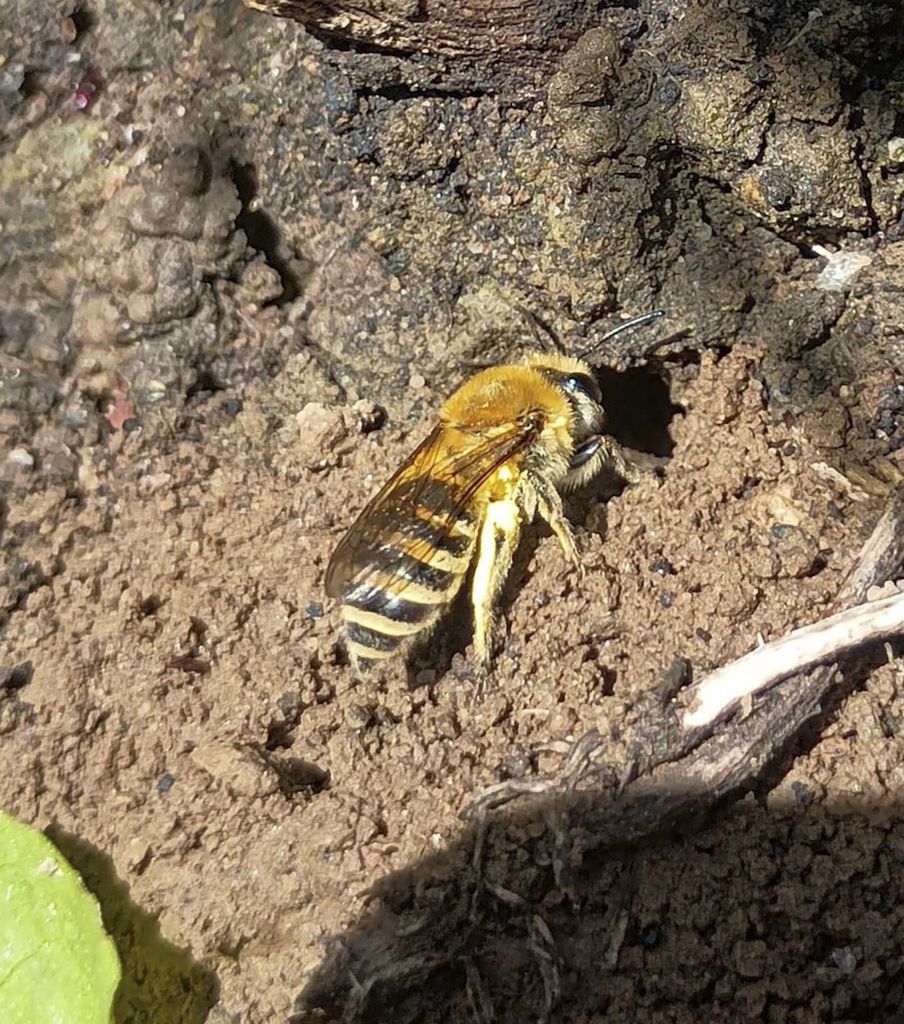
The ivy bee (Colletes hederae) nests in loose, light or sandy soil on southern-facing banks and cliffs with ivy nearby for nectar and pollen.
They are most active in September and October when ivy is in flower.
In Britain, they are common in urban and farmland settings as well as coastal heathlands.
They are solitary bees but, when conditions are suitable, there may be thousands of nests in the same area.
Like most wild bees in Ireland, they are not aggressive and are not a threat to humans.
Irish bees
In Ireland, there are 80 solitary bee species, 21 bumblebee species and one honey bee, according to the national biodiversity data centre.
Pollinators are in decline, largely due to a loss of suitable habitat that provides them with food and shelter.
The recently launched All-Ireland Pollinator Plan 2026-2030 aims to reverse pollinator declines by bringing together different sectors to create pockets of habitat every 200m.
Oldroyd who discovered the bee in Sixmilebridge, said he spotted the colony while out walking with his children, Sloane and Jude.
He said: "Having an interest in the natural world, I’m always on the lookout for something interesting.
"The first thing that drew my attention was the noise the bees were making digging burrows. The earth was shooting out like a miniature volcano.
"When I saw the bee, I knew I was looking at something unusual and I was delighted when I got confirmation it was the ivy bee.
"It’s a beautiful looking creature with a fascinating life cycle," he said.
According to Oldroyd, the colony is "very active".
"It’s intriguing to watch the females clearing out the burrows in such an accessible place for people to see, right on the edge of a housing estate.
"The bees don’t seem to mind being close to humans, in fact they show no interest at all," he said.
Oldroyd added that he hopes the residents of Sixmilebridge get as much enjoyment out of the colony as he does.
"It just goes to show the importance of allowing space for wildlife to thrive and not being too tidy.
"In this case, all nature needed was a bare slope and some flowering ivy."
He said he's not quite sure how the ivy bee came to Sixmilebridge, but is "glad it did".
"Fingers crossed, the pupae survive the winter and hatch to enjoy the ivy again," the citizen scientist said.
Clare Co. Council biodiversity officer, Barry O’Loughlin said it was a significant find and a new record of this solitary bee for Co. Clare.
He added: "Communities across Co. Clare are embarking on pollinator-friendly initiatives to conserve declining bumblebee and solitary bee populations.
"This new record highlights the importance of partnering with the All-Ireland pollinator plan and submitting records to the national biodiversity data centre.”
Owen Beckett of the National Biodiversity Data Centre said this new record represents a surprising expansion of the ivy bee’s range in Ireland.
He explained "It suggests that the species might be much more widespread than previously thought, especially in the southern counties.
"It is a timely reminder of the significant role that citizen science plays in allowing experts to track distribution and population changes of our pollinating insects."
Beckett explained that ivy is a late-flowering plant, in flower between August and October.
"The ivy bee relies on ivy for pollen and nectar and the bee times its emergence to coincide with this. So cutting of ivy before it gets a chance to flower can affect the ivy bee's foraging and future offspring," he continued.
While it is legal to cut hedgerows after August 31, Beckett called on farmers to wait until winter to cut hedges with ivy flowers.
This would benefit the ivy bee and other pollinating insects that rely on ivy.
The National Biodiversity Data Centre is encouraging everyone to send in suspected sightings of the ivy bee to help track pollinator numbers.