Should Ireland be breeding for heat resistance?

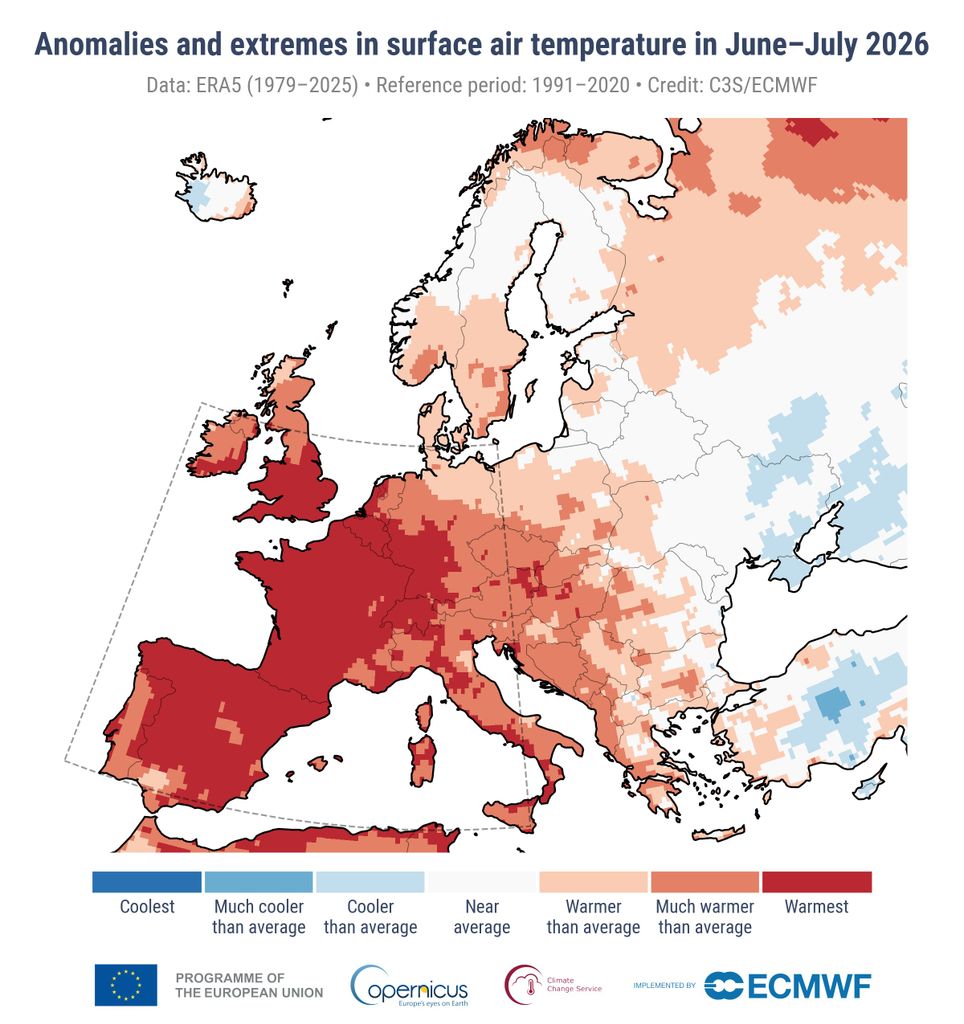
Following one of the hottest summers on record across western Europe this year, should farmers be considering breeding for heat resistance?
There is no doubt that droughts are becoming a common occurrence for many farmers across Ireland, with this year proving to be an exceptional case.
This, combined with other reasons, has led to a shift towards feed efficiency in many breeding strategies.
But with many cows feeling the impact of heat stress throughout the year, is heat resistance something to also consider?
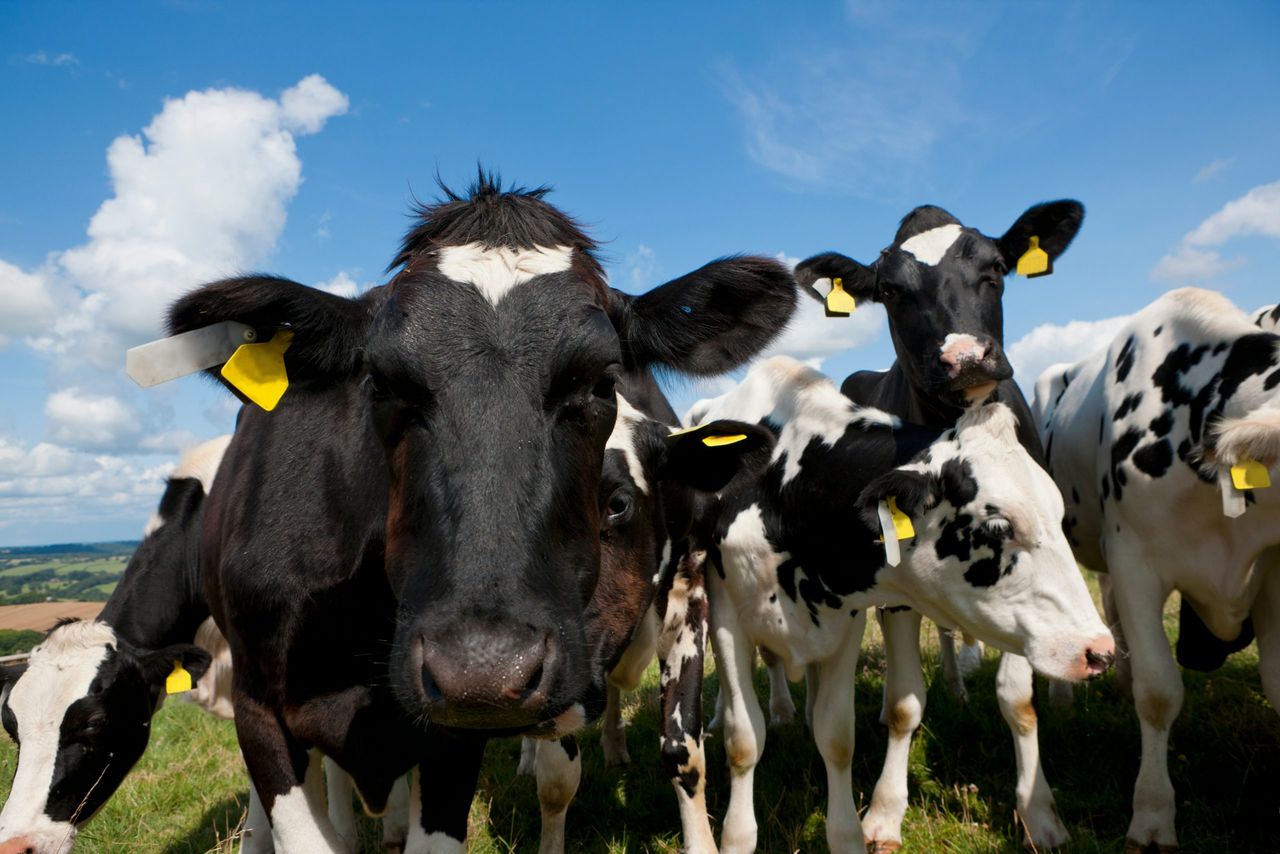
Dairy cows can be quite susceptible to heat stress when temperatures climb above 20°C with moderate humidity.
And given the mean temperature for July across Met Éireann's 25 weather stations was 17.26°C, it is fair to say that cows are experiencing a climate which does pose a risk of heat stress.
Once cows do begin to feel the impact of heat stress, their feed intake will be reduced and ultimately cause a reduction in milk yield and solids.
Heat stress can also impact fertility as well as causing additional health issues, such as mastitis, lameness, and acidosis.
Breeding for heat resistance
Milk production and fertility will realistically always be at the forefront of any breeding strategy.
But with significant advancements in Irish breeding over the last decade, many farmers are now putting a stronger focus on health traits, whether that be mastitis and cell counts, legs and udders, or even more recently, TB resistance.
With so much work gone into getting production, fertility, and health right, dealing with issues such as heat stress can be an awful headache.
However, a New Zealand-based company may have the answers.
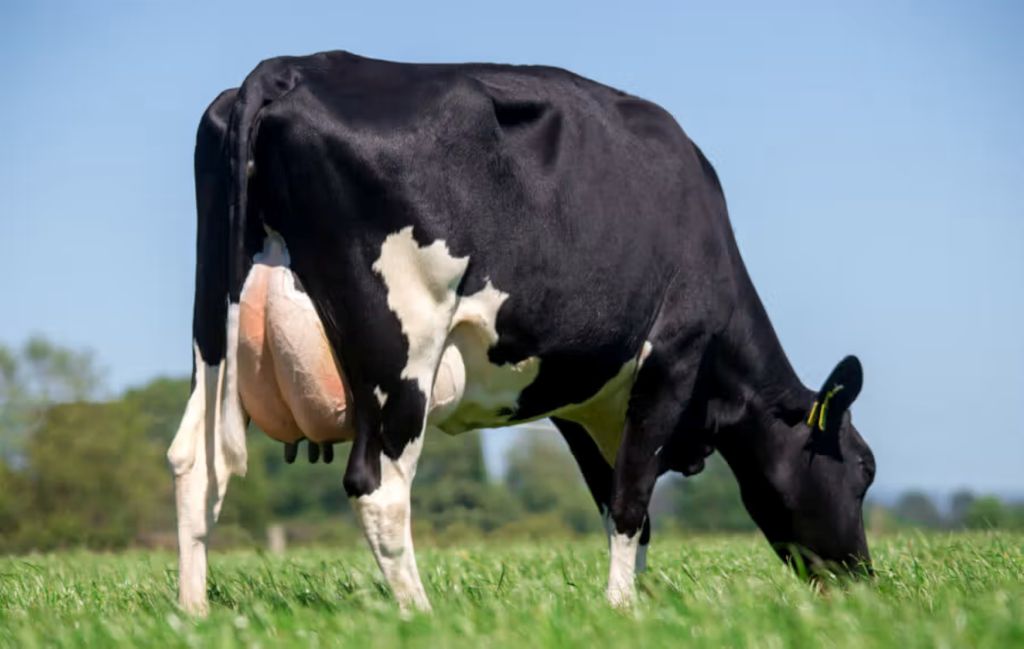
Tropical Resilience Genetics, based out of Hamilton, says it has bred "the world’s first team of homozygous slick Jerseys".
As well as this, the company states that it "owns the largest dairy breeding nucleus of slick animals in the world".
The slick gene originates from Senepol cattle in the Caribbeans, a gene which mitigates heat stress through short sleek hair, as well as larger sweat glands, and additional skin folds.
Because slick cows can regulate their body temperature more effectively than non-slick cows, they can remain productive in heat waves, while also maintaining growth over the winter months.
Tropical Resilience Genetics have also been breeding the dominant slick gene through a team of Holsteins and Kiwipoles, which has boosted their heat heat tolerance.
The genetics company says these cows are producing an average of 4L milk more than non-slick cows in hot weather, while drinking less and taking pressure off limited water supplies.
Tropical Resilience Genetics is mainly distributing these genetics to countries far hotter than Ireland, such as Australia, Indonesia, Jamaica, and more.
However, the Dutch-based genetics company, K.I. Samen, has now started distributing semen with slick genes from the US in Europe.
This begs the question, are slick genes on the radar for Irish breeders, or are temporary heat stress management techniques sufficient for our modest climate?