Pressure mounts on farms as persistent rainfall delays work

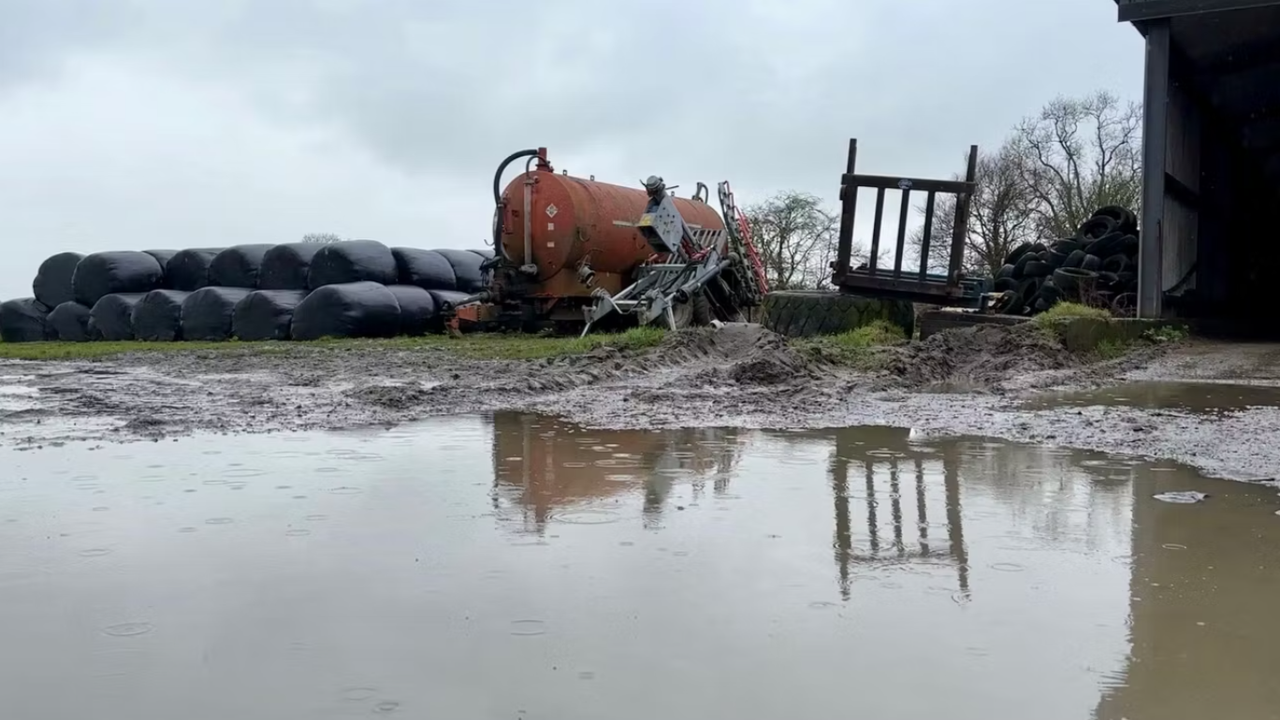
Pressure is mounting on farms across the country as continued rainfall is delaying June farm work.
The final week of May saw sunny weather and dry conditions prevail across the country, offering an opportunity for farmers to get a handle on fieldwork.
Many farmers did manage to secure a crop of first-cut silage and get slurry out on silage ground but there are also large numbers of farmers still anxiously waiting for a weather window to secure a first cut.
The arrival of the hot weather in late May was welcome, but a lot of farmers who did not have fertiliser on fields long enough to cut silage had to wait the dry spell out until nitrate levels dropped in their swards so they could be safely cut and ensiled.
Weather broke on the June Bank Holiday weekend and has remained broken since then, with scattered showers and heavy downpours prevailing across the country.
This persistent rainfall is starting to take a toll on ground conditions, particularly on heavier soil-type farms and even on some drier farms in cases, with cattle poaching paddocks and ground conditions unworkable for machinery in some fields.
Agriland has also heard of cases around the country where farmers have had to rehouse herds of cows due to severe poaching on paddocks.
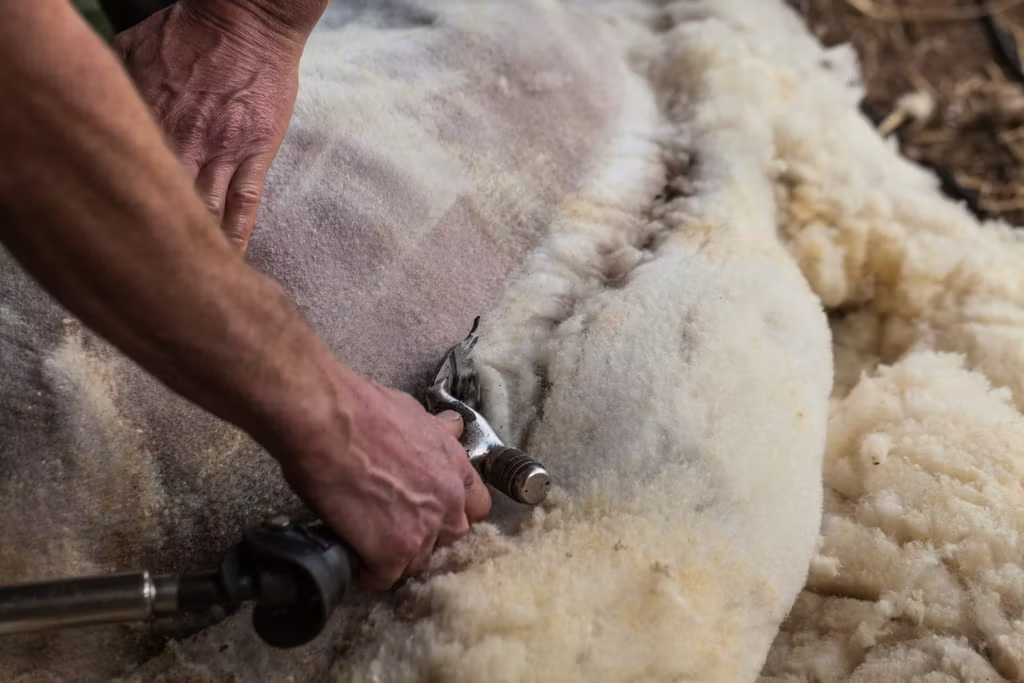
The weather conditions are also taking a toll on sheep shearing across the country, with shearers across the country telling Agriland they are 2-3 weeks behind on work when compared to a regular year due to the wet conditions.
Rain also causes the fleeces on sheep to be more challenging to shear compared to shearing during hot, sunny weather.
Weather conditions are expected to improve from tomorrow (Friday, June 12), but many heavier-type soils will need a few days of dry conditions before machinery can travel ground without causing field damage.
While a wet June does benefit grass growth rates on drier soil type farms, by and large, most farmers - on heavier soils in particular - will be anxiously anticipating the return of warmer, more settled dry weather to catch up on summer jobs on farm which are now running behind schedule in many cases.