Plans announced to relax bluetongue restrictions on a Co. Down mart

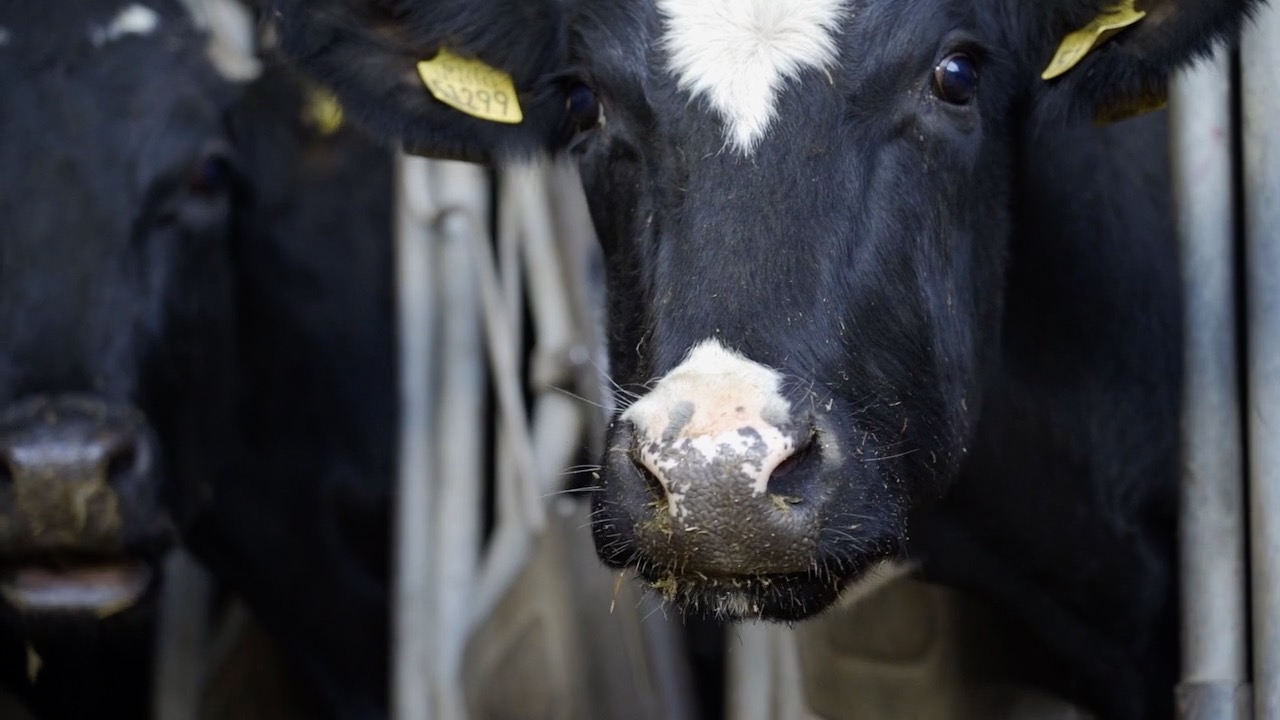
Plans have been announced to relax some of the restrictions on a Co. Down livestock mart.
The restrictions were introduced following the detection of bluetongue in the area.
Northern Ireland's chief veterinary officer Brian Dooher has announced that Saintfield Livestock Market, which is located in the bluetongue virus temporary control zone, will be able to accept livestock from outside the zone from Tuesday, December 16.
However, the market will not, at this stage, be able to accept animals from farms located within the temporary control zone, he said.
Movements within and out of the zone are currently under review and, following completion of the necessary surveillance early next week, the Department of Agriculture, Environment and Rural Affairs (DAERA) then expects to be in a position to inform of next steps.
Bluetongue temporary control zone
Dooher said: “The department has informed Saintfield Market it can recommence operations next Tuesday and accept animals from outside the zone.
"This is subject to general licence requirements to move into the temporary control zone.
“Holdings inside the zone remain prohibited from moving animals off their premises unless they are being sent direct to slaughter under licence.
"They cannot, therefore, attend Saintfield Market. We expect to make further announcements on this towards the end of next week."
Dooher said that animals sold at the market will, however, be able move to holdings inside and outside the zone.
“Today’s announcement is the latest in a series of moves to relax restrictions introduced in the wake of the recent bluetongue outbreak and are aimed at relieving the pressure on farms and rural communities at this time," Dooher added.
“With herd surveillance testing for bluetongue in the temporary control zone nearing completion, the department plan, pending a further assessment of risk, to announce later next week the conditions and criteria to enable the movement of animals between premises inside the zone and to holdings outside the zone."
Outbreak
Bluetongue is primarily transmitted through biting midges and affects cattle, sheep, goats, deer, llamas and alpacas.
Biting midges are most active from April to November and the potential for spread depends on climatic conditions and wind patterns.
It poses no public health risk, nor does it pose any threat to food safety. However, its symptoms can be particularly severe in sheep.
Welcoming the relaxation of some of the restrictions on the market, DAERA Minister Andrew Muir said: “Ever since the outbreak near Bangor, DAERA vets have been working hard to understand the progression of the virus.
“The arrival of bluetongue on these shores necessitated stringent disease control measures.
"However, DAERA has also been acutely aware of the need to relieve the pressure on farms, based on the latest scientific advice and assessment.
“The reopening of livestock movements from outside the temporary control zone to Saintfield Market is another important step to support our agri-food industry."
Minister Muir said officials are continuing to work with a range of stakeholders on next steps, including moves from temporary control zone farms to outside the zone.
"We hope to be in a position to announce measures soon," the minister said.