Opinion: The benefits of daylight saving for agriculture


The tradition of ‘daylight saving’ can be traced back to the early years of the 20th century, before the days of modern lighting systems.
Switching the clock back by an hour at this time of the year allows farmers to make better use of the light that is available during the early morning period.
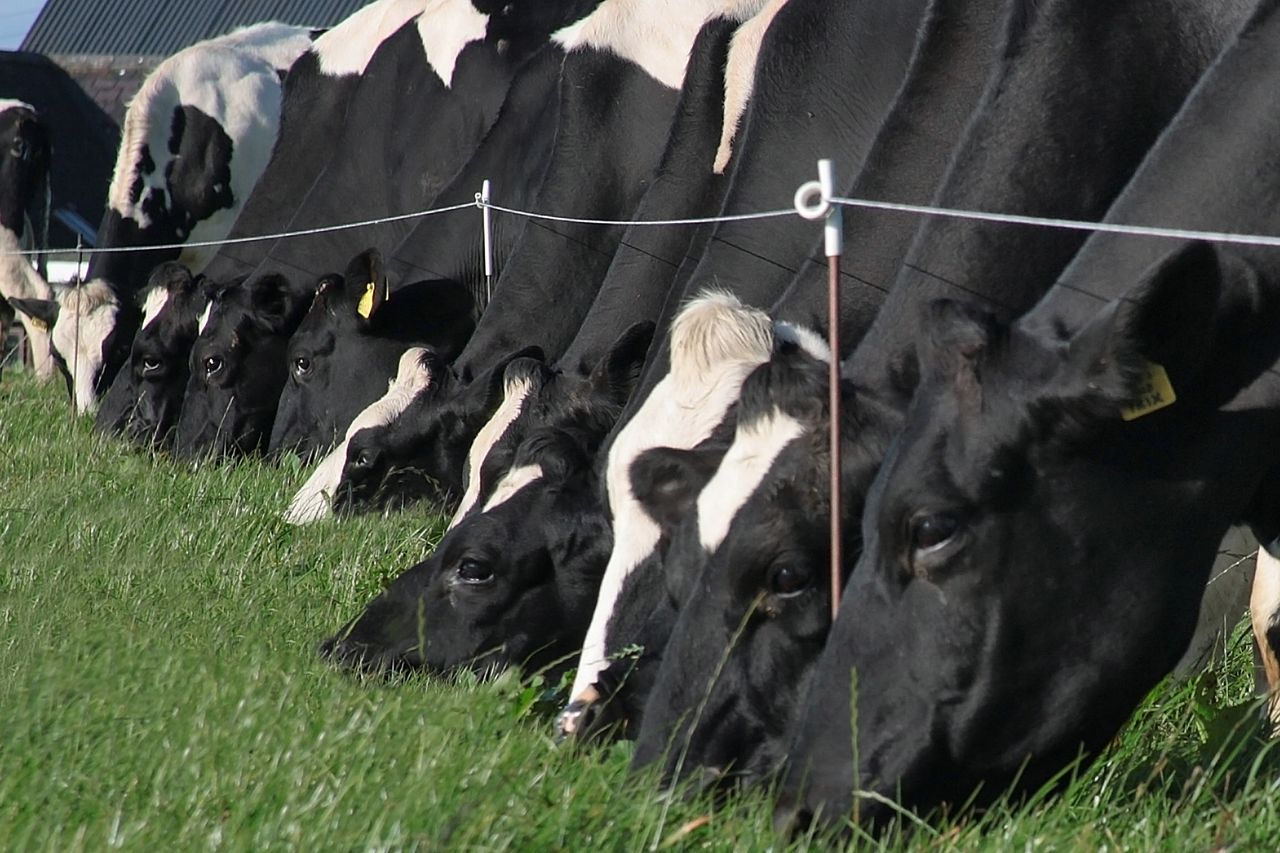
Had this not been so, milk producers, for example, would be spending more than half their working day in total darkness during the autumn and winter periods.
Switching the clocks forward in the spring reflects the fact that daylight hours are on the increase again at that time of the year.
But tweaking with the clocks does not change the fundamental reality: daylight is on the wane at this time of the year.
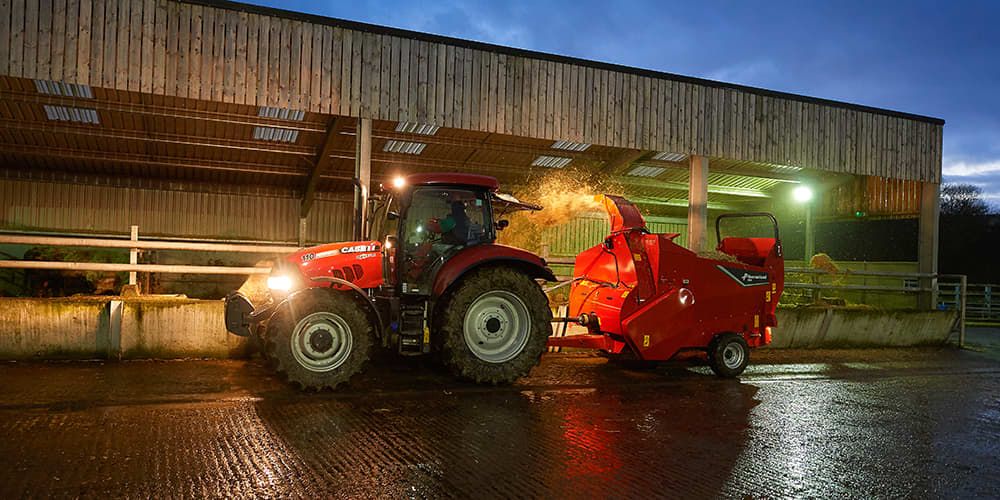
As a result, farmers will be working for a considerable period of time in almost total darkness during the autumn and winter months.
Maintaining the highest levels of safety is critically important in this context.
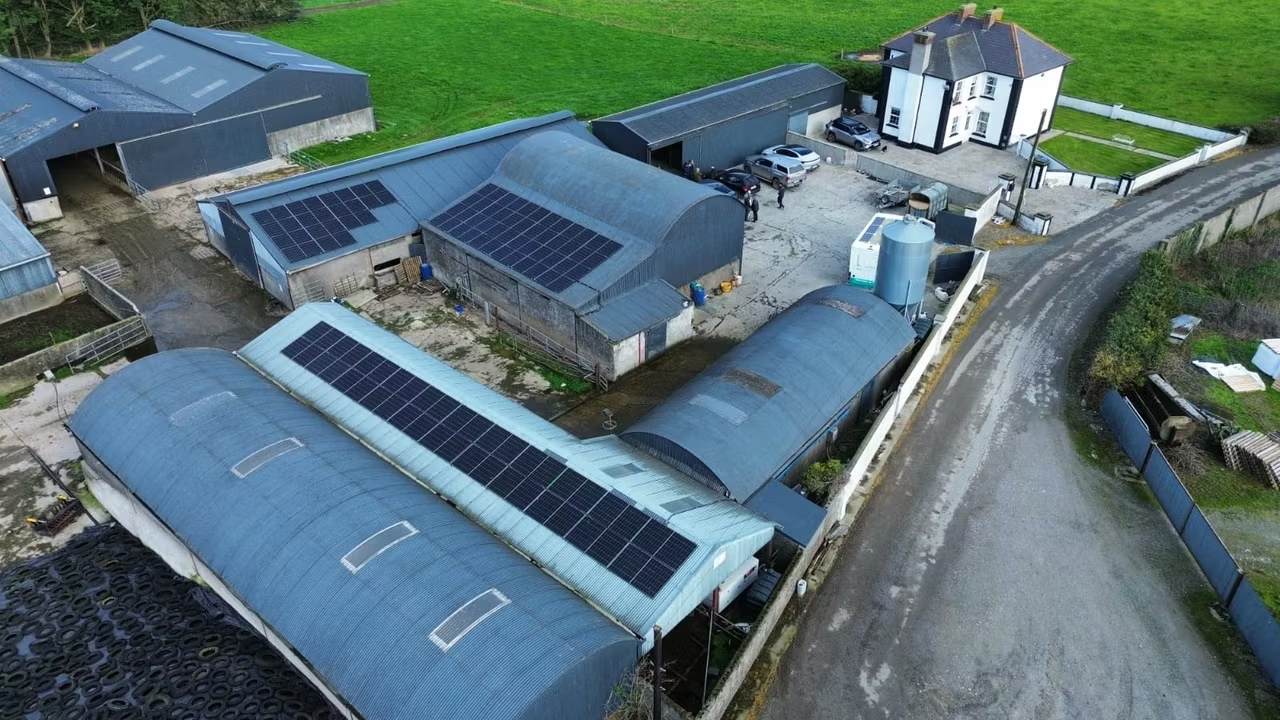
So, it is imperative that all lighting systems, both inside and outside farm sheds, are totally fit for purpose as the nights close in.
Because of Ireland’s northerly latitude, the long days during the spring and summer months is one of our greatest farming assets.
It is a phenomenon that delivers high levels of crops growth, all of which is linked to the availability of high levels of light intensity during those critically important weeks in a crop’s production cycle.
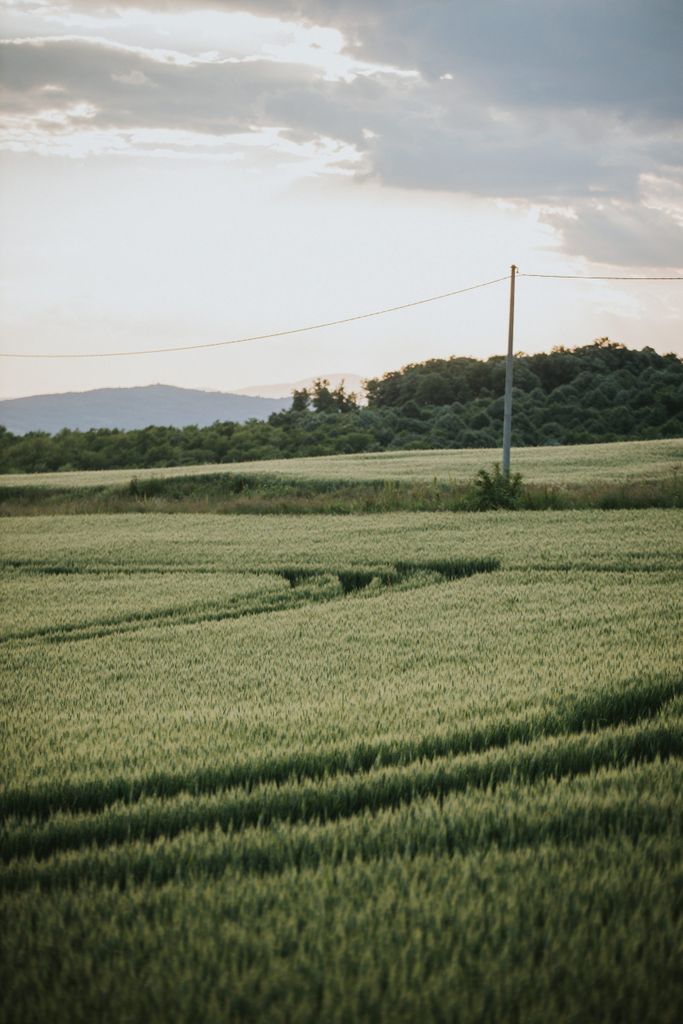
This is why Irish tillage farmers traditionally produce high yields of grains relative to their counterparts in more southerly latitudes.
Now, obviously this was not the case in 2026: the drought that impacted on Ireland during the months of June, July and August saw to that.
All other things being equal, light intensity – and not ambient temperature - is the key contributor to overall crop yields.
Specifically, where tillage is concerned, there is growing evidence that cool conditions during the spring and summer months deliver that all important chance for cereal crops, including wheat, barley and oats, to reach maturity over a longer period of time.
In turn, this provides individual plants with the opportunity required to secure optimal levels of grain fill.
Under such circumstances, the end result will be higher yields and, invariably, better grain quality.
So, yes, there is very reason why we should cherish the dark days of winter, as they are nature’s harbinger of the glorious spring and summer seasons that always follow.