Nature restoration plan labelled 'high on ambition but low on financing'

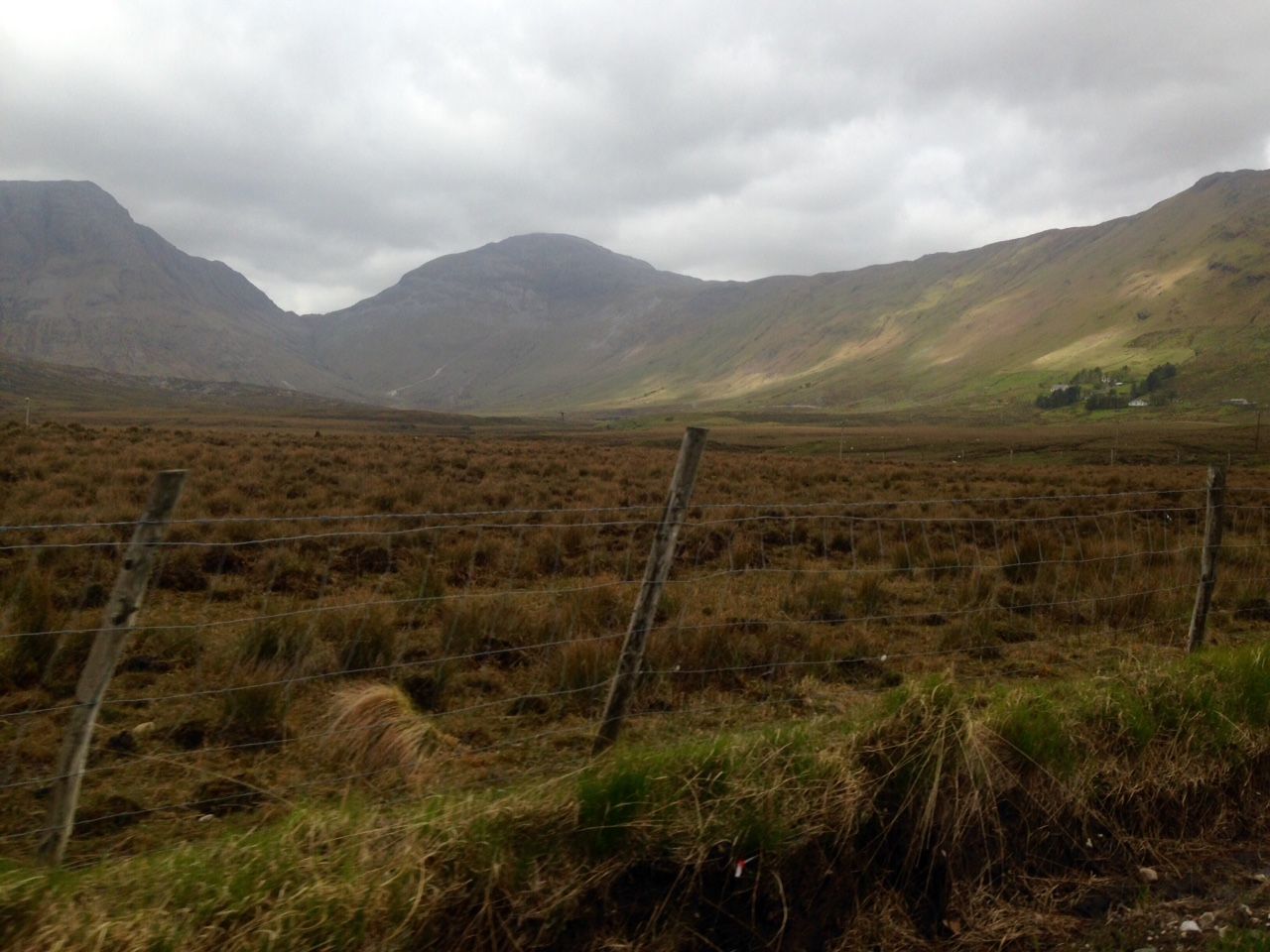
Farmers on designated land could be well experiencing 'déjà vu' if they take the time to read Ireland's draft Nature Restoration Plan (NRP).
That's according to president of the Irish Natura and Hill Farmers' Association (INHFA), Pheilim Molloy.
The farm organisation claims that the draft plan is "high on ambition but low to non-existent when it comes to financing" this ambition.
"There is a real concern that Ireland's NRP will end up in a similar way to the land designations first introduced 30 years ago," Molloy said.
"These designations have undermined property rights, curtailed farming output and devalued the land - but despite many promises, this financial burden has never been recognised or compensated for.
"While we all want to protect nature, it is vital that we ensure all associated costs including loss of income and property devaluation is spread across all of society and not left with farmers, as it has been with the SAC [Special Areas of Conservation] and SPA [Special Protection Area] designations.”
The Department of Housing, Local Government and Heritage has also announced a €20 million "pathfinder" fund for 2027 to support pilot restoration projects on public and private land.
The draft Nature Restoration Plan has been in the works for several months and forms part of the process of implementing the contentious EU Nature Restoration Law.
The draft has been submitted to the European Commission for feedback, with the commission set to hand down its views on the plan by next March.
Following that, Ireland will develop the final version of the plan, which will be submitted to the commission around this time next year.
Financing nature restoration
Phelim Molloy continued: "As members of INHFA national council continue to study the draft NRP, the issue of financing it is one of a number of issues that has been highlighted.
"The plan, while detailing a substantial budget requirement, has failed to clarify where it will be funded from.
"There is reference to supporting and enhancing nature including restoration measures through current funding streams including CAP [Common Agricultural Policy], with the inference that these may provide a level of de-facto funding for elements of the plan.”
The INHFA has said that there is an acknowledgement that state funding will be required, but has criticised the lack of detail on the level or where it will come from.
The farm organisation is also calling for clarity on the mentions of private funding within the draft plan.
"Unfortunately, one thing that remains very clear and that is the ambition to deliver on restoration targets with over 700,000ha of lands targeted for restoration under Article 4 of the plan," Molloy added.
"This will require private land (and a large amount) and this fact has also been acknowledged.
"In addition to this there has also been a recognition that there will be a need to rewet privately-owned drained peatland as there isn’t enough state-owned land to meet the targets.”
Restoration targets
Another aspect to the plan that hill farmers are concerned about relates to lands subject to the restoration targets under this plan remaining eligible for CAP payments.
"While there is acknowledgement that habitats relevant to Article 4 are managed through farming activity there is no assurances 'that agricultural lands currently defined under CAP regulation should continue to be considered agricultural and maintain eligibility for CAP and other payments including lands subject to Articles 4 and 11'.
"The lack of assurances around CAP eligibility is a major miss-step by the minister and NPWS [National Parks and Wildlife Service] and one they need to address.”