Reminder: Get the last of the dairy washings out this weekend

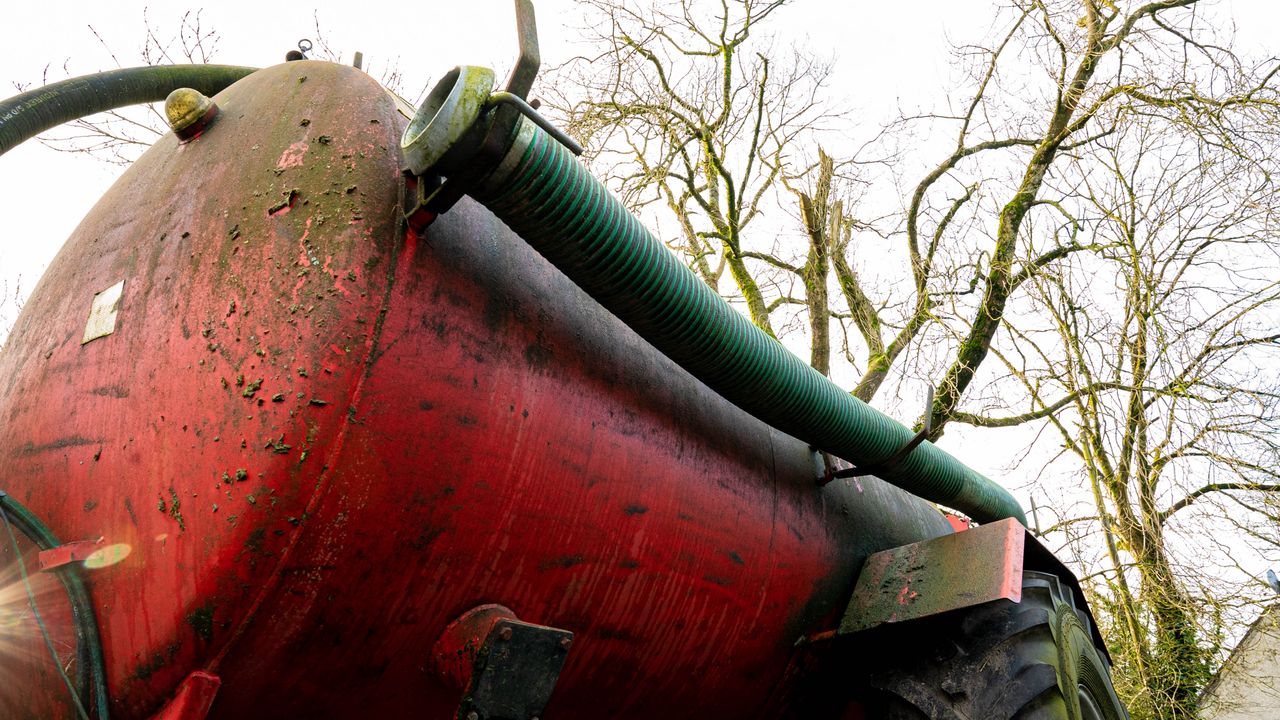
If there is going to be one job on the to-do list this weekend, it should be emptying dairy washing tanks before the closed period kicks in.
Dairy farmers are obliged to have the capacity to store 31 days-worth of dairy washings or soiled water.
The restricted period will begin Tuesday (December 1) and run for the month, with the last day of the restricted period being December 31, 2026.
According to Met Éireann, rainfall over the coming week is expected to be above average, with between 23mm and 70mm expected in the south and south-west.
This will put pressure on tanks as it is, so ensuring they are empty heading into next week will be crucial.
Dairy washings
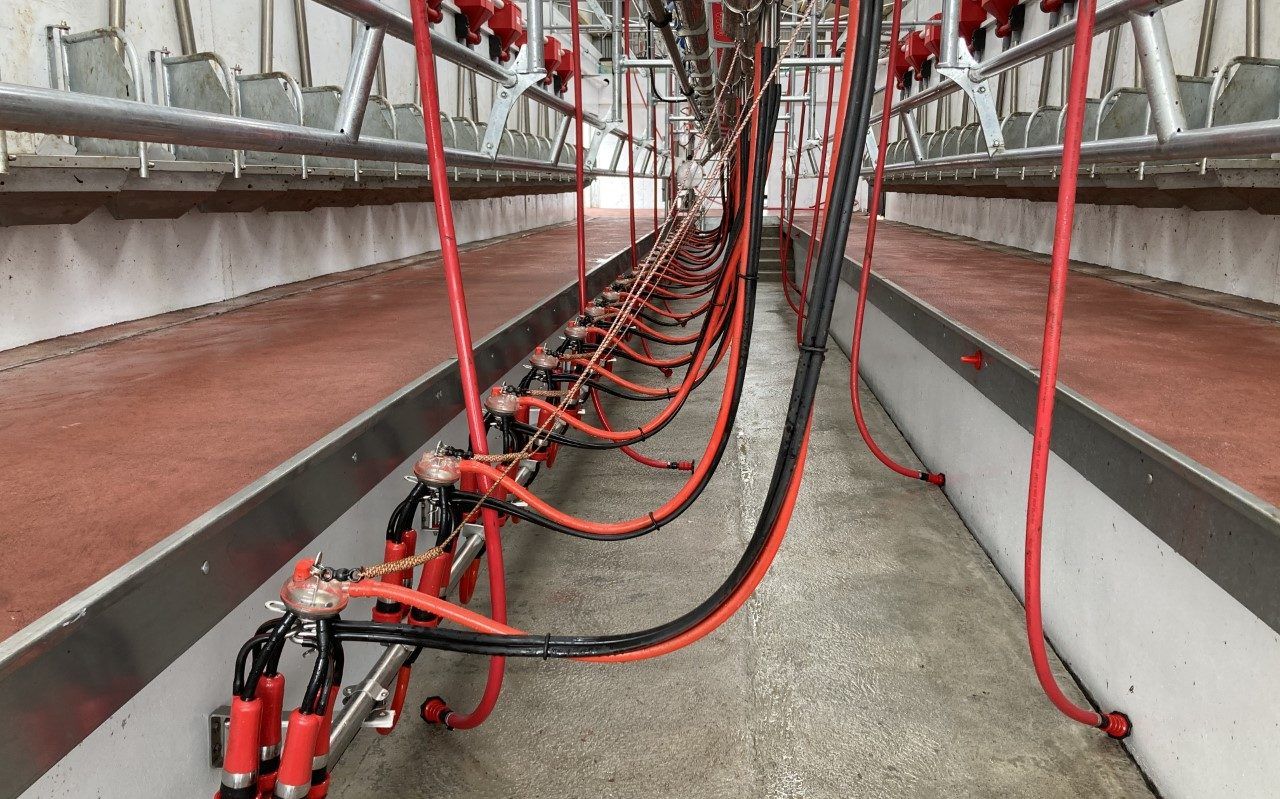
Dairy washings or soiled water is water that has been collected from the milking parlour, collecting yards, washing beet or machinery, and runoff from silage bases.
Soiled water includes water from concreted areas, hard standing areas, holding areas for livestock, and other farmyard areas where such water is contaminated.
The water may become contaminated through contact with livestock faeces or urine, silage effluent, or chemical fertilisers.
If you store your soiled water together with slurry, the regulations consider it as slurry and therefore will be subject to the same rules and restricted periods as slurry.
The following table details storage periods and restricted spreading periods:
| Zone | Storage period for cattle manure | Chemical fertiliser (N and P) | Slurry | Farmyard manure (FYM) |
|---|---|---|---|---|
| Zone A | 16 weeks | September 15 - January 26 | October 1 - January 12 | November 1 - January 12 |
| Zone B | 18 weeks | September 15 - January 29 | October 1 - January 15 | November 1 - January 15 |
| Zone C (Donegal, Leitrim) | 20 weeks | September 15 - February 14 | October 1 - January 31 | November 1 - January 31 |
| Zone C (Cavan, Monaghan) | 22 weeks | September 15 - February 14 | October 1 - January 31 | November 1 - January 31 |
The regulations state that soiled water should not include any liquid with a biochemical oxygen demand (BOD) exceeding 2,500mg/L, or a dry matter (DM) content exceeding 1% (10 g/L).
Usually, the volume of parlour washings produced on farm is 30L/cow/day or 0.21m3/week, or, if your collecting yard does not have a roof over it - which is the case for many farmers - the storage requirement may be 40L/cow/day.
However, in October 2028, this storage requirement will move out to 0.3m3.
Farmers should make sure that their soiled water tanks and slurry tanks are completely separated and that all slurry and water are going into the appropriate tanks to get the most out their storage facilities and to save them running tight on space.
It is also important to have adequate gutters and downpipes redirecting clean water away from the tanks, and it may also be worth considering roofing the tank.