Minister: Wetlands support farmers, communities and fisheries
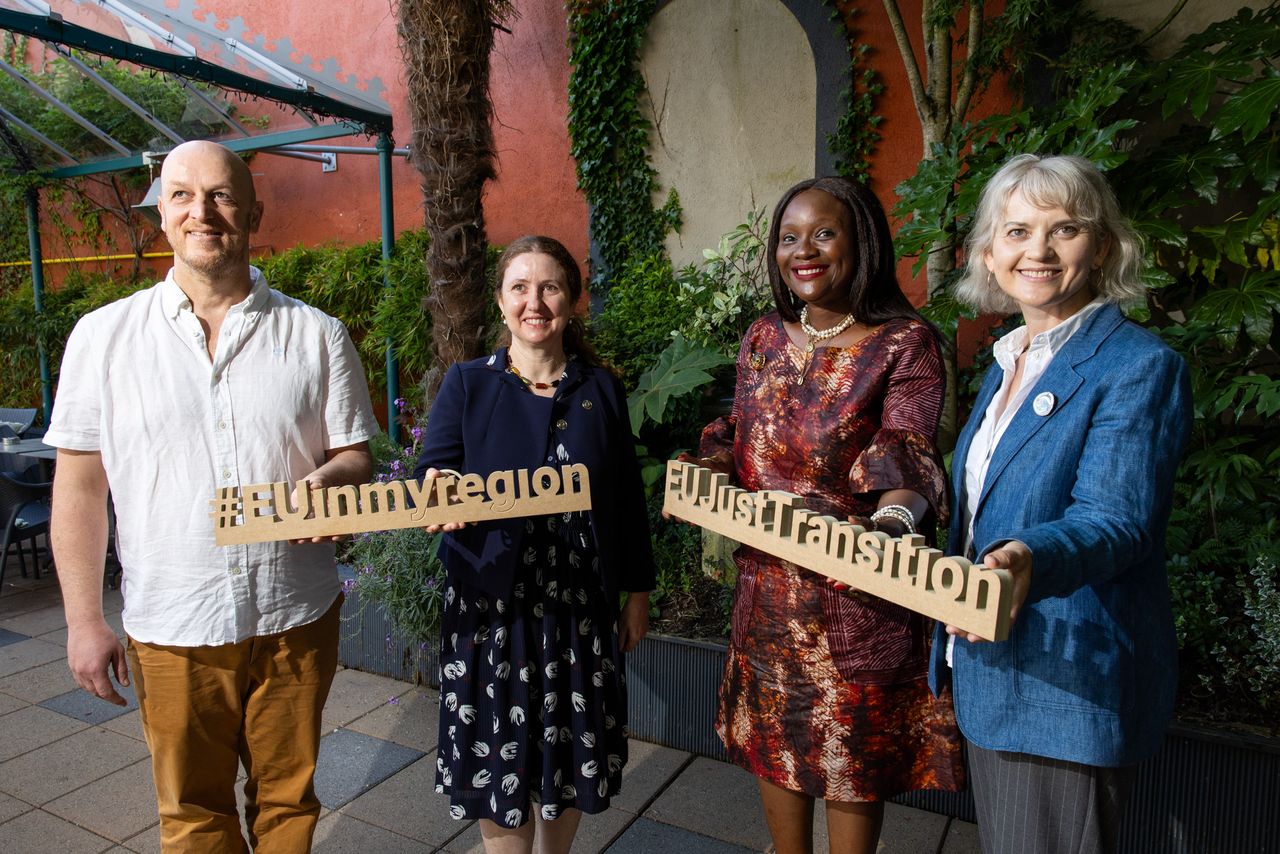
Healthy wetlands play a vital role in improving water quality, reducing flood risk, storing carbon and protecting rare birds and wildlife.
That is according to the Minister of State for Nature, Heritage and Biodiversity, Christopher O’Sullivan.
The minister was speaking at a conference in Laois organised by the Irish Ramsar Wetlands Committee (IRWC) this week.
The Voices and Vision for Ireland’s Wetlands conference in Laois - which brought together national and international voices on wetland protection and restoration - and was delivered in partnership with Tóchar Midlands Wetland Restoration.
Tóchar is a three-year, €12 million wetlands restoration project co-funded by the Irish government and the European Union through the EU Just Transition Fund Programme.
Dr. Musonda Mumba, secretary general of the Convention on Wetlands, told the even that Ireland's wetlands matter far beyond Ireland.
The conference took place amid growing concern from experts about the condition of wetlands globally, including in Ireland.
Ireland has 45 'Wetlands of International Importance' (Ramsar Sites), all of which are recognised internationally for their importance to nature.
However according to the IRWC "decades of drainage and land use change, amongst other factors have significantly reduced the capacity of many Irish wetlands to store carbon, regulate water and support wildlife".
Despite these challenges, the IRWC also highlighted sites and communities that are helping to turn the tide, including Cloncrow Bog Natural Heritage Area in Co. Westmeath, where Active Raised Bog is regenerating following successful restoration works led by the National Parks and Wildlife Service.
The IRWC has emphasised the need to build on this progress through coordinated national action.
Minister of State for Nature, Heritage and Biodiversity, Christopher O’Sullivan, said: “Wetlands are a major part of the solution to today’s environmental challenges and restoring them is a priority in terms of my approach to restoring nature.
"Healthy wetlands improve the quality of our water, reduce flood risk, sequester carbon and protect rare species of birds and wildlife, all of which are vitally important ecosystem services that support communities, farming and fisheries across the country.”
“As work continues to finalise Ireland’s national Nature Restoration Plan, I want to ensure that it helps us scale up and accelerate efforts for our wetlands, in collaboration with landowners and local people for the benefit of both the environment and society.”
Convention on Wetlands
The conference takes place during a visit to Ireland by Dr. Musonda Mumba, secretary general of the Convention on Wetlands.
Dr. Mumba said: “I have seen what happens when wetlands disappear, and what becomes possible when people decide to bring them back.
“Ireland's wetlands matter far beyond Ireland, and the willingness here to get government, communities and scientists working together, and to keep them at it, is where real progress comes from.
“We have a genuine chance now to put wetlands at the centre of climate, biodiversity and water policy, before the damage is done.”
The IRWC said the discussions at the conference will help shape how Ireland integrates wetlands into future sectoral policies. Ireland holds a significant share of Europe’s remaining peatlands.
According to Fernando Fernandez, chair of the Irish Ramsar Wetlands Committee, said: “Ireland’s wetlands are among our most important natural assets, but they are under real and increasing pressure".
As part of the wider programme for the conference international delegates will visit Tóchar wetland sites across the midlands.
Shirley Clerkin, Tóchar project manager, said: “Tóchar reflects how global ambitions under the Convention on Wetlands can be delivered meaningfully at a local level.
"Across the midlands, we are working with communities, partners and landowners to restore wetlands in ways that support biodiversity, climate action and sustainable livelihoods.
“We are asking people to tell us the stories of their relationships with wetlands and their hopes for the future in this special landscape".