Macra calls for more funding in TAMS for water quality measures

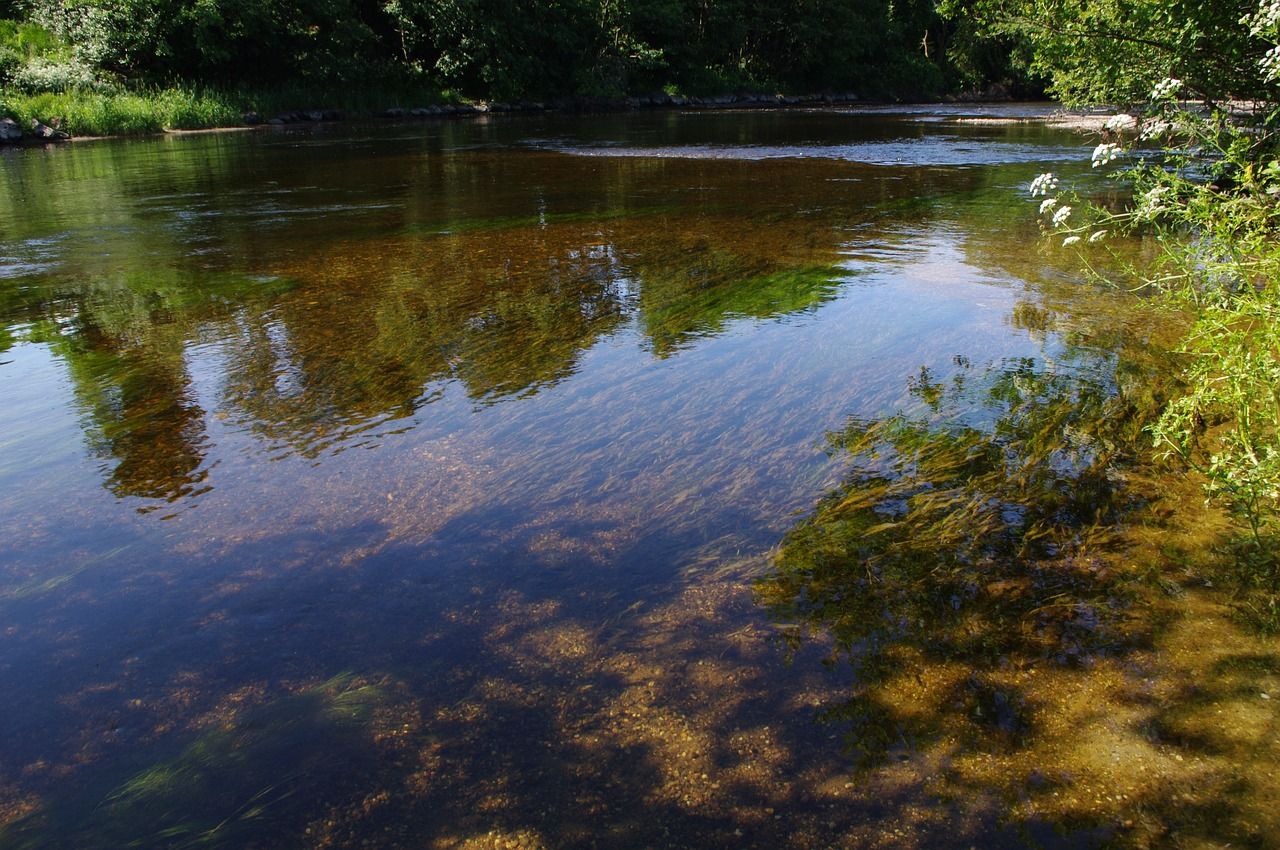
Macra has called for higher funding to be put into the Targeted Agricultural Modernisation Scheme (TAMS) to deliver reductions in nitrates levels in water.
The young farmer organisation said it was disappointed that the latest water quality report from the Environmental Protection Agency (EPA) showed that the efforts and investments made by farmers in recent years are not being reflected in the outcomes.
The organisation said that improving water quality "must remain a top priority", but added that this can only be achieved through "practical evidence-based measures" that support farmers.
According to Macra, young farmers "are committed" to adopting sustainable farming practices and "have demonstrated a willingness to embrace change" where it is supported by advice and funding.
"Young farmers play a critical role as custodians of the land and are central to delivering long-term environmental improvements across rural Ireland.
The organisation noted the "substantial investments" made by young farmers in recent years, including in slurry storage; the adoption of protected urea; investment in low-emission slurry spreading equipment; nutrient management planning; and a range of other measures designed to reduce nutrient losses and improve environmental outcomes.
Macra president Josephine O'Neill said: "Our young farmers have a keen understanding of the significant role we play in protecting water quality.
"In recent years, we have committed to improving water quality by investing in new infrastructure and adapting sustainable farming practices.
"We fully realise the role we play as on-the-ground environmentalists. We understand the importance of water quality and are committed to continuing to work collaboratively with all stakeholders to improve and protect water quality," O'Neill added.
Macra said that, if the government is serious about improving water quality outcomes, it must ensure that farmers have access to the infrastructure and technology needed to deliver those improvements.
The organisation called for increased investment in TAMS, particularly for nutrient storage, slurry management and water protection measures.
According to Macra, many farmers are willing to make further environmental improvements, but the cost of additional storage capacity and infrastructure can be prohibitive without adequate support.
The organisation also reiterated its call for TAMS reference costs to be reviewed and updated to reflect current construction and material costs, ensuring that grant aid remains meaningful and accessible.
Investing in farm infrastructure, Macra said, is one of the most effective ways to "achieve long-term improvements in water quality while maintaining the viability of family farms".
Macra also called for long-term funding commitments for successful water quality initiatives, such as the Farming for Water EIP (European Investment Partnership).
Scientific evidence
The organisation also emphasised the importance of ensuring that future water quality measures "remain grounded in robust scientific evidence and practical on-farm realities".
Macra said that while policy measures should be informed by science, their successful implementation will depend on clear communication, appropriate advisory supports and an understanding of the challenges and opportunities facing farmers on the ground.
Macra called for water quality policy to be shaped through meaningful engagement with "those working on the ground every day", saying that targeted measures will "be far more effective than one-size-fits-all approaches".