June rains boosted potential of UK winter wheat crops - AHDB officer

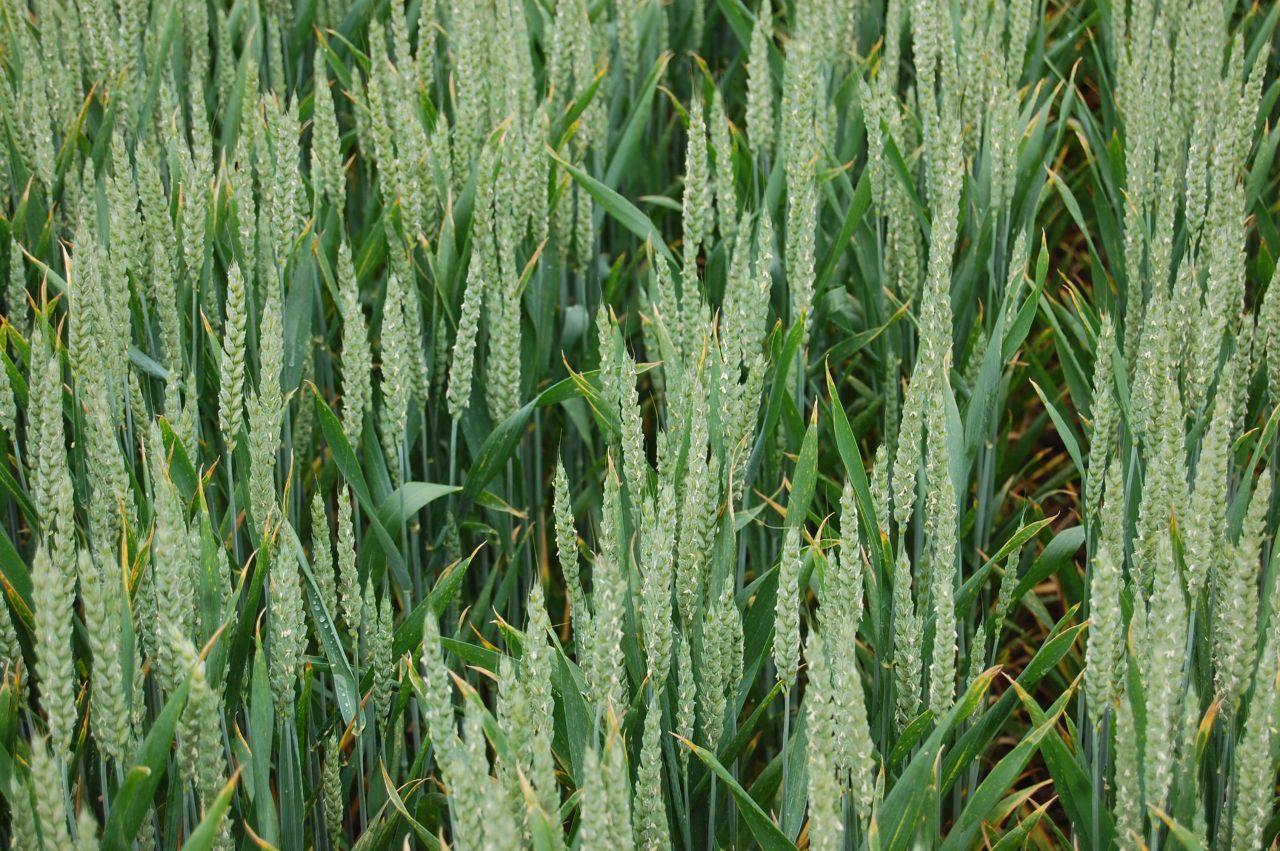
There is general agreement amongst agronomists that the recent rains came at the right time for winter wheat crops across the UK.
The subject was addressed by Agricultural and Horticultural and Development Board (AHDB) cereal trials’ evaluation officer.
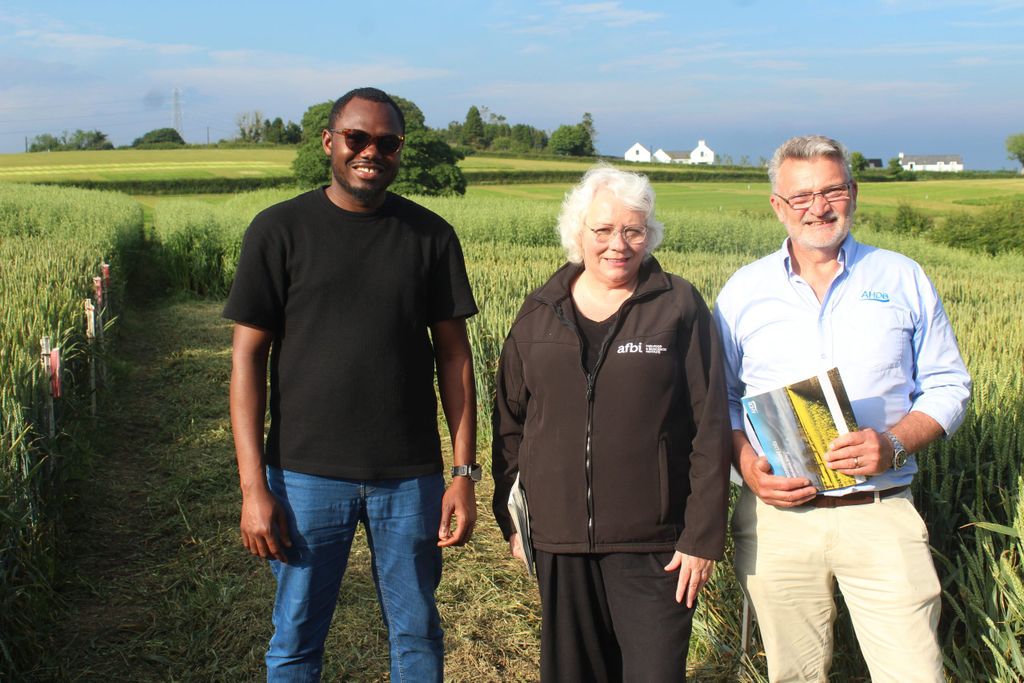
He spoke at the recent Agri-Food and Biosciences’ Institute (AFBI) crops evening, held at the organisation’s Crossnacreevy plant testing station in North Co Down.
Burns said: “Crops needed a drink after the very hot spell at the end of May. And they got it. The jury is still out on final yields.
“But there is every prospect of the rise in soil moisture levels acting to boost all the quality parameters that are assessed when determining the overall quality of wheat crops.”
Wheat breeding is an exciting area of work at the present time.
This follows a number of years when it was very much a case of treading water where this matter was concerned.
“There is every indication that new genetic material that will act to deliver Barley Yellow Dwarf tolerance in wheat," Burns said.
“Delivering high levels of resistance to the new yellow rust variant is also coming down the track.
“All that commercial plant breeders are now waiting for is the best hybrid varietal to insert the new genetic material within.”
Significantly, the AHDB cereal specialist refereed to the new variant of yellow rust, which rose to prominence last year, as much more than a nuisance disease.
He explained: “There are fungicide chemistries available to control the disease.
"But the secret is to have them applied early and to continue on with this process throughout the growing season.
“Wheat growers in East Anglia have applied yellow rust chemistries to their crops five times this year. This includes an ear wash plus application.”
BYDV
Turning to the specific challenge posed by BYDV, Burns stressed the key role that plant breeding will play in providing growers with the means by which the disease can be effectively controlled.
“Using an aphicide is the other alternative. But these only work if aphids containing the BYDV virus are in the field at time of spraying," he said.
AHDB is confirming that a number of winter wheat varieties with claimed BYDV resistance are now included within the organisation’s varietal trial assessment process.
However, all issues relating to this matter should be taken up with the plant breeder directly.