ILEA condemns Dutch allegations against Irish calf exporters

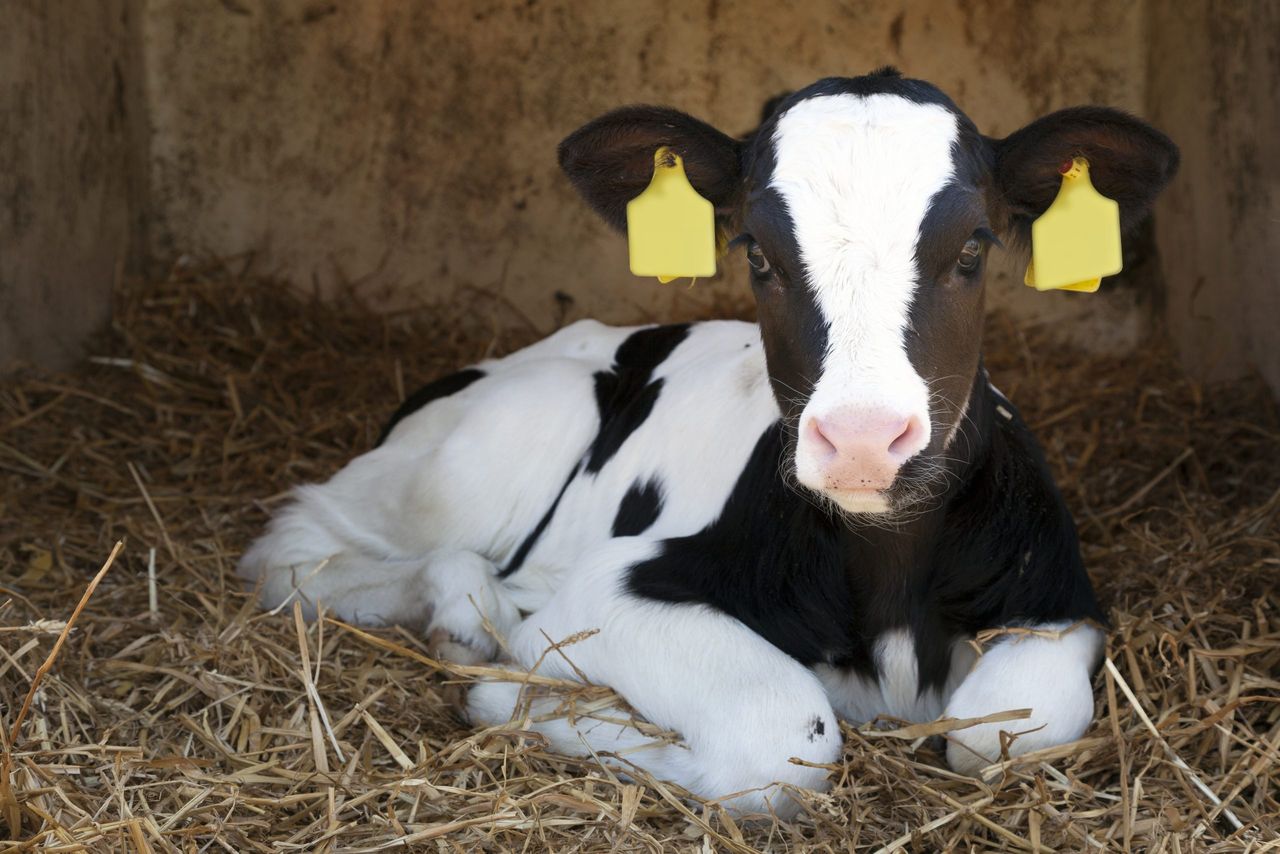
The Irish Livestock Exporters Association (ILEA) has condemned allegations made by the Netherlands Food and Consumer Product Safety Authority (NVWA) against Irish calf exporters "as legally baseless and politically motivated".
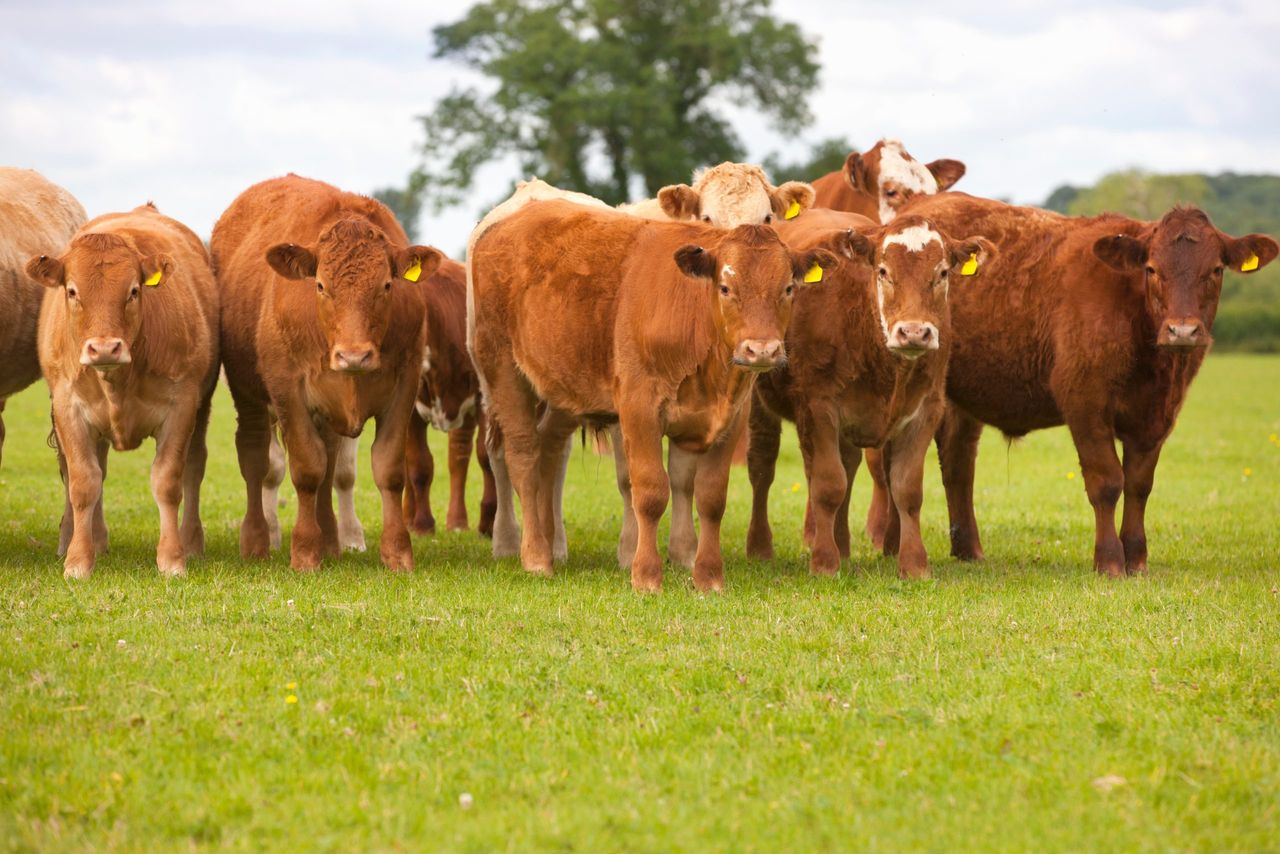
Last week, the NVWA confirmed plans to impose fines on four Irish companies that transport calves to the Netherlands.
The authority claimed the young calves are not being adequately fed while being transported from Ireland to the Netherlands.
The NVMA also said trucks are "not equipped with suitable feeding systems to provide warm milk" to calves.
The agency said it was following the advice of the European Food Safety Authority (EFSA).
Exporters
However, the ILEA said the claims underpinning the NVWA’s threat of penalty payments against the Irish transport companies are "without foundation in current EU law, misrepresent the status of EFSA’s scientific opinions, and constitute an unjustified attack on Ireland’s legitimate livestock-export trade".
"The NVWA has asserted that unweaned calves must receive milk at intervals not exceeding 12 hours during transport, citing EFSA advice as justification. This assertion is incorrect as a matter of applicable law," the association said.
The exporters said current EU legislation on the protection of animals during transport "contains no provision requiring that calves be fed milk every 12 hours" nor is there an obligation to install specialised milk-feeding equipment on vehicles.
"The EFSA statements referenced by the NVWA appear in the context of the European Commission’s proposal to repeal and replace Regulation (EC) No 1/2005, which remains under negotiation in the European Parliament and Council. That proposal is not law," the association said.
ILEA
The ILEA reiterated that Irish exporters operate in full compliance with all applicable national and EU welfare controls.
The association criticised the "timing, tone and substance" of the NVWA warning, adding it was "consistent with a broader pattern of activist‑NGO pressure aimed at undermining Ireland’s live‑animal export sector".
The ILEA called on the Irish government and the Department of Agriculture, Food and the Marine (DAFM) to "publicly reject the NVWA’s interpretation" of the EU animal transport legislation.
The association added that it remains "vigorously opposed" to the European Commission’s current proposal to repeal and replace Regulation (EC) No 1/2005.
It believes such a move "would impose unworkable operational requirements, undermine the viability of live‑animal exports from peripheral regions such as Ireland, and exceed what is necessary to secure high animal‑welfare standards".
The association said it continues to engage with the European Parliament, the Council, and the Commission to secure the withdrawal or substantial amendment of the proposal.
"This is an attack on Irish livestock exports, dressed up as enforcement," an ILEA spokesperson, said.
"It is without foundation in law, without authority in the current regulation, and it should be condemned as such.
"The ILEA will not stand by while Irish exporters are targeted by measures that have no basis in EU law and that seek to deliberately disinform the general public and achieve through regulatory pressure what cannot be achieved through democratic legislation," the spokesperson added.
Agriland has contacted the NVWA for comment.