How to best fund the 2026/2027 growing season

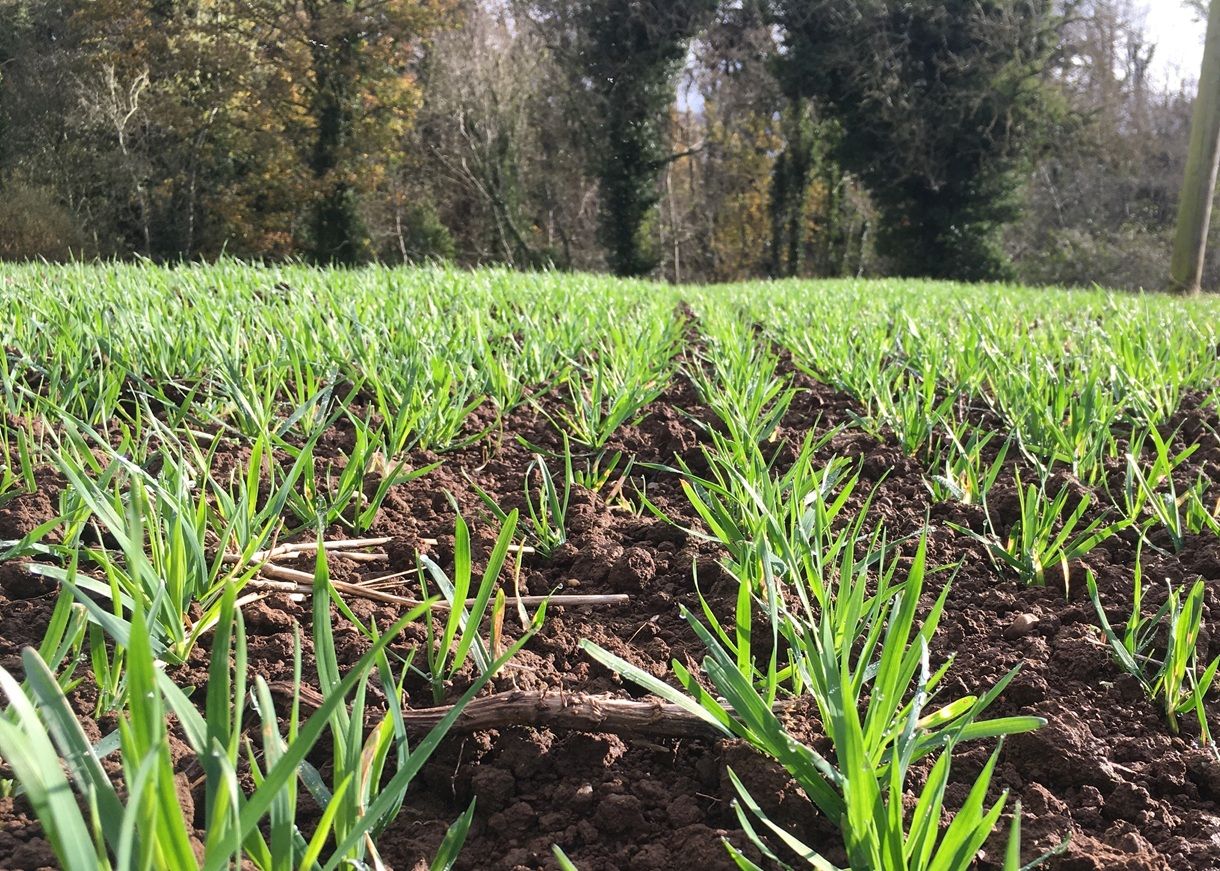
The coming weeks will provide tillage farmers with an opportunity to assess how they can best fund the 2026/2027 growing season.
The good news is that the period since the beginning of September has allowed tillage farmers to secure all of their winter cereal planting targets with ease.
Crops are looking well and the spring of 2027 beckons.
The question now becomes that of ensuring that yields are maximised in the most cost-effective way possible.
Cost increases
This will be taking place against the challenge of ever-more expensive inputs.
For example, Teagasc has confirmed that the cost of growing a spring barley crop has increased by more than 40% since 2021.
The biggest increase in costs has come from fertiliser and machinery costs, but increases have come across all inputs and this is increasing pressure on tillage farmers.
In Teagasc’s 2021 Costs and Returns figures, CAN+S was priced at €235/t. For 2027, CAN+S is projected to cost more than €500/t.
At today’s input costs, there is little margin for error; put simply, there is no room for a poor crop.
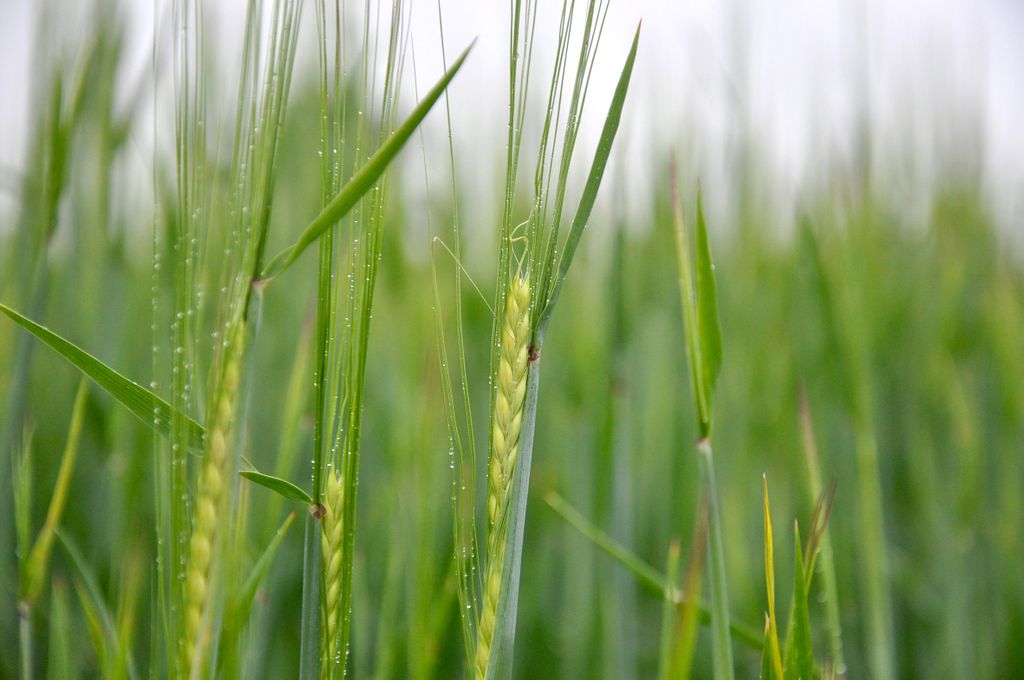
Nearly half of the tillage area for the 2027 harvest is already in the ground.
Farmers will now be planning how to fund the season and manage cash flow. Once a crop is planted, the costs are committed.
In 2021, €50,000 would have covered the cost of growing 122ac of spring barley. Based on current projections for 2027, the same amount would cover just 86ac; 30% less.
A beef farmer facing higher costs might choose to find the extra money to buy the same number of cattle or buy fewer cattle.
Tillage farmers, however, face a different choice. If they intend to sow the same area, they must find the additional capital to do so. That can create significant cashflow pressure.
According to Teagasc tillage specialist, Ciaran Collins, growers should start the conversation early with their bank and and agri merchant.
"Seasonal or stocking loans are generally the cheapest source of finance.
“Some merchants offer fertiliser deals and flexible payment terms.”
Collins also advised that paying up front can often secure a better price, and merchant credit can be expensive.
However, he recognised that land, machinery and other farm costs must also be paid for, "so there is a delicate balance to be struck".
“A cash flow budget can help you balance these demands and decide how much working capital will be required and when it will be needed," he said.
Growers can also use the Teagasc Crops Costs and Returns booklet plus their own records to calculate how much finance they will need for the 2026/2027 season.
The next step is to put the sources of finance in place, starting with the cheapest.