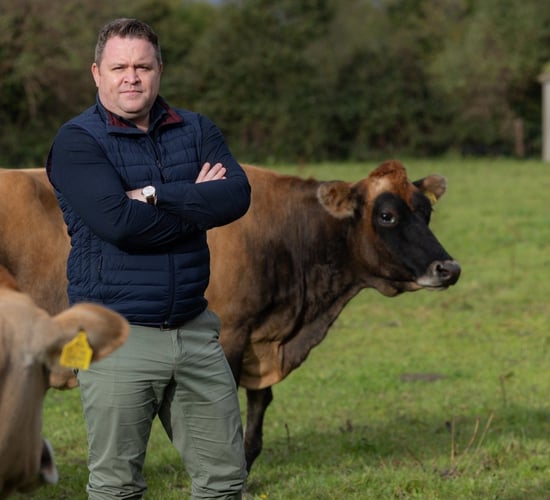
How much space is required at housing to meet target weights?

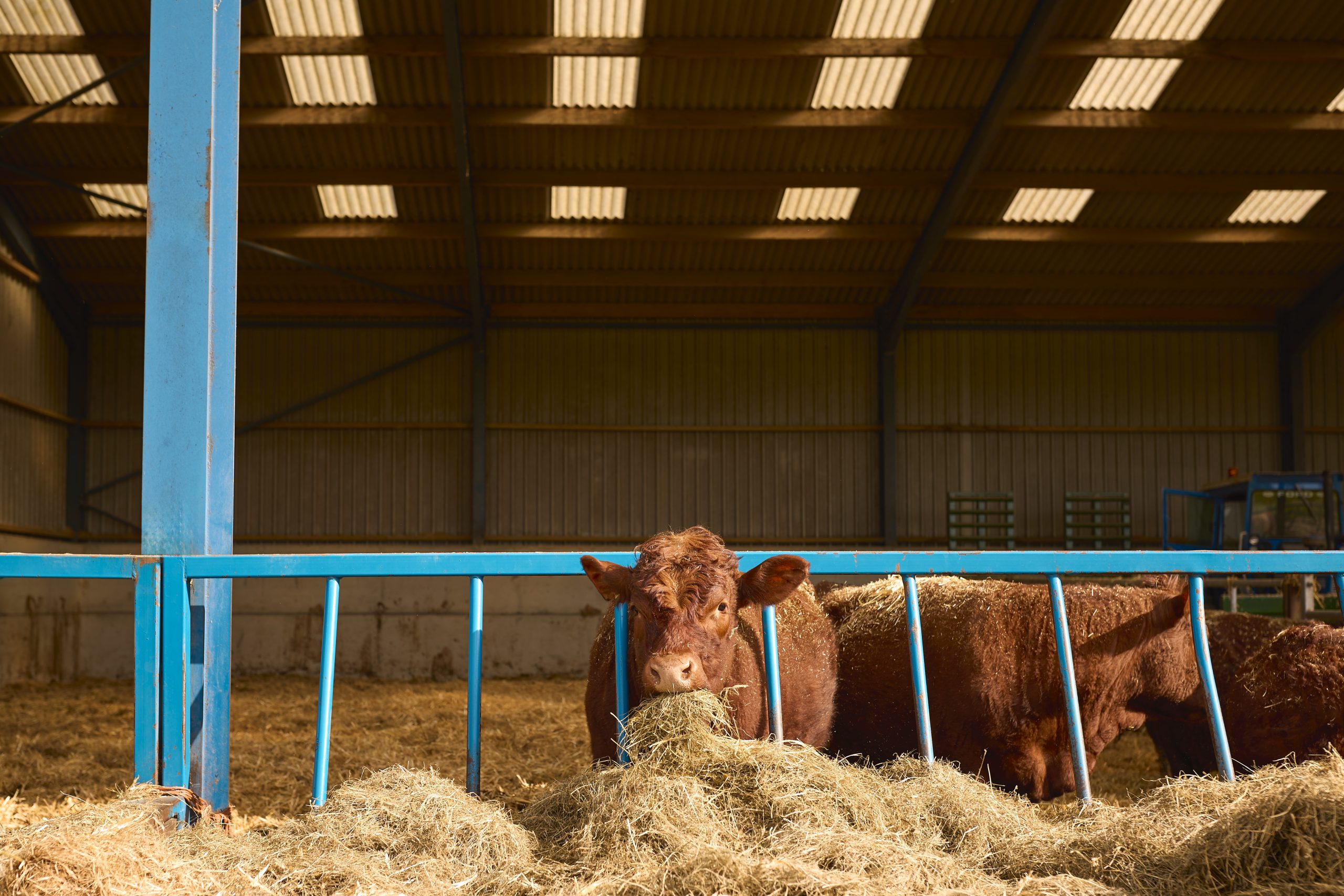
Over the winter housing months, it is vital to ensure your cattle have enough space and water to be able to thrive.
Overcrowding leads to stress and restricts movement, which in turn affects feed intake and can cause further problems such as lameness, metabolic issues, and thriving diseases and infections.
Ensuring your animals have enough of both feed and lying space will help them achieve their daily liveweight gain targets.
How much space is enough?
Cattle are already housed, but alterations may need to be made to the arrangements, such as regrouping or removing animals from pens to try and ensure there is adequate space.
Ideally, smaller cattle under 275kg need 1.2–1.5 m2/head of space for the winter, while cattle over the 275kg mark will need 2.0–2.5 m2/head.
However, when you are calculating the space needed, it is important that it is based off target weights, as if you go off current weights, overcrowding will become an issue as cattle grow over the winter, and realistically, as that happens, a lot of farms will not move them to other pens.
It is also important to consider how the required space for your suckler cow will be different if she has a calf at foot.
Consider the animals' diet and size when calculating feed space for your herd.
For example, if you are feeding weanlings with concentrates or restricted silage, you should allow 400-500mm/head to ensure all animals can eat at the same time.
However if you are feeding the animals an ad-lib diet, they can manage with 225–300mm/head.
Teagasc recommends the following space allowances (m2/animal);
| Animal type | Feed space (mm) | Slatted floors(m2) | Straw bedded(m2) |
|---|---|---|---|
| Suckler cows | 500-700 | 2.5-3.0 | 5.0 |
| Cattle 220-330kg | 300-400 | 1.2-1.5 | 1.8-3.0 |
| Cattle 310-450kg | 400-600 | 1.5-2.0 | 2.4-3.0 |
| Finishing cattle 500-750kg | 600-700 | 2.2-2.7 | 4.0 |
Water
Water is another vital component in ensuring cattle are meeting their target weights this winter.
Cattle can drink up to 15L of water for every 100kg of liveweight, especially when they are on a high dry matter diet.
Water requirements at different weights are as follows:
| Liveweight | Water requirement/day |
|---|---|
| 100kg | 15L |
| 200kg | 30L |
| 300kg | 45L |
| 400kg | 60L |
| 500kg | 75L |
Ensure you have enough water available for the herd to be able to drink these required volumes, with adequate space for 10% of all cattle to be able to drink at once.
Clean out the water trough regularly, as the water can become contaminated with feed stuff or become stale and stagnant.
If cattle are flicking water at troughs with their tongue, it can be an indication that the water has a foul taste and needs to be changed.
Air ventilation is also crucial to ensure cows are healthy during the housed period, as is ensuring beds are clean and dry.
Remember, cattle are usually housed for more than a quarter of the year, so their environment needs to be in top standards to ensure maximum productivity.