
Advantage Beef Programme

Wesley Browne is suckler farming in Co. Monaghan between Ballybay and Monaghan town.
The farm consists of 85 suckler cows, all of which are in a spring-calving system.
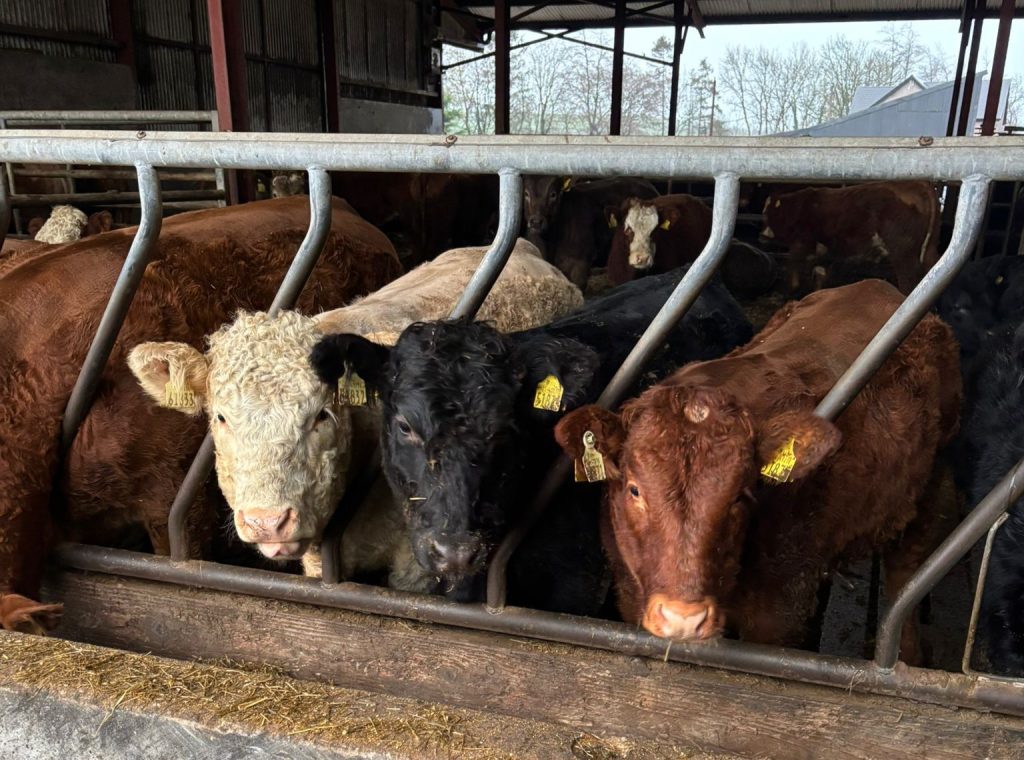
All progeny are home-bred and the only cattle bought-in on the farm are the stock bulls.
This year, the three bulls used for breeding were Angus; Salers; and Simmental.
A Limousin bull was purchased recently also and will be hopefully used in the 2026 breeding season.
The primary objective is to produce high-maternal breeding females.
These which are kept for replacements and the surplus are sold to repeat customers.
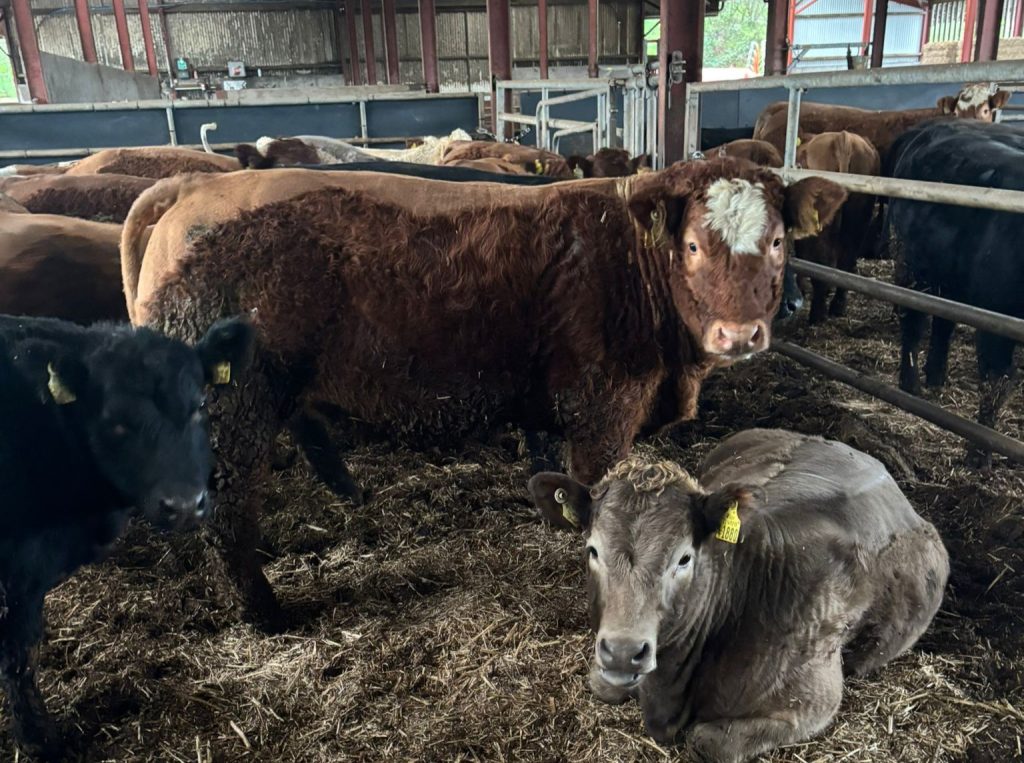
Wesley explained that some farmers are purchasing his heifer weanlings for over 10 years and are happy with their performance when bred back to a terminal sire.
There is big emphasis placed on making good breeding decisions on the farm, and Wesley's attention to detail is plain to see in the progeny being produced.
The next step for Wesley is now looking at the myostatin traits of his cows on the Irish Cattle Breeding Federation (ICBF) HerdPlus tool and matching the cows to each of the bulls.
He calves all replacement heifers down at 24-months-of-age and has been doing so since 2010.
The cows are due to start calving in 2026 on February 20 and calving will be completed by mid-April.
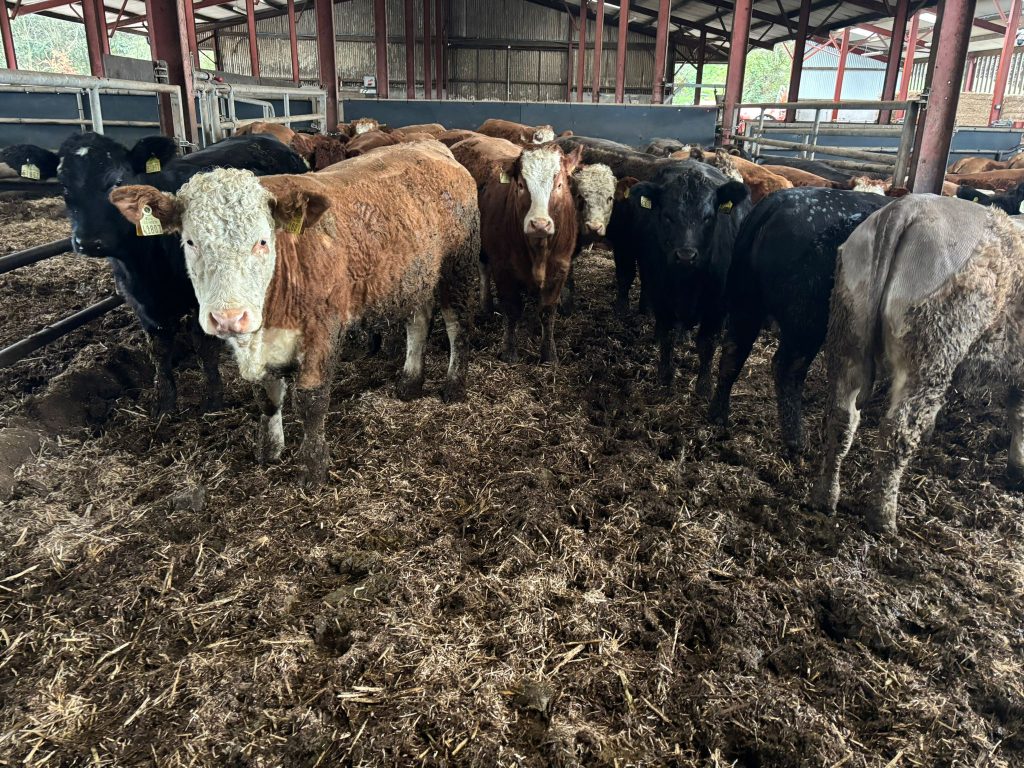
The replacement index for the suckler herd cows is €125 compared to the national average of €101.
Bull beef
All male progeny produced on the farm are finished as under-16-month bull beef with cattle slaughtered at ABP's site in Clones, Co. Monaghan.
Last year, the bulls had an average grade of 'U=3+' and an average carcass weight of 425kg at an average slaughter age of 15.3 months.
The performance would suggest the focus on high replacement traits is not compromising on the beef performance of the herd.
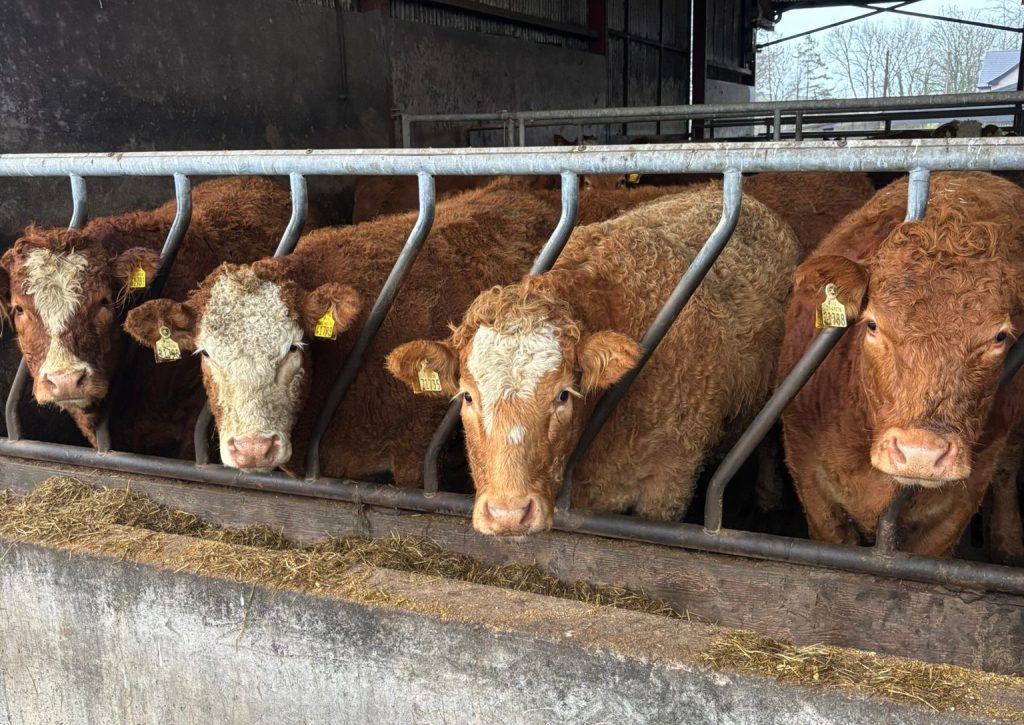
At the start of December, the spring-2025-born weanling bulls had an average weight of 350kg and the target lifetime gain from birth to slaughter is 1.55kg/head/day.
These bulls are currently being fed silage with a dry matter digestibility (DMD) value of 75% as well as 4kg/head/day of ration.
The amount of ration being fed will be gradually built up to 10kg/head/day by mid-February and the target will be to slaughter the bulls in late May and early June.
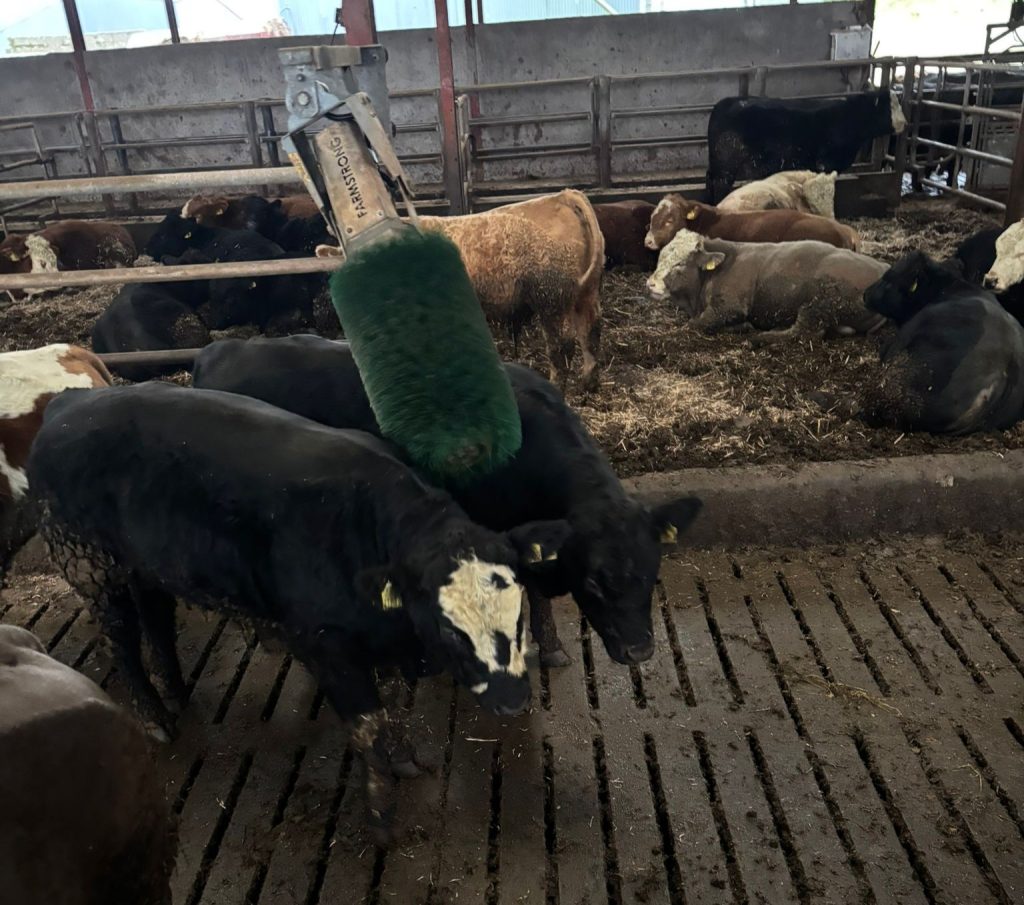
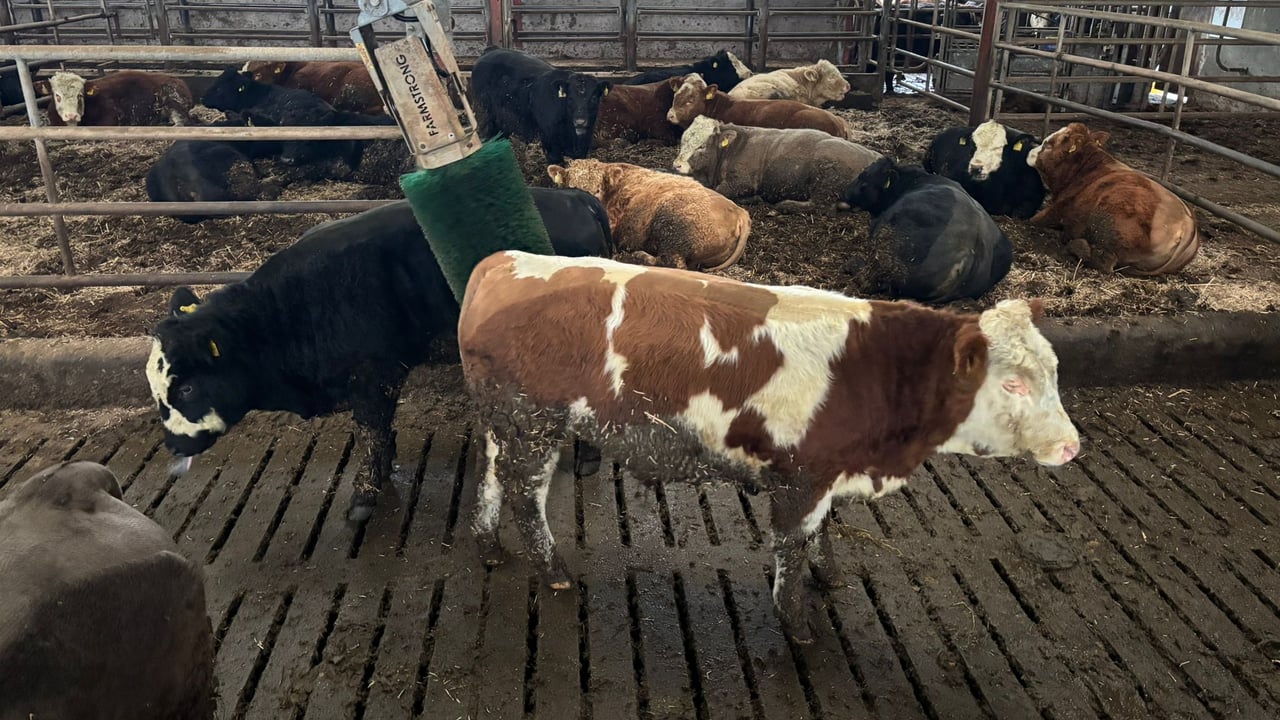
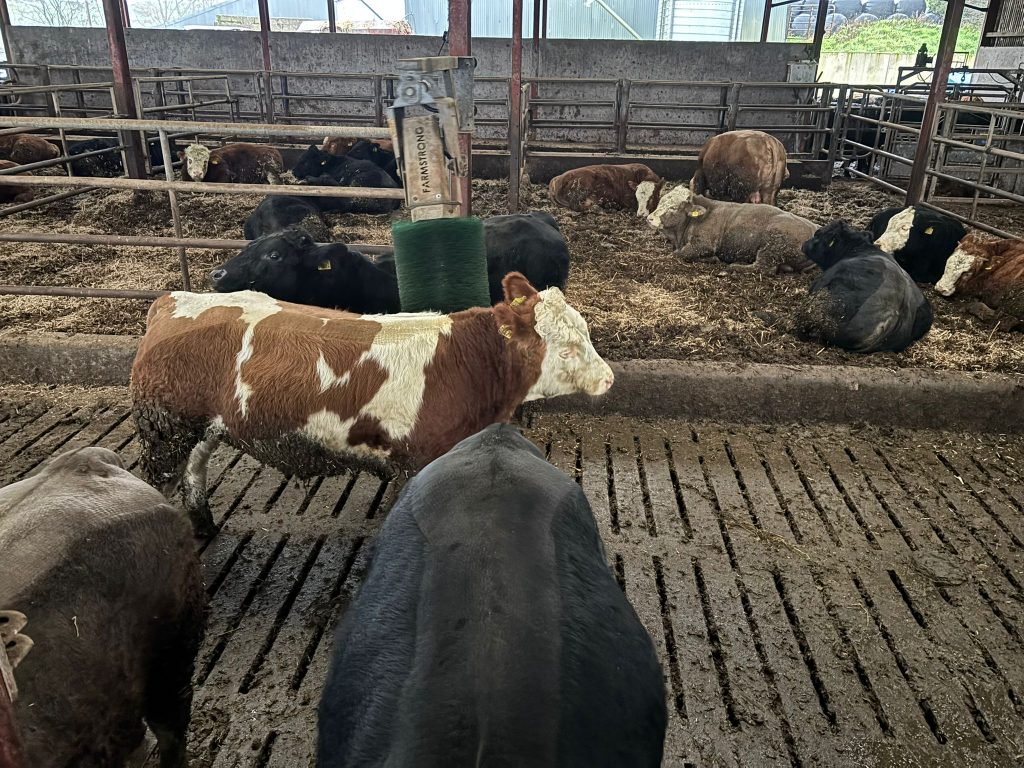
Wesley installed motorised cattle brushes in the cattle pens recently and said he is seeing a great return from these in terms of the average daily liveweight gain (ADG) of his cattle.
The bulls in the pens with the motorised brushes are extremely content, cleaner and have less problems with lice, according to the Co. Monaghan farmer.
The brushes have been installed since 2023, and Wesley feels like it has brought a big improvement in bull performance since.
He places a big emphasis on measuring and recording as much as possible. He weighs all cattle 3-4 times/year and stores all the data on Agritxt.
He makes management decisions based on the data recorded and said if a cow is not performing, he can see all her figures on the phone, identifies the cow, and culls it.
The weights of the bulls are ahead of target this year.
According to Wesley, 2025 has been a good year for his system from a performance, grass growth, and financial perspective.