Heatwaves impact winter and summer crops across Europe

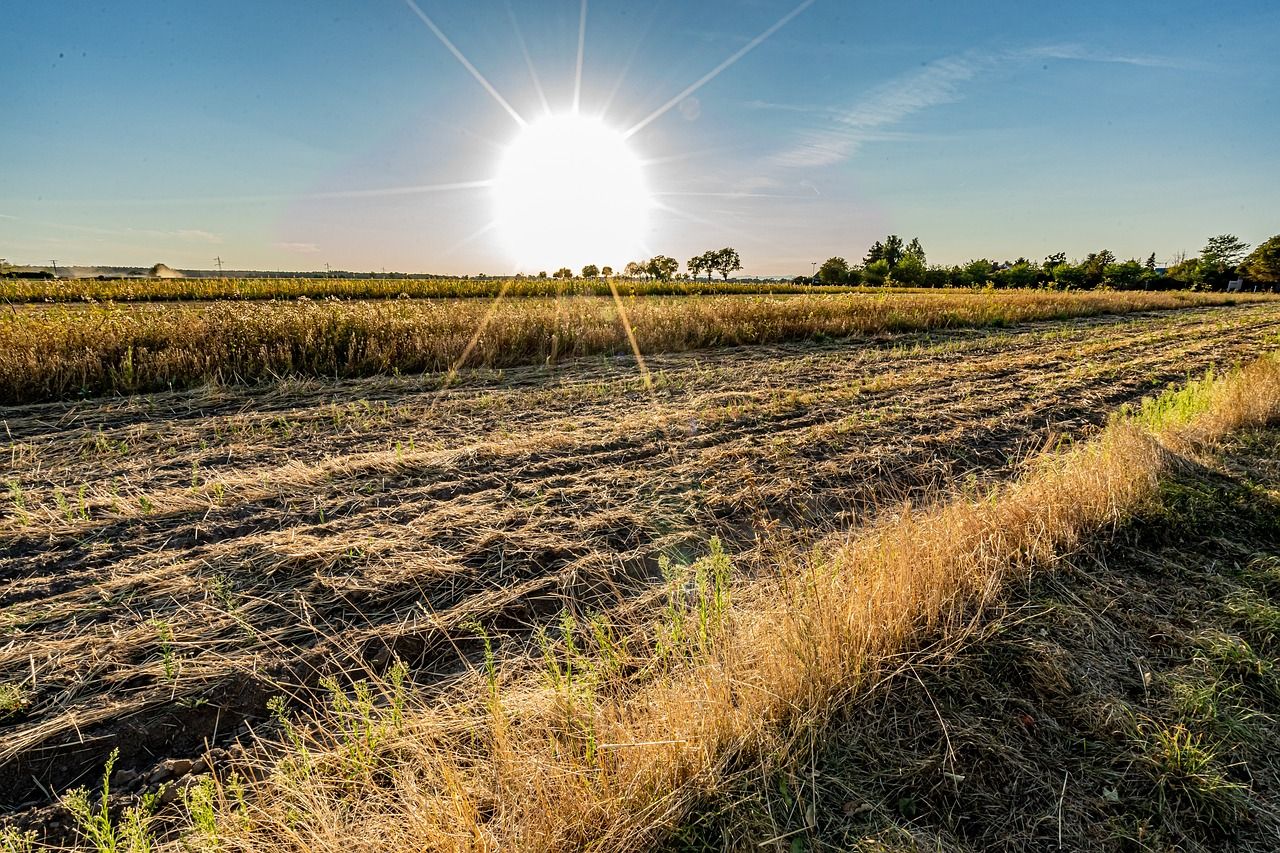
Recent heatwaves have severely impacted many winter and summer crops growing across Europe, according to Brussels.
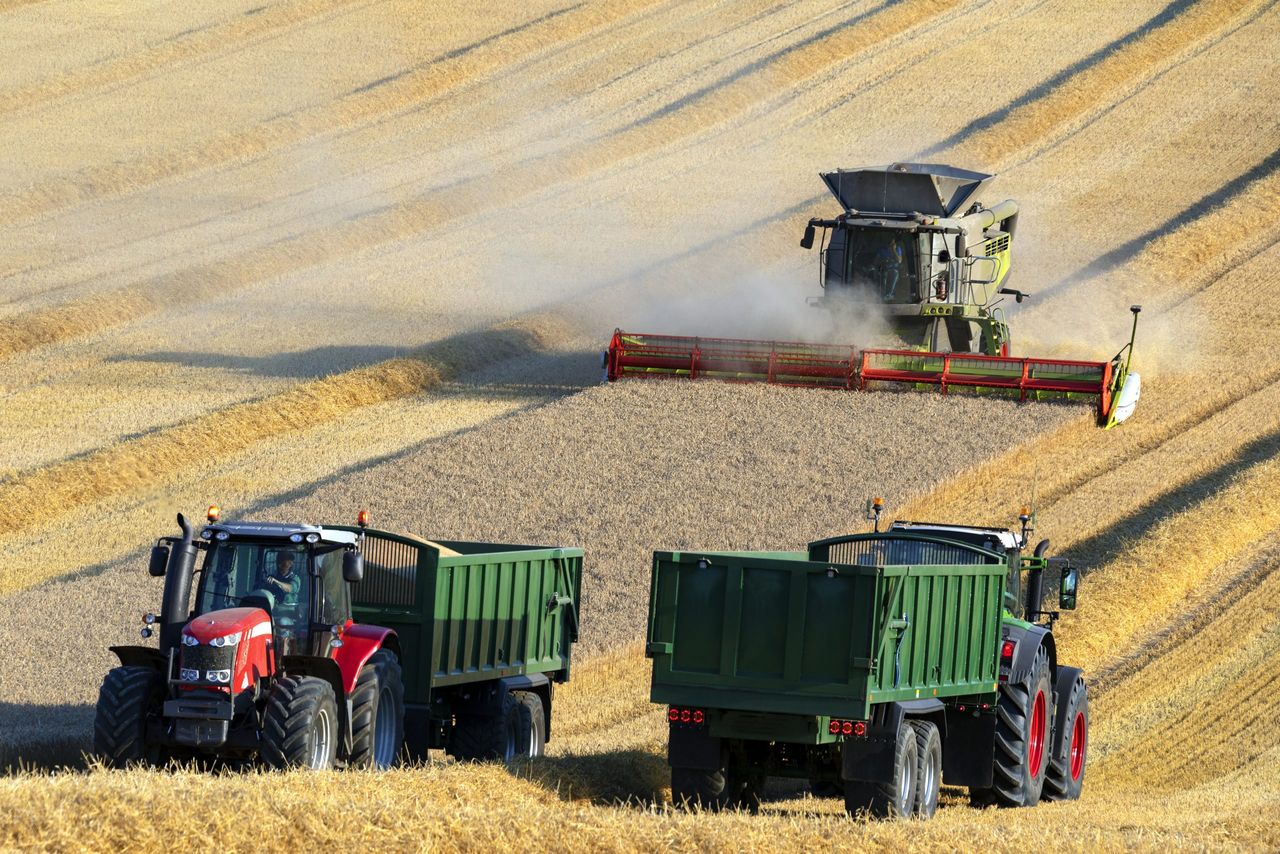
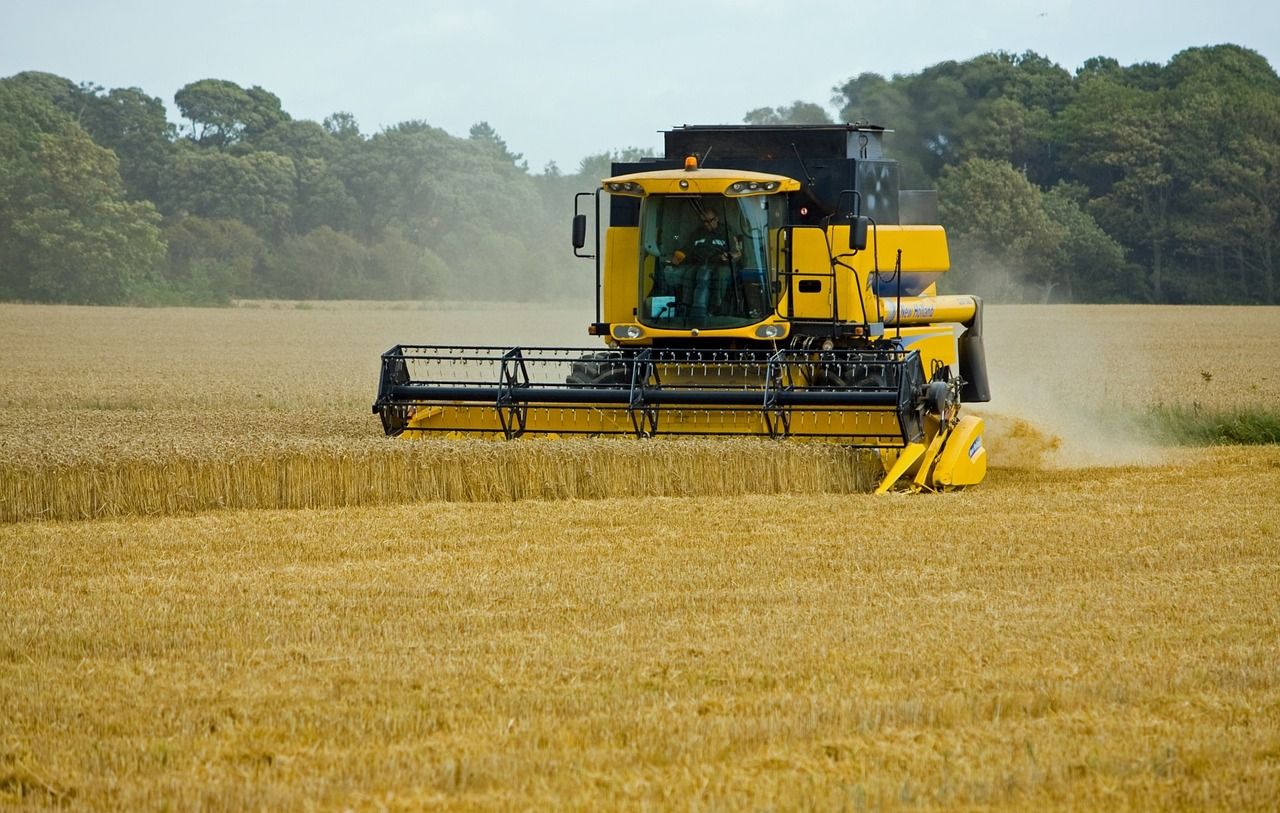
In essence, the continuing dry weather shortened the grain-filling phase of winter crops and brought forward the harvest, which has already been completed in the south and is progressing elsewhere.
EU yield forecasts for winter crops have been revised downwards by 1-4%, leaving the outlook for total cereals at 1% below the five-year average.
For summer crops, exceptional heat and limited rainfall across western and central Europe has depleted soil moisture, constrained biomass accumulation and affected flowering.
Yield forecasts have been reduced by between 6-7% for all spring and summer crops, most notably for grain maize and sunflowers.
Hot and dry conditions are forecast to persist in Western Europe, increasing the likelihood of further yield reductions.
Heat stress
In France, successive heatwaves with record-high temperatures, combined with limited soil moisture, negatively affected the final growth stages of winter crops and the development of summer crops.
The clearest impacts observed in western regions where heat stress coincided with limited water availability.
Nevertheless, generally adequate soil moisture reserves and irrigation in some areas still provide scope for crop recovery, while the south-east was less severely affected.
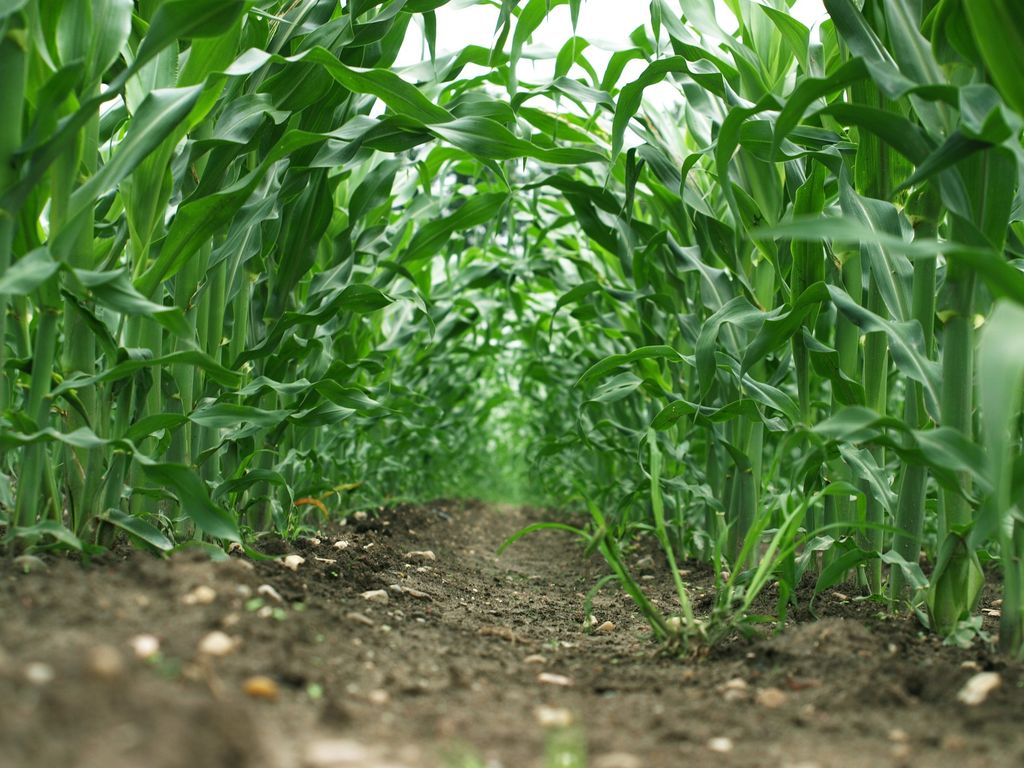
Maize crops have been most affected by drought conditions in parts of Italy.
Here, crop growth has been suboptimal following heat stress during flowering.
As a consequence, early-flowering varieties may have experienced reduced fertility. The largest impacts are expected in non-irrigated fields.
Meanwhile, intense heat in Hungary and Western Romania has depleted already low soil moisture, exacerbating severe drought conditions.
The strongest impacts have been observed in Hungary, where both winter and summer crops have been affected, while impacts in western Romania are generally less severe.
Storms
In contrast, above average rainfall may delay harvesting, reduce grain quality and favour the development and spread of diseases in parts of northern Poland and neighbouring regions.
Meanwhile, significant storms have recently been reported across northern Italy, Slovenia, Croatia and Germany.
Strong wind gusts, downbursts and hail have caused lodging and other physical damage to summer crops.
In Ireland, the 2026 grain harvest is projected to be between 75% and 80% complete. A significant proportion of the spring barley acreage has yet to be combined.
However, it is already known that Irish winter barley yields are well down on five-year average figures.