Gas pipes through farmland need a cautious approach

Northern Ireland's high-pressure, natural gas network is made up of both transmission and distribution pipelines.
GNI (UK) and Mutual Energy own and operate sections of the transmission network, which carries gas across the country, often through rural areas and farmland.
The distribution networks, which comprise smaller pipelines delivering gas to homes and businesses in towns and cities, are operated by Phoenix Energy, Evolve and Kinecx.
GNI (UK) owns and operates approximately 250km of high-pressure gas transmission pipeline in Northern Ireland. It crosses land belonging to over 850 landowners.
At a recent meeting hosted by GNI (UK) for landowners along its pipeline routes, to promote safety awareness and to prevent accidental strikes on underground gas pipelines, GNI (UK) said it placed a strong focus on ensuring the pipelines were fully maintained.
GNI (UK)’s said its high pressure transmission pipelines are subject to a rigorous pipeline management and maintenance to support their long-term operational readiness.
This includes the use of internal imaging equipment, which has an ability to identify the very smallest of aberrations that develop within the system.
This assertion has been backed up by experiences also gleaned in the Republic of Ireland and the rest of the UK.
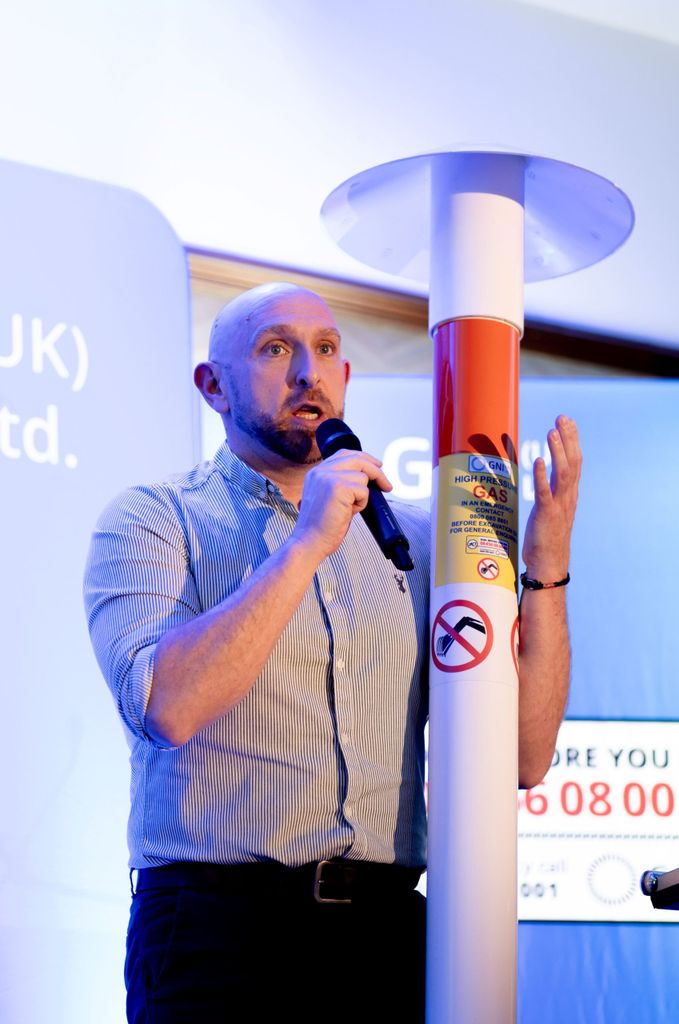
The point was discussed by GNI (UK) operations’ manager, Paddy Conway.
“The imaging equipment travels the length and breadth of the pipeline," he said.
“It will pick up the smallest possible anomaly, which allows our operations team to act accordingly.
“Maintaining the highest health and safety standards is our number one priority and we will always act to ensure these are maintained.”
But the biggest threat to the gas pipeline is that of third party operators carrying out ground disturbance work within the wayleave area that adjoins it.
Activities that require particular care near gas pipelines include the cleaning out of drains, the establishment of new fencing systems, the storing of bales and the planting of trees.
“Where the planting of trees is concerned, their roots can enmesh an adjacent pipeline over a period of years," Conway added.
“However, routine agricultural work, including ploughing, tilling, and sub soiling to a depth of 300mm can continue as normal.”
In all cases prior to carrying out ground works, landowners are encouraged to contact GNI (UK); the freephone number is 08456 08 00 66.
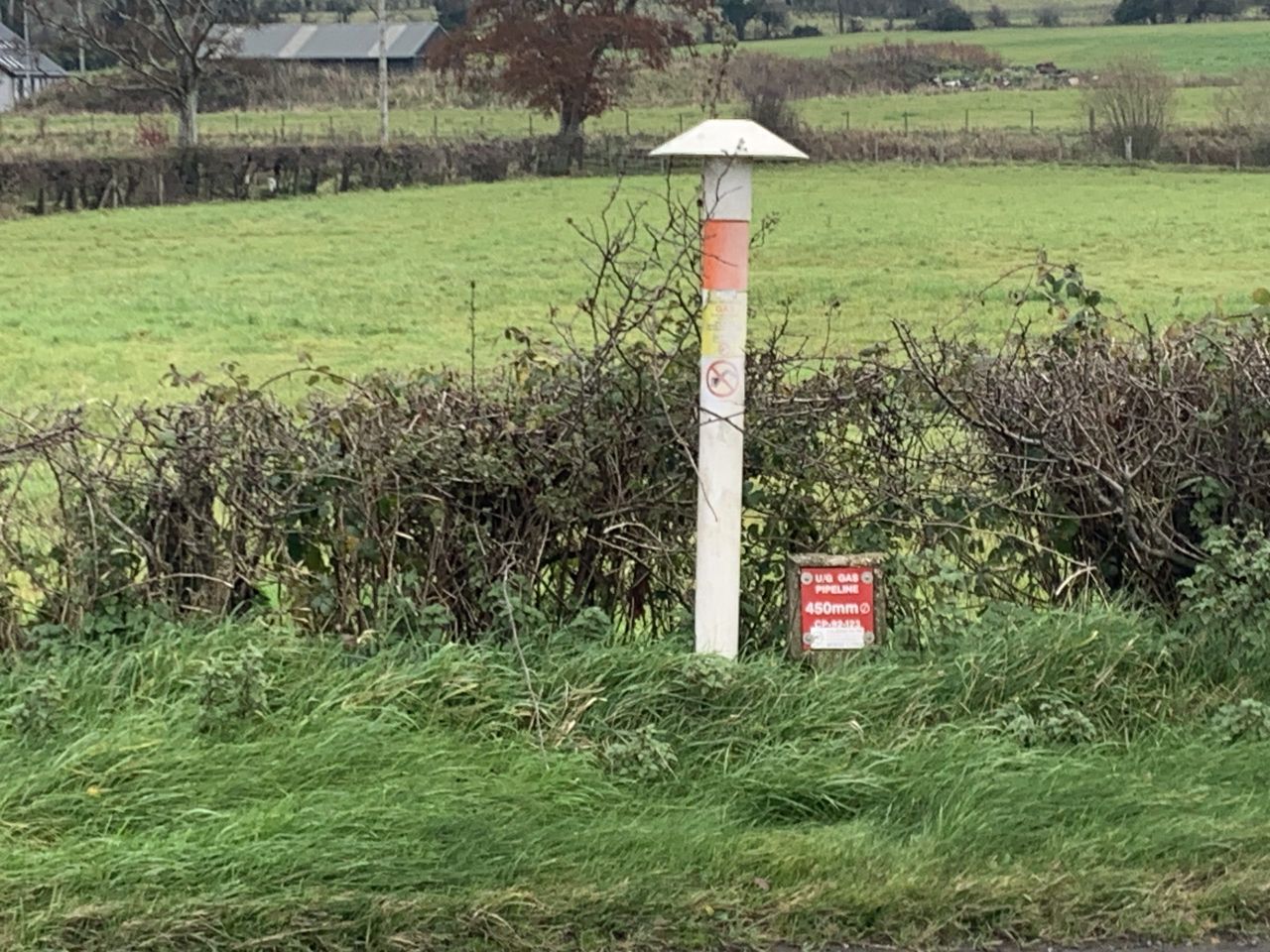
The location of gas pipelines is indicated by marker posts at roads and property boundaries, but it can never be assumed that the pipeline runs in a straight line from marker post to marker post.
If necessary or requested, a GNI (UK) representative will visit a property or site to locate and mark out the pipeline while also giving advice on what type of work can be carried out.