Fertiliser company Yara reports jump in net income for Q2 2026

Fertiliser company Yara has reported second quarter (Q2) 2026 EBITDA (Earnings Before Interest, Taxes, Depreciation, and Amortisation), excluding special items, of $906 million compared with $652 million in Q2 2025.
Net income for the quarter was $545 million compared with $413 million a year earlier.
Other highlights of the Q2 2026 financial report include:
- High margins drive strong Return on Invested Capital;
- Volatile nitrogen prices delay off-season demand in Q2, European and global market activity picking up in July;
- Acquisition of Gulf Coast Ammonia advances Yara’s ammonia and energy strategy.
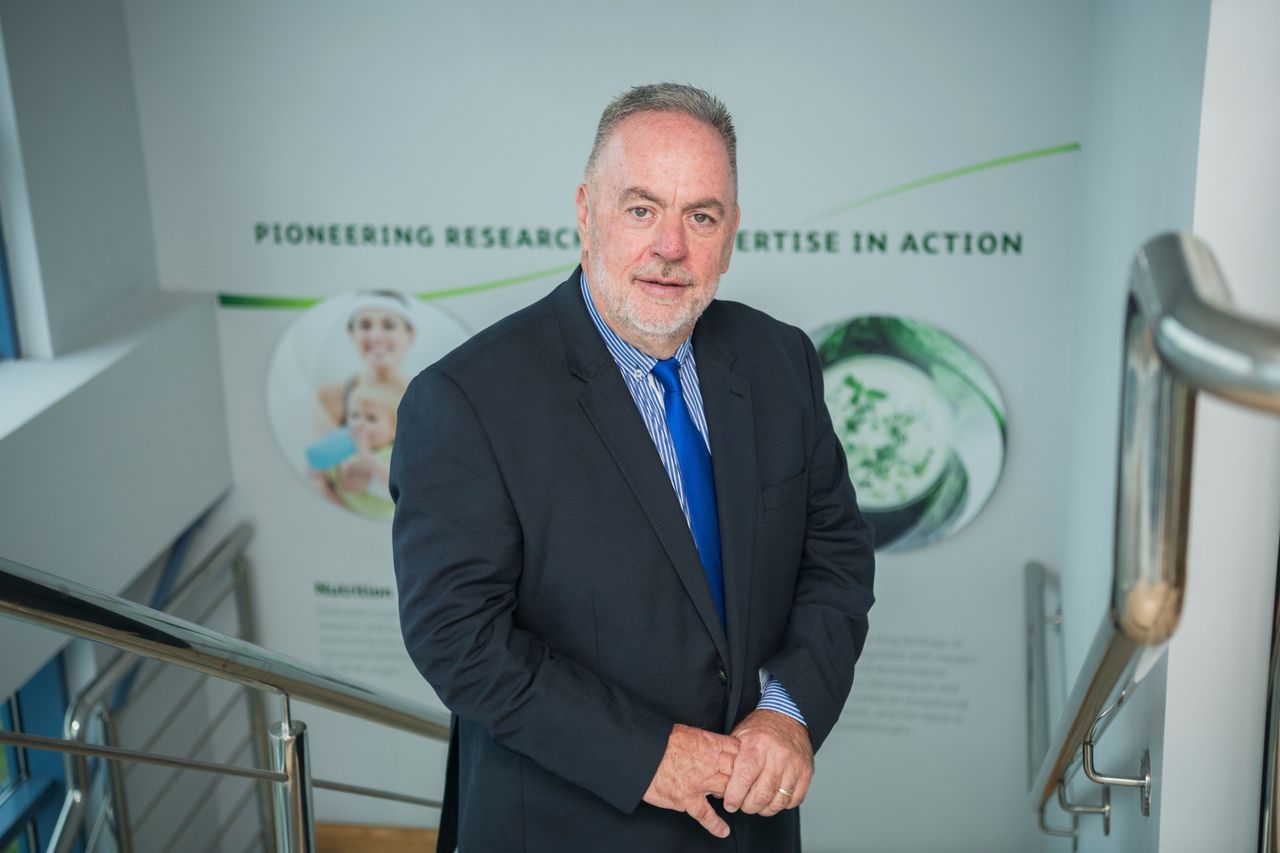
President and chief executive officer at Yara, Svein Tore Holsether said: “Yara delivered higher margins and strong returns in a market characterised by heightened price and demand volatility.
"While market uncertainty led to reduced purchasing activity due to delayed demand for the new season, we continued to leverage our global downstream presence to optimise volumes and maintain strong production levels.
"This demonstrates the resilience and flexibility of Yara’s business model."
Yara and the markets
According to Yara, the war in the Middle East has significantly disrupted global energy and fertiliser markets.
The initial supply shock from the blockage of the Strait of Hormuz led to a sharp increase in urea prices at the very end of the European buying season.
With most markets not facing an immediate need for product, the price volatility and market uncertainty have led to a slow start to the new season in the Northern Hemisphere, the fertiliser firm outlined.
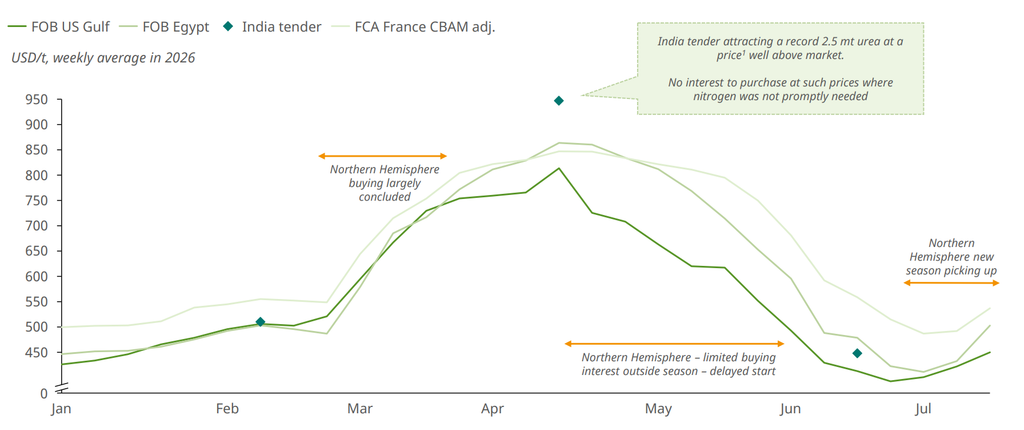
However, it added that significant buying remains, nitrogen imports are record low, and as of mid-July, buying activity appears to resurface in core markets.
The re-escalation of the conflict in the Middle East raises additional concern over supply for the next season.
Yara stated that it remains well positioned to navigate market volatility and adapt to regional shifts in price and demand.
Despite heightened geopolitical uncertainty and market volatility, Yara said that it continued to execute on its strategic priorities during the quarter.
The acquisition of Gulf Coast Ammonia represents a significant strategic milestone for the company in the aim to lower production cost and diversify away from European energy prices.
“It strengthens our ammonia cost position, enhances both strategic and operational flexibility, and supports long-term value creation," Holsether added.
"The acquisition also creates a more balanced energy exposure, with Yara now equally positioned across European and US gas markets.
"This transaction demonstrates our commitment to invest in value-accretive growth opportunities while maintaining strict capital discipline and a strong focus on shareholder returns."
Completion of the Gulf Coast Ammonia acquisition is subject to customary closing conditions, including receipt of relevant regulatory approvals.
Following completion of the acquisition, Yara said that its immediate priority will be integration of the plant into its portfolio, while delivering on its previously announced EBITDA improvement targets.
About Yara
Yara is a global company specialising in crop nutrition and ammonia.
The company operates a global production system that delivers a diversified portfolio of nitrogen-based products.
Founded in Norway in 1905, Yara operates in over 60 countries and serves more than 140 markets, employing about 15,700 people.
In 2025, Yara reported revenues of $15.7 billion.