FAO launches International Year of the Woman Farmer 2026
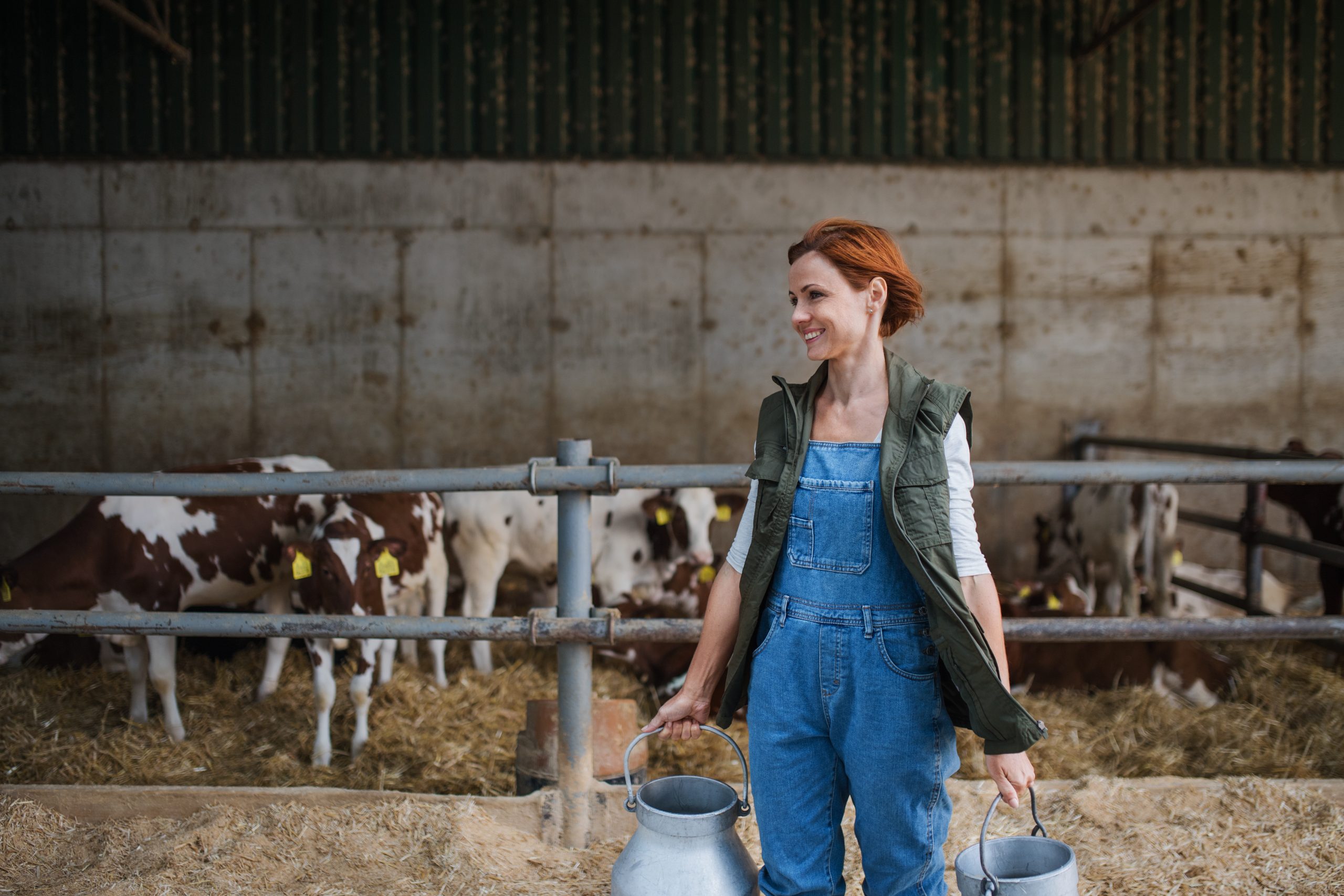
The Food and Agriculture Organisation of the United Nations (FAO) has launched the International Year of the Woman Farmer 2026, a global campaign aimed at recognising women’s contributions to global agrifood systems and to galvanise efforts to close persistent gender gaps.
Designated by the UN General Assembly in 2024, the International Year aims to spotlight the realities faced by women farmers and drive policy reforms and investment to advance gender equality, empower women, and build more resilient agrifood systems.
FAO, together with the other Rome-based UN agencies – the International Fund for Agricultural Development (IFAD) and the World Food Programme (WFP) - will coordinate activities throughout 2026.
Workforce
Women make up a significant share of the world’s agricultural workforce - from production and processing to distribution and trade - playing a central role in household food security and nutrition.
In 2021, agrifood systems employed 40% of working women globally - nearly equal to men.
Despite this, they continue to face systemic barriers, including limited access to land, finance, technologies, education, extension services, and decision-making.
Launch
The year was officially launched at a ceremony held on the sidelines of the 179th session of the FAO Council.
Opening remarks were delivered by FAO chief economist Maximo Torero, who warned that progress on women’s empowerment in agrifood systems has stalled over the past decade.
“The cost of inaction is enormous,” he said.
“We know from recent estimates that closing the gaps between men and women in agriculture could...reduce food insecurity for 45 million people.”
He stressed that the observance goes far beyond celebration, calling for “bringing policy attention to the multidimensional challenges [women farmers] face, and promoting legal reforms and policy and programmatic action that allow women to have equal land rights, equal access to finance, to technology, to extension services, to markets, and to decision-making”.
Ireland and Jordan
The event was co-organised by Ireland and Jordan, represented respectively by Maria Dunne, assistant secretary-general at Ireland’s Department of Agriculture, Food and the Marine and FAO regional goodwill ambassador for the Near East and North Africa Princess Basma bint Ali.
In her closing remarks, FAO deputy director-general Beth Bechdol emphasised that the needs of women farmers must remain a priority well beyond 2026.
She said: “Throughout 2026, the International Year will move from today’s sharing of personal stories and discussions to practical work - national policies, community partnerships, research, investment, and dialogue between farmers, cooperatives, governments, finance institutions, youth networks, and universities.
“The goal is simple: turn commitment into practice, and practice into measurable impact.”
Recent reports
Two recent FAO reports - The Status of Women in Agrifood Systems and The Unjust Climate – examined the scale of gender inequality and the disproportionate climate risks faced by women.
Key findings include:
- Women farmers typically work on smaller plots of land than men; even when they manage farms of the same size, the gender gap in land productivity is 24%;
- Each day of extreme high temperatures reduces the total value of crops produced by women farmers by 3% relative to men;
- A 1°C increase in long-term average temperatures is associated with a 34% reduction in the total incomes of female-headed households, relative to those of male-headed households.
The reports also found that reducing gender disparities in employment, education, and income could eliminate 52% of the food insecurity gap which is consistently higher among women.
In addition, empowering rural women through targeted development interventions could raise incomes for 58 million more people and boost resilience for 235 million.