FAO Food Price Index declines in November

World food commodity prices declined in November, led by lower international quotations for all major staple foods except cereals, according to the benchmark measure released today (December 5) by the Food and Agriculture Organisation of the United Nations (FAO).
The FAO Food Price Index, which tracks monthly changes in the international prices of a basket of globally-traded food commodities, averaged 125.1 points in November, down 1.2% from its revised October level.
The index has now declined for three consecutive months, standing 2.1% below its November 2024 level and 21.9% lower than its peak in March 2022.
Cereal prices
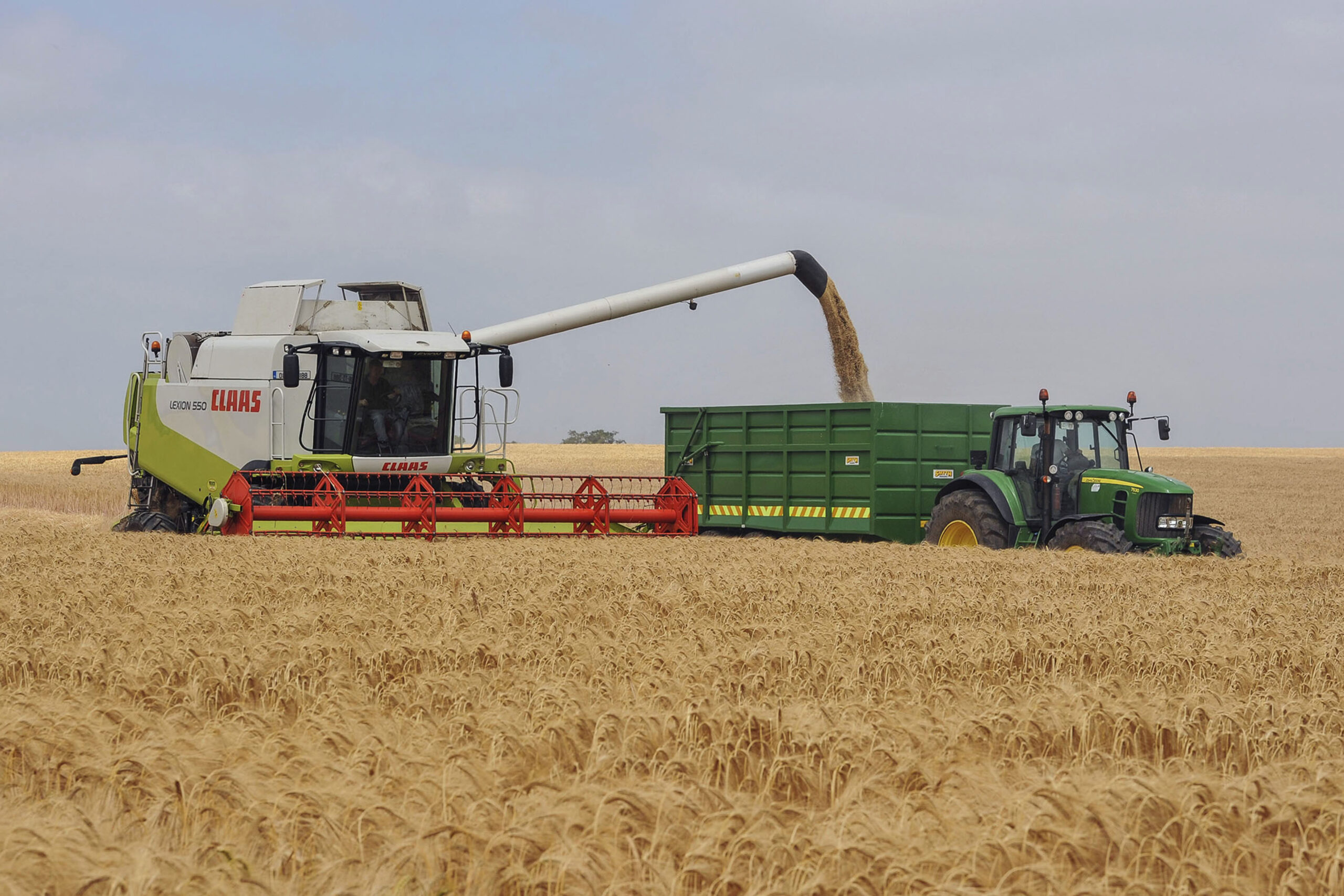
The FAO Food Price Index for cereal increased by 1.3% during the month.
Despite a generally comfortable global supply outlook and reports of good harvests in Argentina and Australia, global wheat prices rose by 2.5% in November.
This was supported by potential Chinese interest in supplies from the US, continuing hostilities in the Black Sea region, and expectations of reduced plantings for the 2026 harvest in the Russian Federation.
Maize and vegetable oil
International maize prices also rose, underpinned by firm demand for Brazilian supplies.
The FAO Vegetable Oil Price Index fell by 2.6% from October, as declines in palm, rapeseed and sunflower oil quotations more than offset a modest increase in soy oil prices, according to the FAO.
Soy oil prices were supported by strong demand from the biodiesel sector, particularly in Brazil.
Meat
The FAO Meat Price Index edged down 0.8% from its revised October level.
Global poultry meat prices decreased amid abundant exportable supplies and heightened global competition.
This partly reflected Brazil’s efforts to regain market share following the lifting of high-pathogenicity avian influenza-related trade bans by key importers.
Pig meat prices also declined, largely due to ample supplies in the EU and subdued demand from China after the introduction of import duties, the FAO said.
International bovine meat quotations remained broadly stable, while ovine meat prices increased.
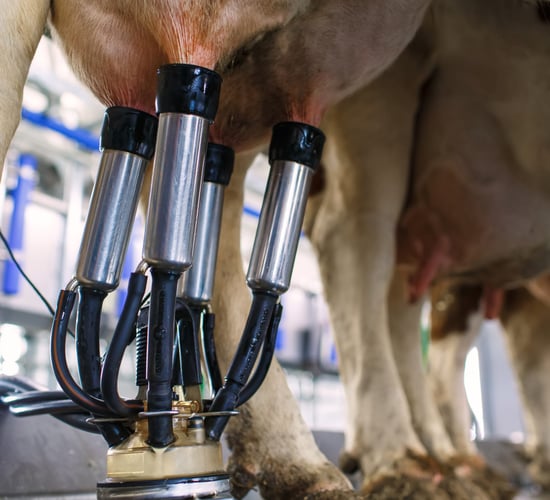
Meanwhile, the FAO Dairy Price Index declined by 3.1% in November, led by lower quotations for butter and whole milk powder.
The decrease reflected rising milk production and abundant export supplies in major producing regions.
World cereal output
FAO also released updated forecasts for world cereal markets in 2025.
Thanks to larger-than-expected wheat harvests, especially in Argentina, global cereal output is now foreseen to surpass three billion tonnes for the first time ever, rising 4.9% to 3.003 billion tonnes.
Coarse grain and rice outputs are both expected to increase from the previous year, with world rice output projected to grow by 1.6%, led by Bangladesh, Brazil, China, India, and Indonesia.
World cereal utilisation in 2025/2026 is now expected to increase by 2.1% from the previous year.
Based on the updated forecasts, global cereal stocks are predicted to expand by 6.5% to a record high of 925.5 million tonnes.
The new forecast for world trade in cereals in 2025/2026 points to a 3.3% increase to 500.6 million tonnes.