EU proposes greater flexibility for use of liquid digestates on farms

The European Commission is seeking the public's views on plans to ease the rules around the use of certain liquid digestates by farmers.
The commission wants to allow the use of particular digestates derived from livestock manure as an alternative to chemical fertilisers, while ensuring that environmental risks are managed.
The commission believes the targeted amendment of the Nitrates Directive would help farmers to reduce costs and rely less on chemical fertilisers.
The proposal was initially announced as part of the EU Fertiliser Action Plan and the Livestock Stategy unveiled earlier this year.
Ongoing geopolitical tensions and disruptions, particularly in the Middle East, have impacted the cost and accessibility of fertilisers for European farmers.
A key aspect of the Fertiliser Action Plan seeks to promote the use of European alternatives to reduce the EU's dependency on fertiliser imports.
The action plan commits to provide on-the-ground solutions by spring 2027.
Digestates
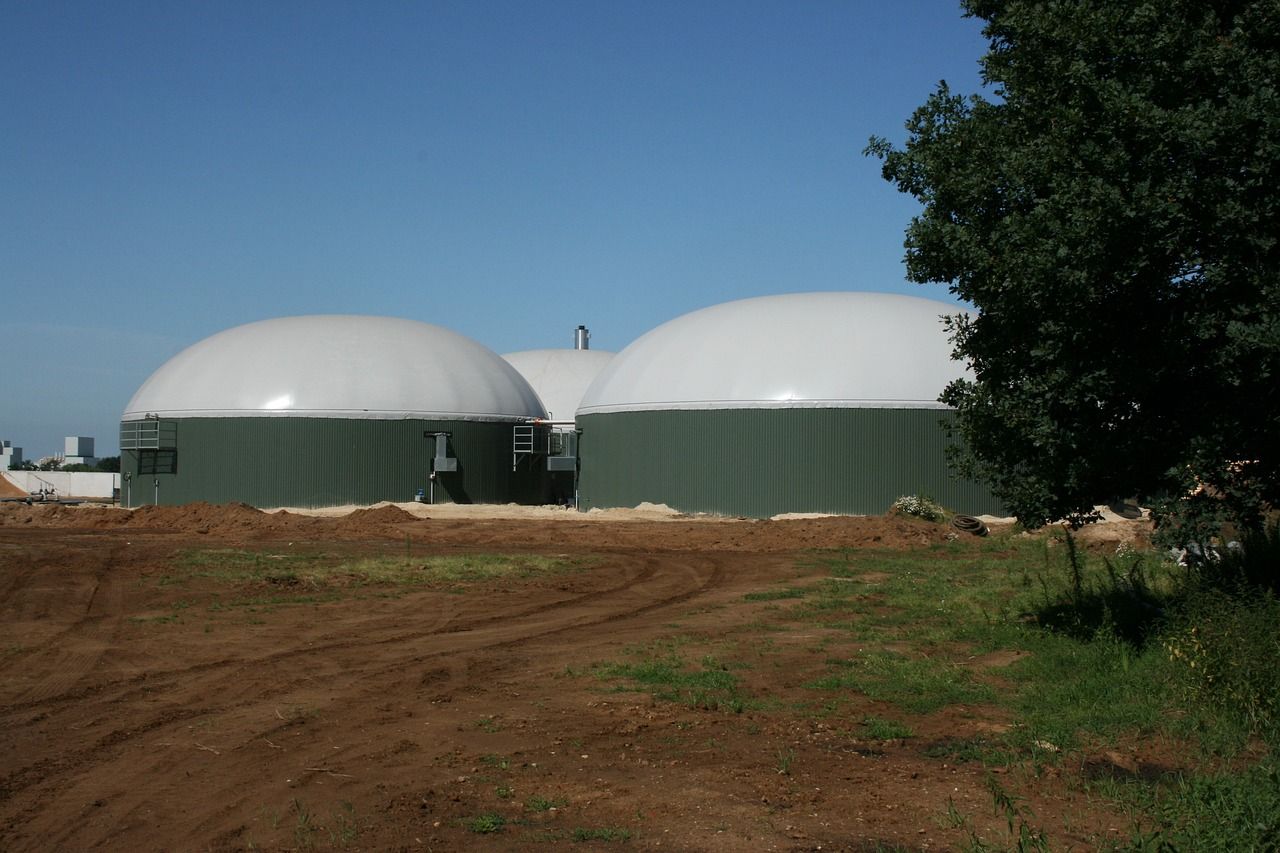
Digestates are the residual material left over after the anaerobic digestion (AD) of organic material for the production of biogas or biomethane.
This proposal would focus on certain types of liquid fractions, which have a high content of mineral nitrogen and a low presence of organic material.
Under the Nitrates Directive the application of livestock manure, including processed manure, is limited to 170kg nitrogen per hectare per year.
The initiative would extend the RENURE (REcovered Nitrogen from manURE) rules, introduced in March 2026.
These rules provide an option for member states to exempt certain types of nitrogen-containing materials recovered from RENURE.
The exemption is subject to strict conditions and environmental safeguards, including criteria around the physical characteristics of the materials concerned.
Currently, this option is limited to three specific types of materials: ammonium salts, mineral concentrates, and struvite.
The proposed amendment would extend this option to certain liquid digestate types derived from livestock manure that can also comply with the RENURE criteria.
Fertiliser
According to the commission, this proposal could reduce dependence on imported, energy-intensive synthetic nitrogen fertilisers and lead to lower input costs for farmers.
It would also support more efficient, sustainable nutrient use and the transition towards low-carbon, circular fertilisers, while creating synergies with the role of biogas and biomethane in EU energy security.
The proposal is backed by a new report from the commission’s Joint Research Centre assessing the potential for the safe use of agricultural digestates as fertilising materials.
The draft act will now be subject to a one-month public consultation period.
Following this, it would then need to be endorsed by a qualified majority of member states in the Nitrates Committee
If supported, the proposal will enter a three-month scrutiny period for the European Parliament and the EU Council, after which the commission could formally adopt the amendment.