Does your farm have a good vaccination protocol in place?

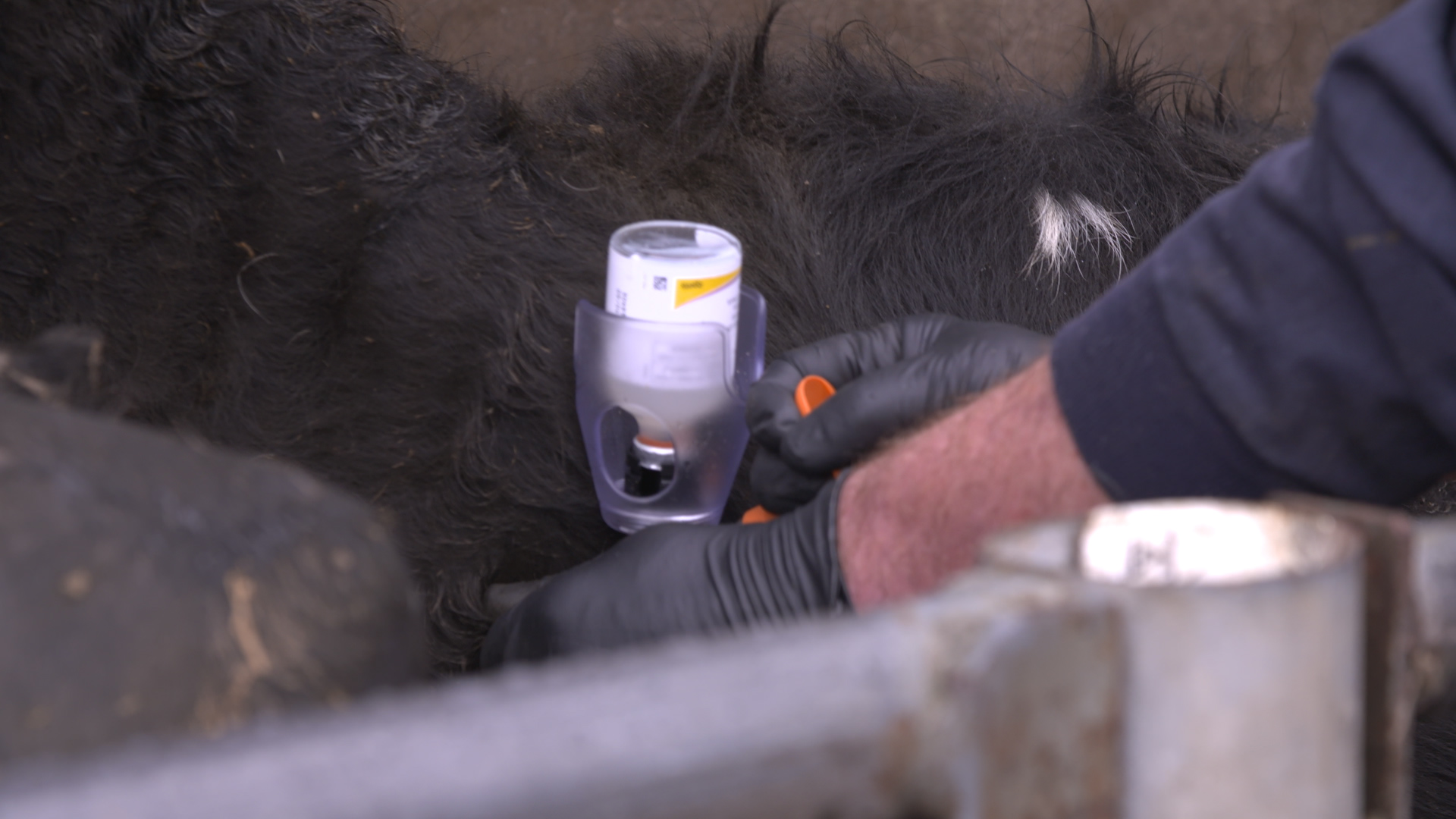
Vaccination programmes have become a must-have on dairy farms, acting as a cost-effective method for reducing diseases within your herd.
The goal of any vaccination is to reduce clinical signs of infection, reduce shedding of infected animals, and reduce the number of new infections.
However, farmers have a long list of vaccinations they need to administer over the winter months to cover a range of diseases and parasites, from fluke and worms to infectious bovine rhinotracheitis (IBR) and cryptosporidium.
Therefore, creating a detailed vaccination programme will help you document all vaccines administered and ensure correct timing and dose rate, promoting high standards of animal health and welfare.
These programmes require regular recording of the herd's health status and keeping up-to-date with disease records, as well as completing annual disease screens such as bulk milk, individual milk, or individual blood tests.
Vaccination
A vaccination programme is not the only method of disease control that should be in place on a farm, but it is essential.
However, it should be supported by additional on-farm measures such as biosecurity, diagnostic testing, proper hygiene, and adequate nutrition.
By following a well-documented vaccination programme, you can stay ahead of diseases by vaccinating on time.
For example, before calving, cows are under high stress which can lead to them shedding diseases.
This is often when calves pick up scour leading infections.
Therefore, over the dry period, vaccinating calves for the likes of IBR or rotavirus is crucial to ensures that all the protection through colostrum and transition milk is transferred to the calf.
Below is an example of a vaccination calendar, a handy part of a vaccination protocol to remember when to dose different animals.
| Animal | February/March | March/April | August/ September | October | December/ January |
|---|---|---|---|---|---|
| Prior to turnout | Prior to breeding | Mid pregnancy | Housing | Prior to calving | |
| Calves | Clostridia vaccine | Pneumonia vaccines IBR | |||
| Heifers | Clostridia vaccine Lungworm | Leptospirosis BVD IBR | Salmonella | IBR BVD Pneumonia vaccines | Scour vaccine Salmonella |
| Cows | Leptospirosis BVD IBR | Salmonella | IBR BVD | Scour vaccine Salmonella |
It must be noted, every calendar is different, as boosters must be accounted for and different farms follow various IBR vaccines.
When vaccinating cows, it is still important to minimise stressful situations for the herds, so try to avoid moving cattle between pens as well as shouting.
Stress can also affect the animal's immune response to the vaccine, so avoid carrying out other tasks such as castration, dehorning, and hoof trimming at the same time.
When vaccinating, adhere to the following procedures:
- Read the label carefully before vaccinating;
- Check the dose, route, and site of administration;
- Ensure the animal is clean in the area of dosage;
- Use a sterile needle;
- Use a reusable needle, ideally changing between each batch of animals;
- Ensure live vaccines are mixed if they come in two vials;
- Ensure booster vaccinations is given within recommended timeframe;
- Follow the licensed withdrawal periods.
Speak with your vet to develop a good vaccination programme and boost animal performance.