Dairy Focus: 12 years of robotic dairying in Westmeath

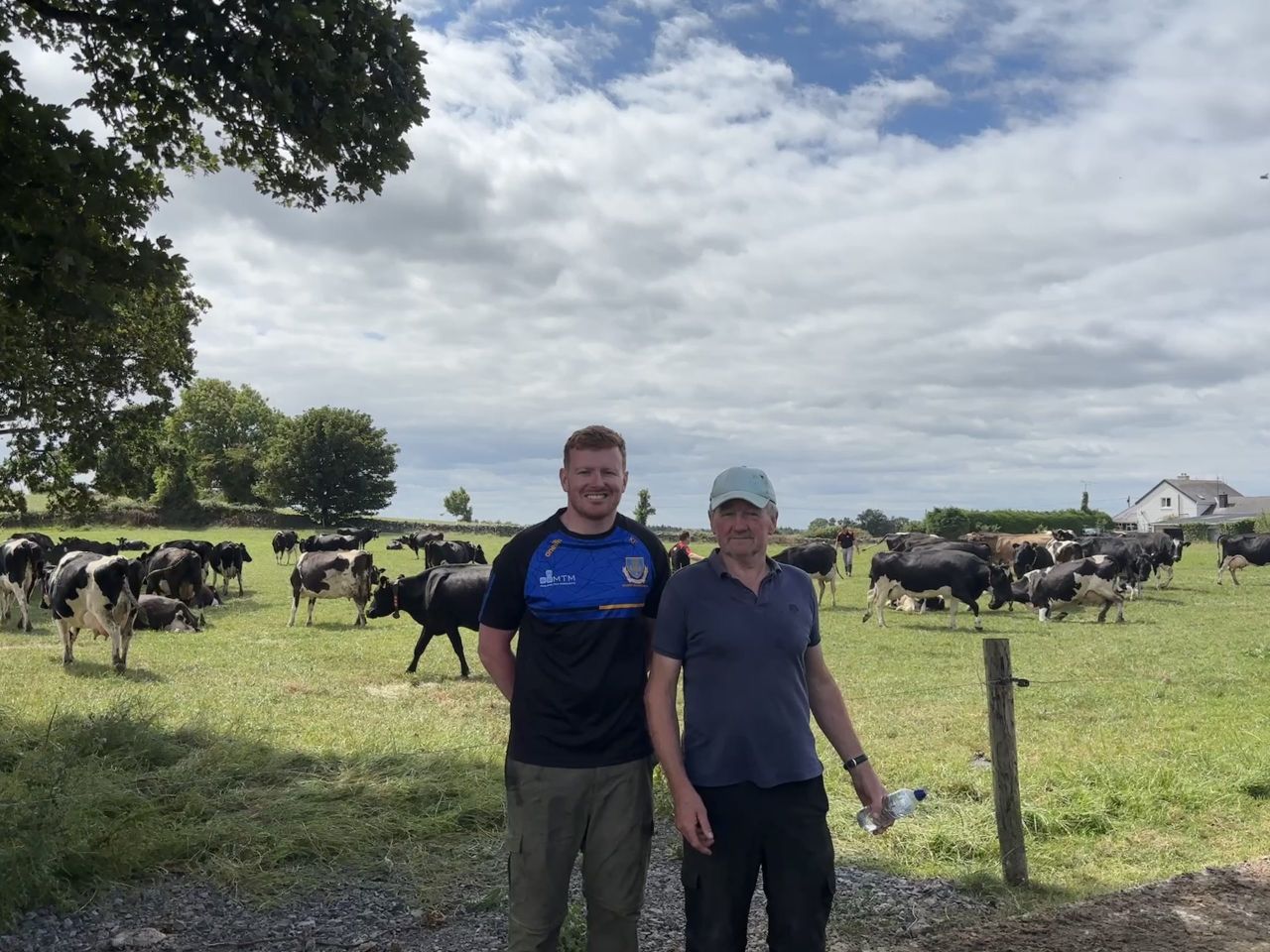
Michael and Kevin Fagan are milking 127 cows through two Lely A4 Astronaut robotic milking machines alongside Lough Ree in Glasson, Co. Westmeath.
Michael always ran a beef and sheep enterprise while working full-time off farm, but in 2014 he decided to take the leap and transition to dairy.
It was then installed a single A4 Lely from the Lely Centre Mullingar, and began milking 45 heifers.
At the same time, Kevin was sitting his Leaving Cert, but had a desire to return to the farm.
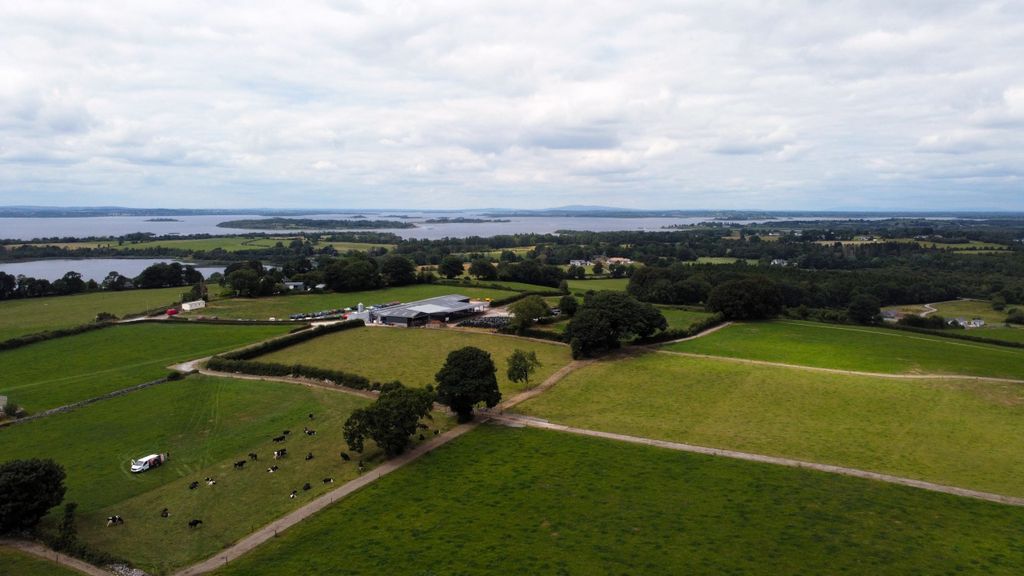
Following the abolishment of quotas, the Fagans expanded their herd size, took on more land, and in 2019 installed their second Lely A4 robot.
They climbed to a herd of 140 cows, but underwent a 'hard cull' bringing the herd back to 127 head with a stronger focus on output.
Farm performance
The robotic system allows the time for Kevin to work off farm as a teacher, but also helps them put more of a focus on getting to know their cows and nailing breeding, as well as other aspects such as grassland management.
This focus has allowed them to get their spring-calving British Friesian type herd producing 535kg of milk solids (MS) per cow in 2025 at 4.65% fat and 3.78% protein, off 1.2t of meal.
That means that only 11 years after establishing the herd, they were within the top 15% of suppliers for Aurivo co-op in terms of solids.
The herd, which has an Economic Breeding Index (EBI) of €163, is also maintaining a 385-day calving interval with an 84% six-week calving rate.
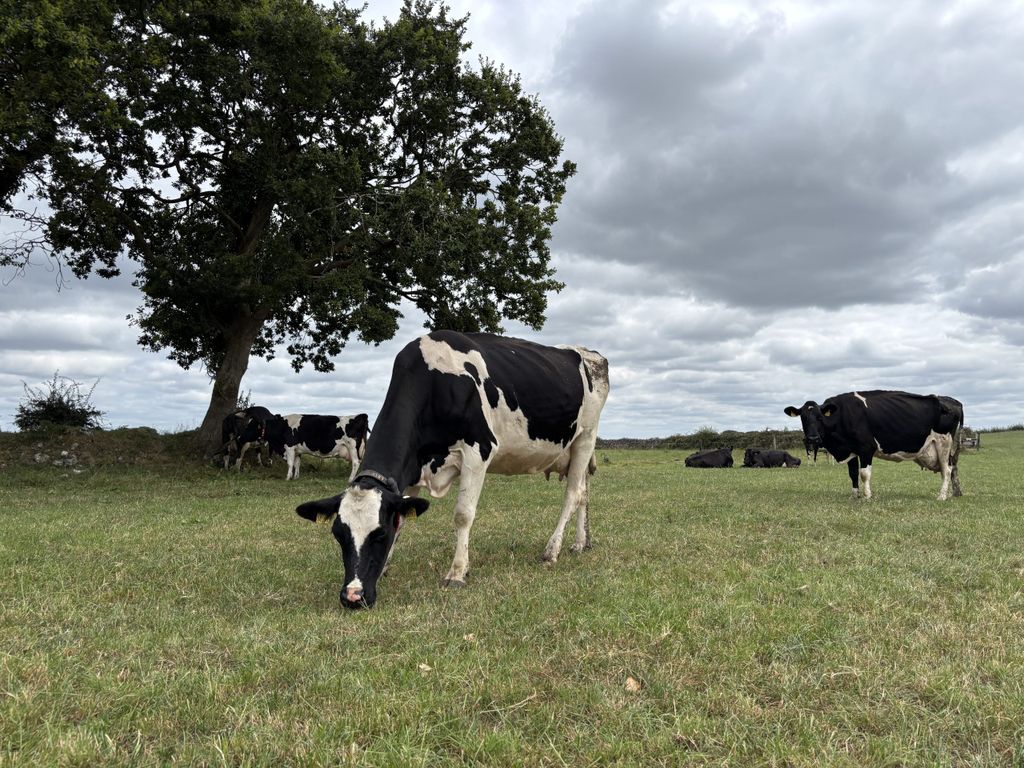
In 2025, the average somatic cell count (SCC) levels for the year stood at 172,000 cells/ml, with 10 cows treated for mastitis, and 33% of the herd receiving only sealer at dry-off.
When it comes to grass, the Fagans are stocked at 2.7 LU/ha and grew just shy of 12t of dry matter (DM)/ha in 2025.
John McCabe, adviser with the Teagasc-Aurivo Joint Programme, noted that when you look at the herd's production versus meal fed, the Fagans are getting approximately 2kg more of grass into the cows when compared to the Aurivo average, which makes a big difference to the farm's profitability.
Lely Robots
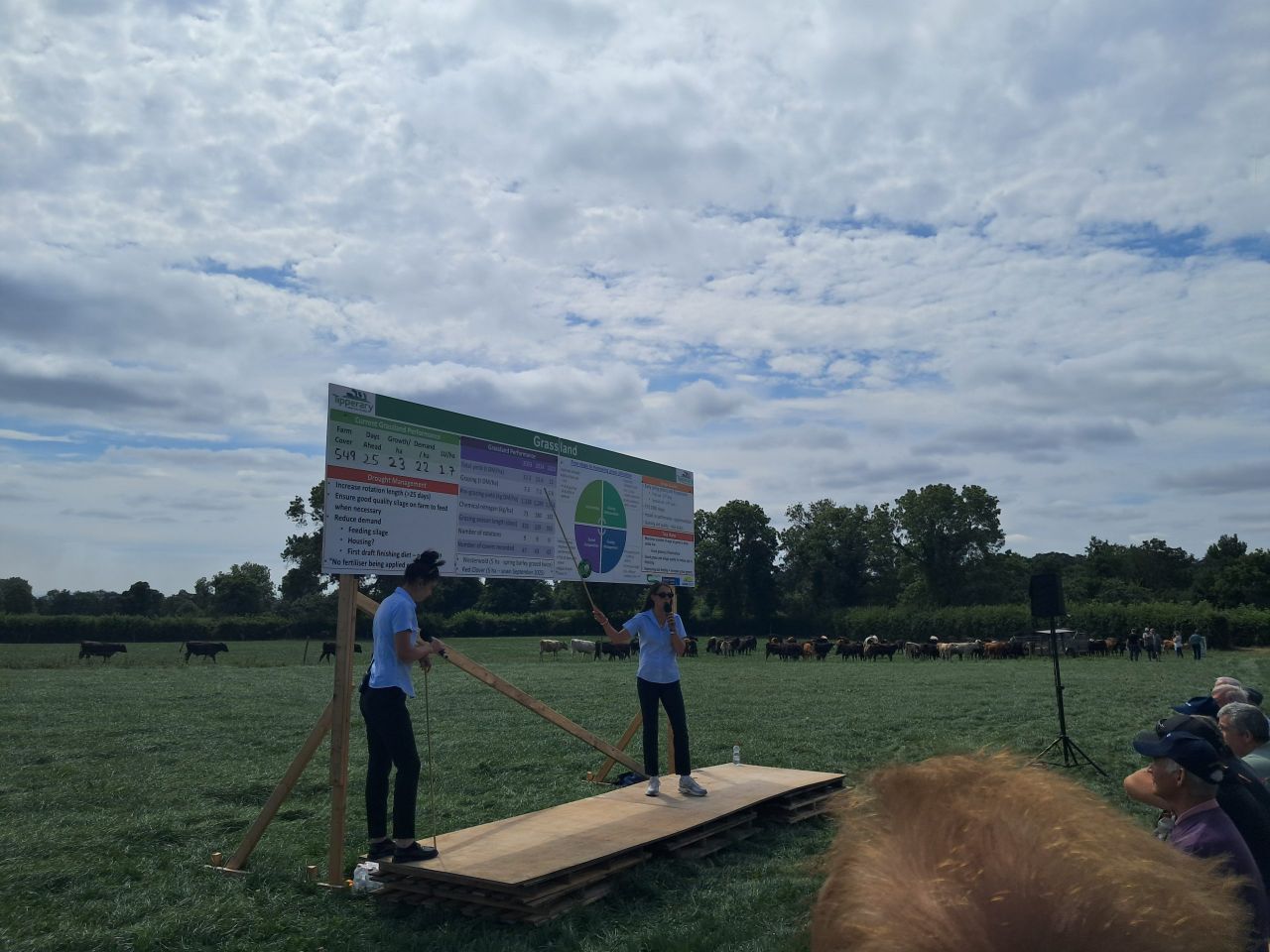
The Fagans hosted a farm walk alongside Lely Centre Mullingar and Aurivo recently to demonstrate how the system is working for them.
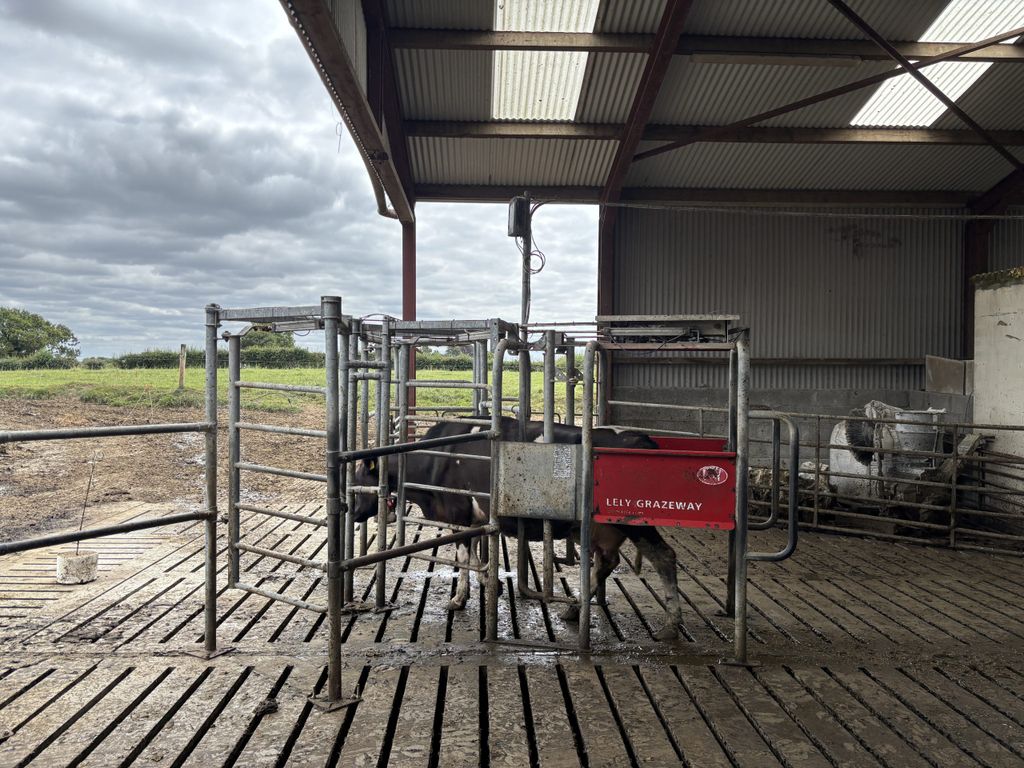
They operate an 'A-B-C' grazing system thanks to the Lely Grazeway three-way gate, with cows walking a maximum distance of 950m.
The 'A-B-C' system is designed around the farm to allow for three milkings a day.
For example, Block A opens at 2:00a.m with 40% of the cows' daily grass allocation available within.
Block B will then open at 10:00a.m with another 40% available, while block C opens at 6:00p.m with 20% available.
After a period of time in each block, cows will individually make their way back to the shed where they enter a 'no return gate'.
They will only be able to leave the shed through the Grazeway gate once they have been milked.
Farmers operating this system will have to move fences: for example; fences moved in 'C' and 'A' while cows are in 'B' during the day.
However, labour is drastically reduced, considering milking takes anywhere between two and four hours a day if not more on conventional farms.
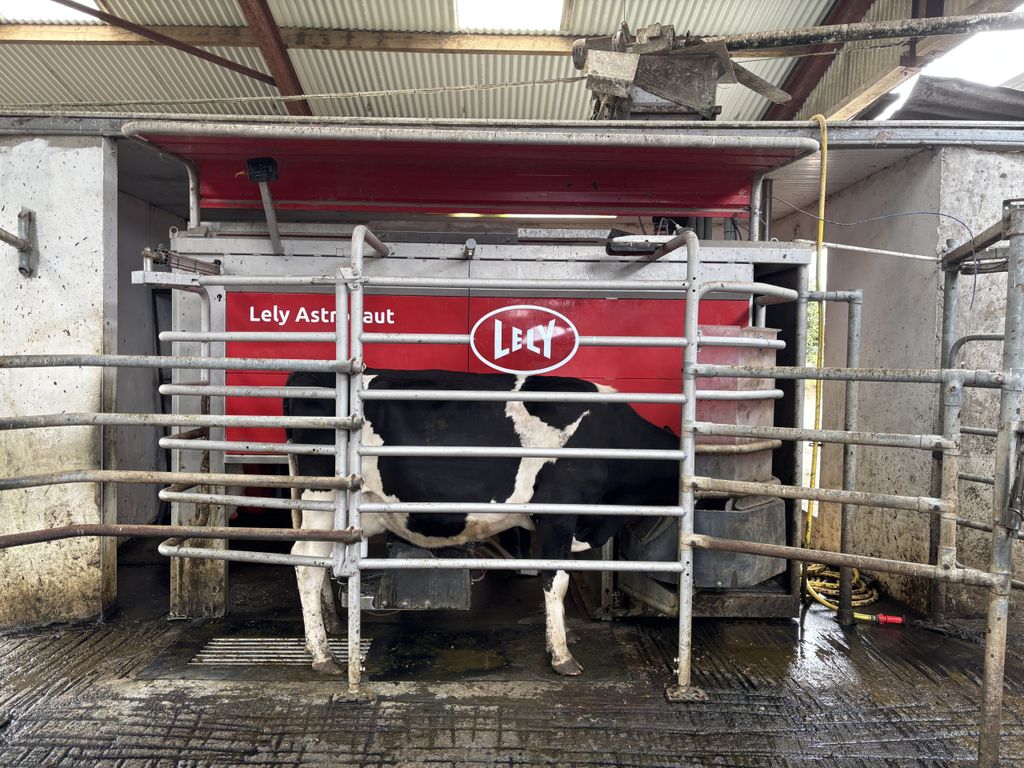
The Fagans have a service contract with Lely, and have averaged 2.8 call outs per robot annually over the last five years.
Brushes on the robot clean each teat before clusters are applied, with the brushes getting a parasitic acid wash between each cow.
The robot uses laser technology for pre- and post-teat spraying, and can also determine when each induvial quarter is milked out to ensure cows are not being under- or over-milked.
The same technology is used to determine blank quarters.
Each milking is recorded, allowing the Fagan's have up to date SCC readings, milking times, output, and more to make instant informed decisions.
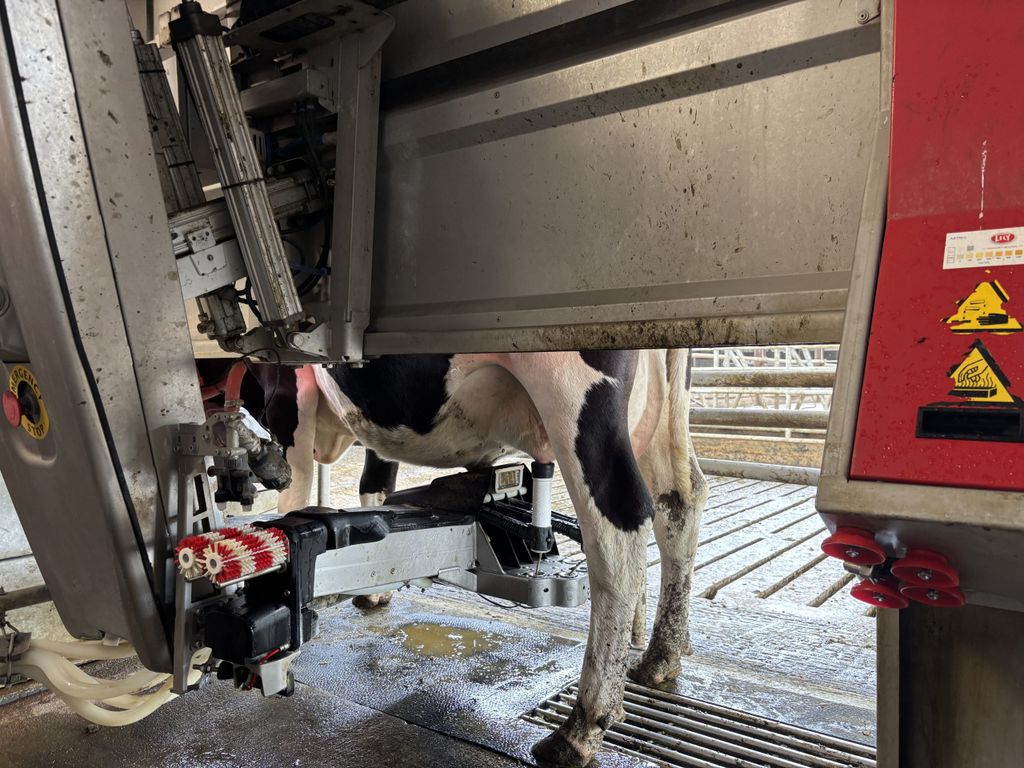
A system is installed in which milk can be pumped into separate buckets straight from the robot, which allows each calf get her mother's milk, and helps to stop the spread of diseases such as Johne's, as well as a dump bucket for antibiotic milk.
The parlour is also set up with a feed to yield system, allowing the Fagan's to choose how much feed each individual cow is getting.
According to Lely, the average robot running cost is €6,970/year plus VAT, while electricity works out at approximately €23.10/day on a two-robot farm (2024 figure).