Commodity prices drive down value of cereal exports last year


The value of Irish cereal exports declined by 10% to €80 million in 2025, according to Bord Bia which has just published its Export Performance and Prospects Report 2025/2026.
With volumes flat, the driver of this decline was lower global commodity prices, according to the report.
Availability was the key factor in global price declines, with the Food and Agriculture Organisation of the United Nations (FAO) forecasting that global cereal production willreach a record level in 2025, up 4.4% from 2024.
Teagasc estimates that the 2025 harvest in Ireland was in line with this trend due to increases in both the area and yield for winter crops.
Total cereal production is estimated at 2.23 million tonnes, approximately 6% above the five-year average from 2020-2024.
Tillage area
Total tillage area remained stable in 2025. Cereal area increased by 4.6% from 2024, but the area of spring beans and winter oilseed rape declined in 2025.
Despite higher production levels, margins for tillage farmers remain under pressure as grain prices continue to lag while input and production costs rise.
Winter wheat and barley areas have been maintained for 2026 following favourable autumn sowing conditions, while winter rye and oilseed rape areas increased significantly.
However, record 2025 global production levels are expected to continue dampening prices through at least the first six months of 2026.
Horticulture
Several factors affected mushroom exports including weather, input costs and prices.
2025 saw the hottest spring and summer on record in the UK, which dampened sales of mushrooms, which are often used in comfort-based, stew-type meals.
The minimum wage increased to €13.50/hr in January 2025, alongside higher employer Pay Related Social Insurance (PRSI) contributions and the cost of implementing other mandatory benefits.
These resulted in increased production costs, as wages make up a significant component.
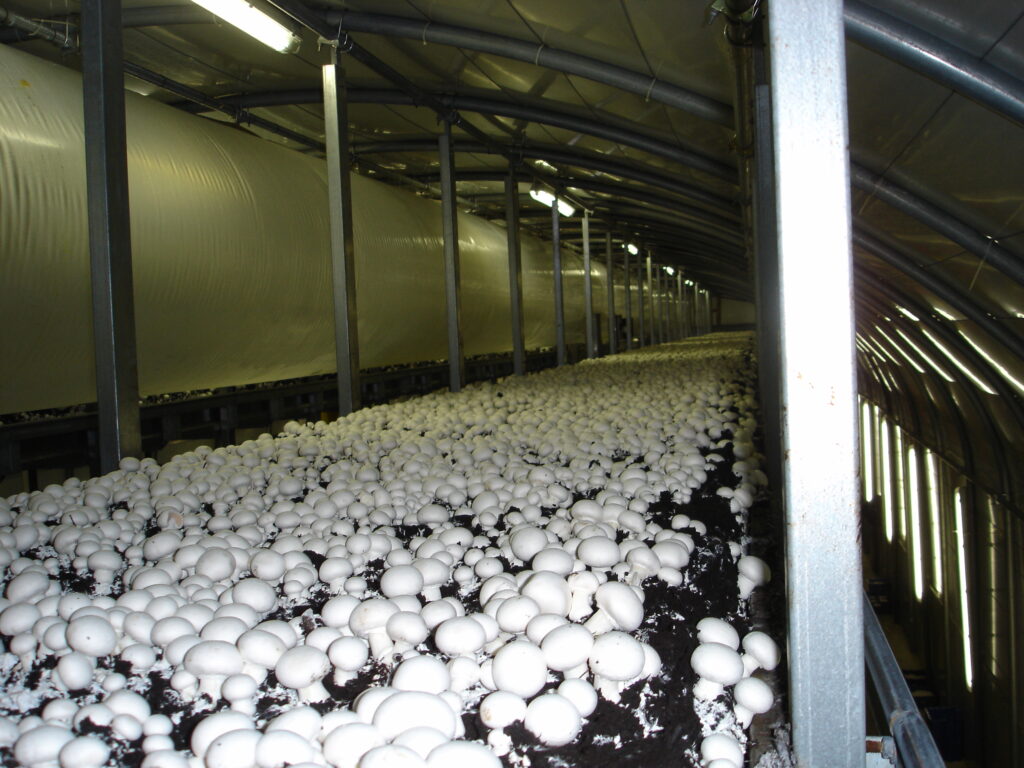
A decline in sales of closed cup mushrooms reduced overall volumes, while button, flat and portobello mushrooms also declined.
Brown mushrooms showed good growth relative to 2024, while exotics, sliced, and closed cup mushrooms also increased.
Sliced and value mushrooms continued to grow steadily, no doubt playing into consumer demands for convenience and affordability, according to Bord Bia.
Mixed performances were evident across retailers in the market, with more premium retailers faring better.
Outlook
Efforts to rebuild mushroom volumes will intensify in 2026, with additional focus on the summer months, which have proved challenging over recent years, the Bord Bia report stated.
There is a longstanding relationship between the industry and UK retailers built on the quality of mushrooms supplied and good service, according to Bord Bid and Irish companies are positioning themselves as premium suppliers.
Innovation in terms of vitamin enhancement, packaging and peat free the potential to boost sales.
There are also further opportunities to educate consumers on the nutritional benefits of mushrooms, particularly millennials.
Meanwhile, straw is the main ingredient for compost. Issues around straw quality reported in 2025 could have a negative impact on mushroom yields in 2026, the report has outlined.