Tillage
Teagasc Oak Park in Co Carlow is the most visited tillage farm in Ireland. The venue hosts numerous open days and discussion groups
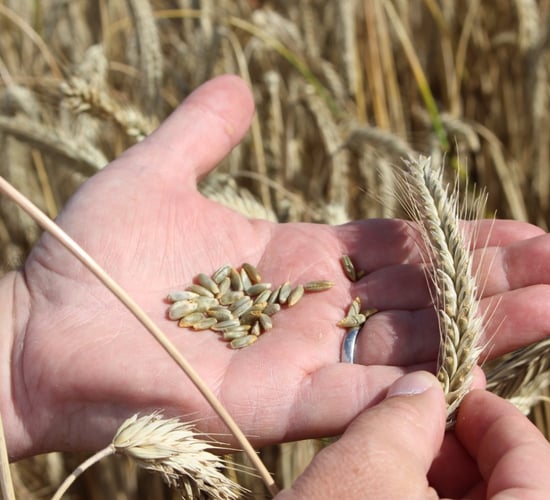
Teagasc continues to highlight the benefits of Irish growers widening their cereal planting mix: winter rye can be part of this process.
A new Teagasc study has confirmed the factors that drive innovation within the Irish tillage sector on a consistent basis.
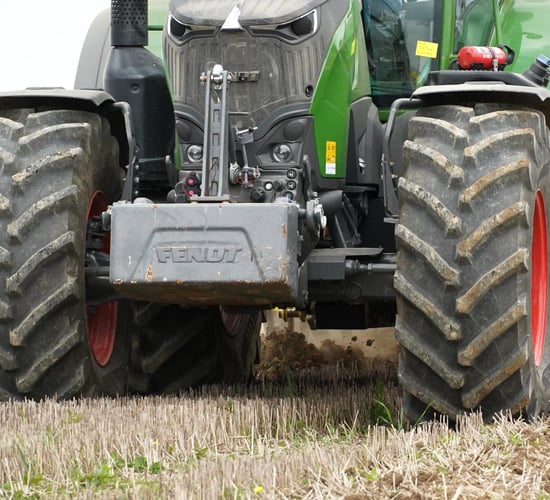
Soil compaction is a subject that is now widely recognised and addressed, yet a related issue is soil smearing by tractor wheels
Up to this point yellow rust had been identified in winter wheat crops, growing in the north east of the country.
The changeable weather of the past fortnight brought to an end one of the driest early spring tillage periods in living memory.
According to the Potash Development Association (PDA) forage maize crops can deliver yields of up to 50t/ha
Cooney Furlong agronomist, George Blackburn, is confirming that winter wheat crops in the Wexford area have remained disease-free
There’s little doubt that the rain showers of recent days will have enhanced the growth rates of all spring crops.
Teagasc is confirming that some winter barley crops are now coming under moisture stress, particularly those sown-out in light soils.
Teagasc is confirming that tillage farmers have been taking full advantage of the excellent weather conditions
Teagasc is confirming that the area of winter barley planted for the 2025 season is significantly higher than in 2024.
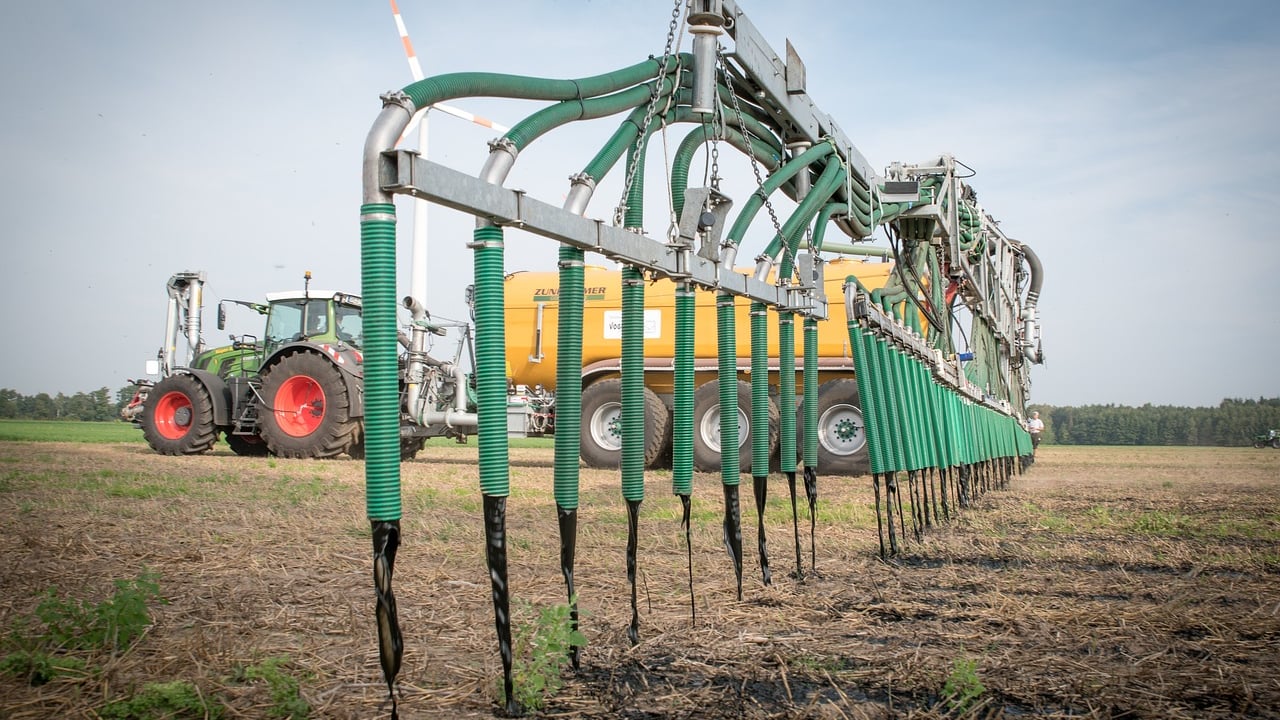
According to Teagasc, pig slurry is a valuable source of crop nitrogen, phosphorus, potassium and other trace elements.
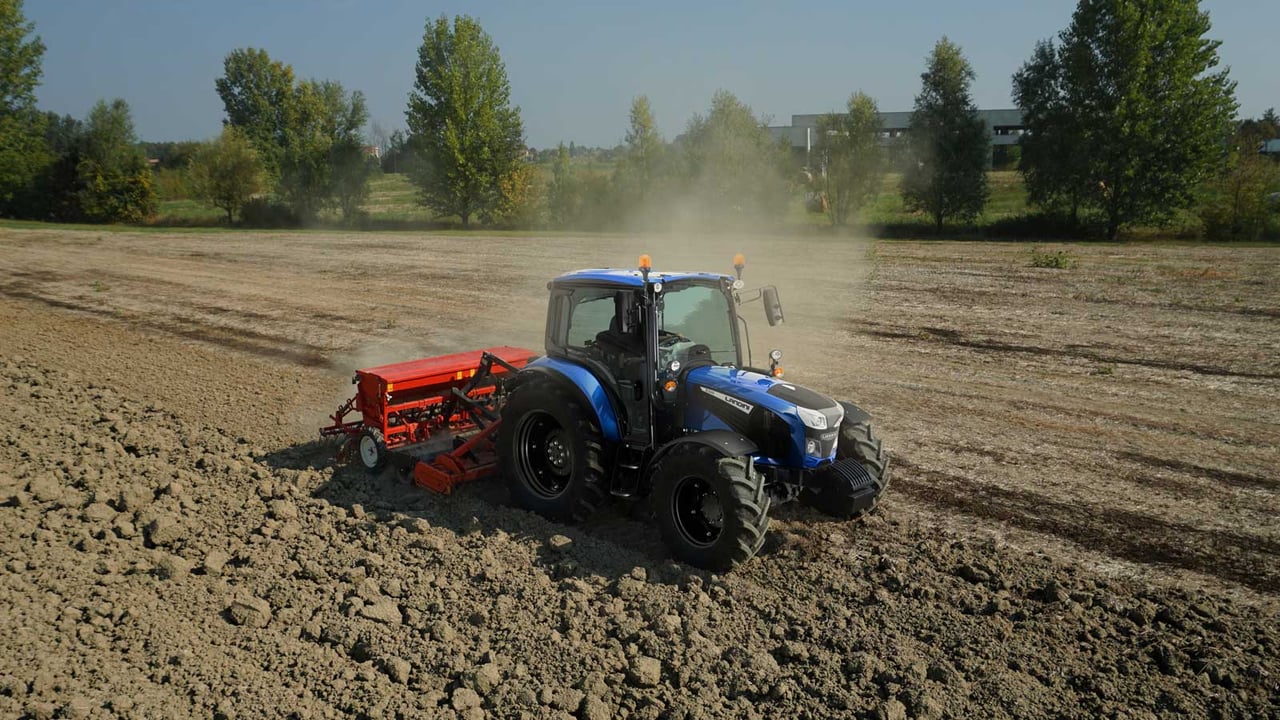
The current dry spell is allowing tillage farmers get on with ground preparation work in preparation for the drilling of spring crops.
Sulphur is an essential nutrient for all plants and animals. Its behaviour in the soil is very similar to that of nitrogen.
Teagasc is confirming that winter cereals are well established this season thanks to earlier sowing and good growth up to this point.
The Potash Development Association (PDA) is highlighting the need for all winter crops to receive adequate potash applications now.
Teagasc confirmed that up to €200/ha is spent annually by Irish farmers on crop biostimulants that have not been independently trialled.
The Agricultural and Horticultural Development Board (AHDB) is confirming a squeeze on malting premiums relative to feed barley prices.
There is a general consensus that most crops of winter cereals and oilseed rape are entering the spring of 2025 in tremendous shape.
The first application of fertiliser nitrogen should be applied to winter barley crops across the country now.
Teagasc’s Veronica Nyhan referenced the disquiet expressed by some farmers regarding the performance achieved from protected urea.
A number of developments have taken place that will compel tillage farmers to make significant changes to their wheat agronomy practices.