Can farmer health issues affect farm safety?

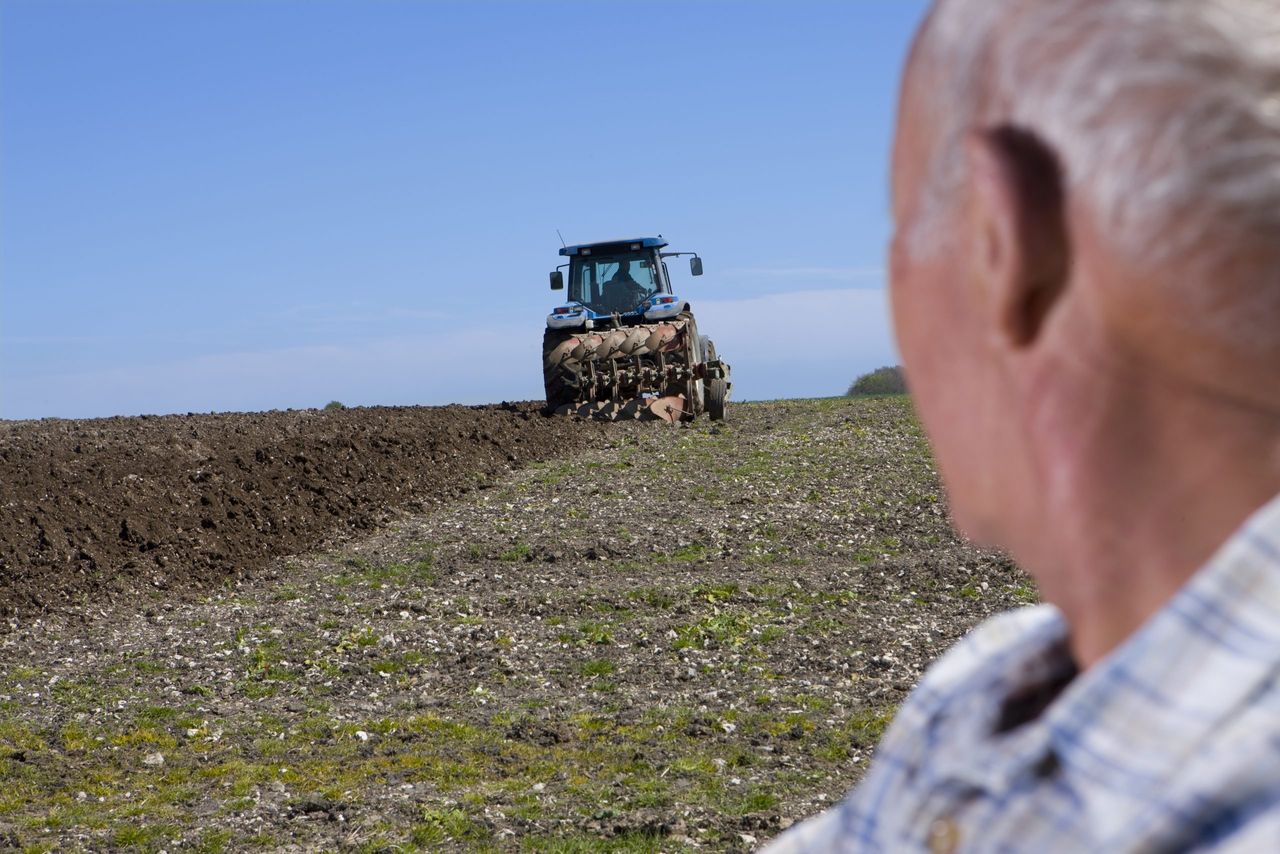
A farmer’s health can have an impact on how they deal with farm hazards like machinery, livestock, and vehicles, according to Teagasc.
According to Diana van Doorn, research officer in farm safety, health and wellbeing at Teagasc, health and safety should not be viewed as separate issues.
Commenting as part of Farm Safety Week, Van Doorn highlighted that research is “increasingly showing” that a farmer's health can also affect how safely they manage hazards.
She said: “International research has shown that conditions such as heart disease, arthritis, hearing loss, lack of sleep and medication use can increase the risk of farm injury.
“These health issues can affect balance, concentration, reaction time, situational awareness, stamina and decision-making, all of which are important for working safely around livestock, machinery and vehicles.”
Irish farmers are exposed to many of these health conditions.
Research involving Teagasc showed that 74% of male livestock farmers have four or more cardiovascular risk factors.
In addition, 56% report musculoskeletal disorders, 50% report significant sleep problems, and 24% report burnout.
Links between health and safety
A recent joint Teagasc, Department of Agriculture, Food and the Marine, and Health and Safety Authority survey found that farmers reporting moderate or major stress were around six times more likely to report a serious impact from farm injury than farmers reporting no or minor stress.
The survey also found that these farmers “were also more likely to report impacts from hearing, eye, breathing and joint problems affecting their work ability”.
While these findings show an association rather than cause and effect, according to Van Doorn, they “highlight how health, wellbeing and safety challenges often happen together”.
“The effects can extend well beyond the injury itself.
"Time away from work, reduced work capacity and delays to farm tasks can put pressure on the whole farm business.
“Family members often take on additional responsibilities, while extra costs and lost working time can affect both farm productivity and income," Van Doorn said.
Maintaining good health
Teagasc has provided practical steps that farmers can take to support their health and reduce safety risks.
These steps include:
- Attending regular health checks;
- Protecting hearing and respiratory health;
- Managing workload where possible;
- Prioritising sleep and recovery;
- Wearing appropriate personal protective equipment;
- Staying physically active.
Teagasc also recommends seeking support early for physical or mental health concerns.
Farm Safety Week
Now in its 14th year, Farm Safety Week has grown into one of the farming sector’s largest safety awareness campaigns and is backed by more than 500 partner organisations across the UK and Ireland.
The campaign, which began on Monday (July 20), is led by the Farm Safety Foundation (Yellow Wellies) and is supported by the Irish Farmers' Association (IFA).
The focus of Farm Safety Week 2026 is people, because every incident changes a life and many farming families are living with life-changing impacts of serious injuries.