Budget 2027: What will it mean for farm families?


Budget 2027 has been finally revealed today (Tuesday, October 6) - but the big question is will it make a difference to farm families, and will it put more money into their pockets?
The government has allocated €2.344 billion to the Department of Agriculture, Food and the Marine (DAFM) with measures aimed at supporting farm incomes, tackling rising input costs and encouraging investment on farms.
But farm families will want to know exactly how much of this budget allocation will translate into direct support and will this take the shape of helping to reduce costs or fund new investment?
This is one of the reasons why key schemes like the Targeted Agriculture Modernisation Scheme (TAMS) have been prioritised in Budget 2027.
The TAMS budget for 2027 will increase to €93.35 million.
According to the Minister for Agriculture, Food and the Marine, Martin Heydon, this represents "the largest ever annual budget allocation in on-farm investment by my department".
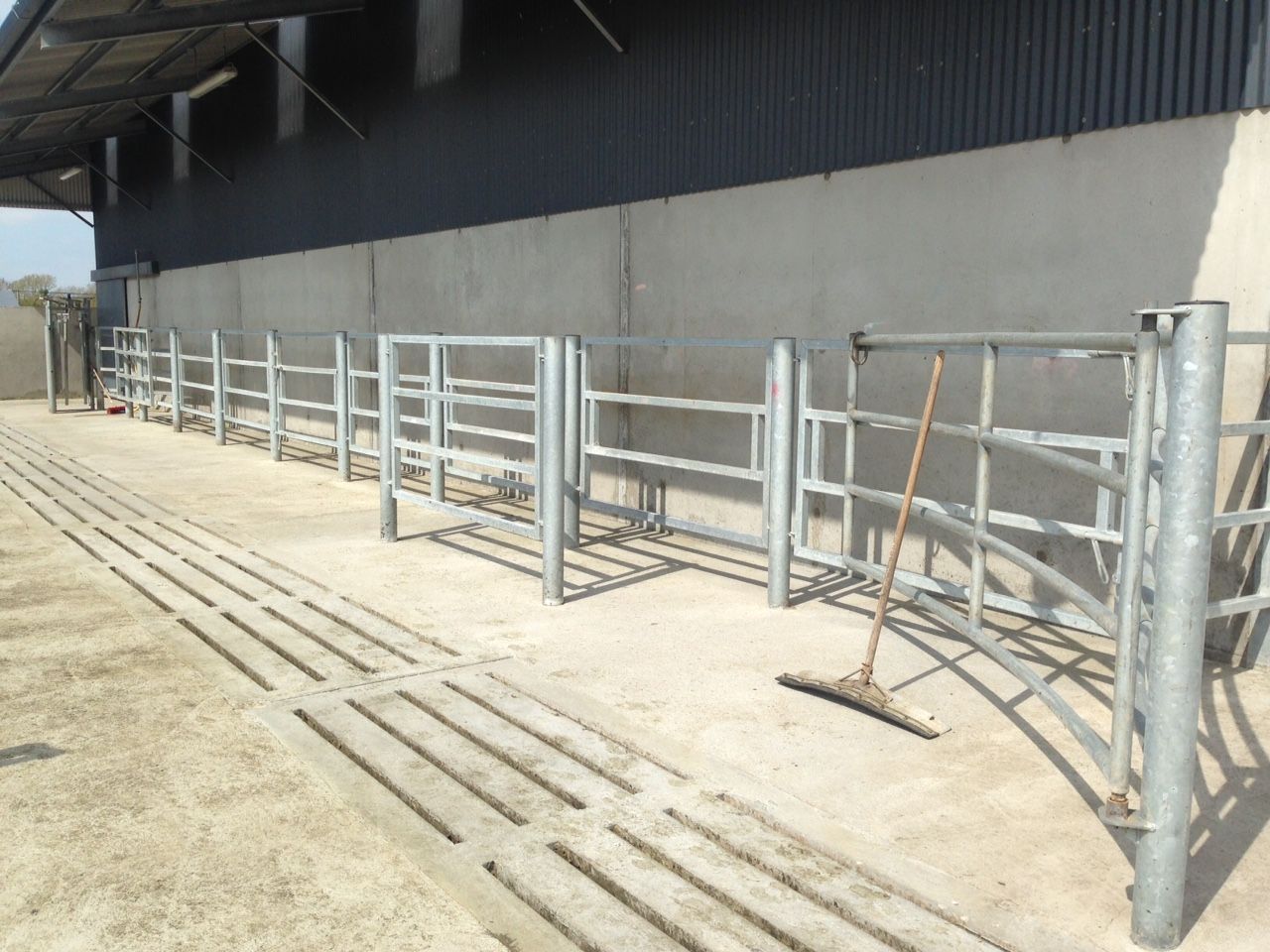
There will be a particular focus on nutrient and slurry storage, with applications for nutrient storage to be prioritised as a result of the new allocation.
The Agri-Climate Rural Environment Scheme (ACRES), which has been taken up by around 54,000 farmers, has also been allocated €280 million.
Tillage farmers
Tillage farmers who are facing higher input costs and the impact of the hot, dry weather over the summer are set to get targeted supports totalling €54 million as a result of today's budget.
That includes €30 million for the Tillage Sustainability Support Scheme, a total allocation of €14 million for the Straw Incorporation Measure and €10 million for the Protein Aid Scheme.
According to the Budget 2027 Expenditure Report there will be an additional €8.4 million for animal health and welfare measures, with €142.4 million specifically allocated to ongoing efforts to tackle TB next year.
Budget 2027 will also deliver a VAT cut on non-oral respiratory vaccines from 23% to 9%.
Acccording to Minister Heydon the existing €131 million allocation for livestock schemes will continue.
This will include the National Sheep Welfare Scheme, National Beef Welfare Scheme and Suckler Carbon Efficiency Programme.
One of the more welcome measures that was announced today will be the fact that from January 2027, the flat-rate VAT addition for farmers will increase from 4.5% to 4.8%.
Succession
The Minister for Finance, Simon Harris and Minister for Public Expenditure, Jack Chambers, today also addressed one of the key conversations that are taking place in rural families at this time - succession.
Families who are currently in discussions about the future of the family farm will welcome the fact that the Succession Farm Partnership Tax Credit is being significantly changed.
The three-year waiting period before farm assets can be transferred will be removed, which will allow earlier transfers to young farmers where other conditions are met.
The tax credit will also double from €5,000 to €10,000 a year.
Over the five-year period, the maximum benefit for new applicants will rise from €25,000 to €50,000.
But outside of the direct measures in Budget 2027 that will directly impact on the family farm there were other key moves that could help to increase household income.
For families that may also receive benefits the weekly social welfare payments will rise by €10, while the Fuel Allowance will increase by €5 a week.
Another measure that may help people living in rural communities is that the Living Alone Allowance will rise by €3 a week while child support payments will increase by €6 a week for eligible children.
In the budget today it was also confirmed that the Working Family Payment income thresholds will also increase by €30 a week.
Housing and childcare costs are an ongoing issue for rural households.
The Tánaiste and Minister for Finance Simon Harris today announced that there will be an increase in the tax exemption to €20,000 in the Childcare Services Relief scheme.
The maximum childcare fee will fall from €735 to €550 a month.
Energy costs
One major issue for every household in the country has been energy costs - the government today confirmed €654.5 million for home energy upgrades, including enhanced supports for retrofitting and solar panels.
But for rural households facing high heating and energy bills, it is not a simple proposition as the potential impact will still depend on eligibility and the type of work carried out.
Will farm families have more money?
The Minister for Finance told the Dáil today that: "People are working hard and doing their best.
"They need the government to work with them and we get that".
But Budget 2027 will not magically deliver one single payment that will solve problems for every farm family.
Instead it is a budget that sets out direct farm schemes, tax measures, investment supports and household increases.
For farmers the major measures include the €93.35 million TAMS allocation, the €280 million for ACRES, €54 million for tillage supports, continued livestock schemes, the increased flat-rate VAT addition and the changes to farm succession tax relief.
But at the end of the day whether they specifically benefit individual farm families will depend on the schemes they qualify for and whether they also qualify for key measures.
The Tánaiste today said family farms "are the glue that bonds rural communities together".
"They represent a system of food production that is safe, reliable and sustainable," he added.
The big question now is: will Budget 2027 put more money in farmers’ pockets and give them the confidence to plan for the future?