Bluetongue: Livestock moving from NI to south should be stopped - Independent Ireland

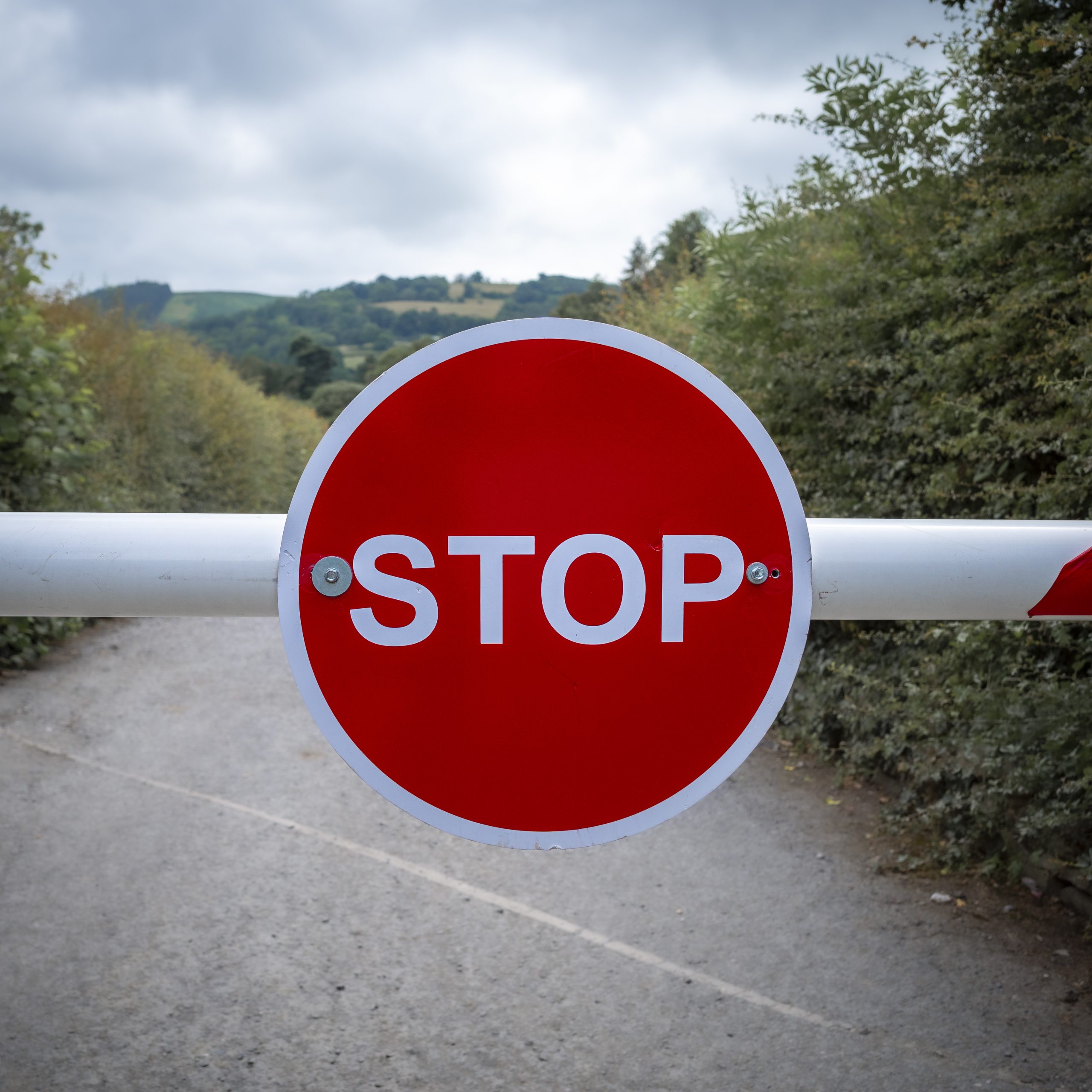
Livestock movements from Northern Ireland to the south should be temporarily stopped following confirmation of bluetongue cases in Co. Down, according to Independent Ireland representatives.
The MEP Ciaran Mullooly and the Roscommon-Galway TD, Michael Fitzmaurice today (Monday, December 8) called for the "precautionary closure of livestock movements from Northern Ireland into the Republic of Ireland following confirmation of bluetongue cases in the North".
The MEP and TD believe that this action is required to "protect Irish farmers, safeguard animal health, and preserve Ireland’s disease-free status".
However they have also suggested that because bluetongue has not been detected in the south, livestock from the south should continue to move between both parts of the island.
The MEP is advocating a cautious approach in the south until "we know the full extent of infection in Northern Ireland".
Deputy Fitzmaurice added: “This is about protecting farmers and preventing a far bigger problem.
"A short-term precaution now will save us from long-term economic damage later.”
Bluetongue
The NI Department of Agriculture, Environment and Rural Affairs (DAERA) confirmed over the weekend that a new suspected bluetongue case had been identified on a farm in Co. Down.
Vets in Northern Ireland were investigating the suspect case of the virus in a cow near Greyabbey on Saturday (December 6).
No futher update has been provided by DAERA on those tests.
The location of the farm is within the existing 20km Temporary Control Zone (TCZ) put in place on November 29, 2025 around a holding near Bangor where the bluetongue (BTV-3 virus) was initially discovered.
The Minister for Agriculture, Food and the Marine, Martin Heydon, TD said has said that farmers across the island are concerned about the threat of bluetongue.
Minister Heydon has confirmed intensive surveillance for bluetongue has been "ramped up" following confirmation of the virus in Northern Ireland.
The minister has stressed that bluetongue "does not have any implications for food safety or human health".
"This disease does have a real impact on farmers whose flocks or herds are affected, however, due to the financial and emotional stress which accompanies the animal health and welfare consequences," he warned.