Bluetongue cases in Britain surpass 70 in just one month

A total of 73 bluetongue cases have been confirmed in the UK since the start of the 2026/2027 season on July 1, according to the Department for Environment, Food and Rural Affairs (Defra).
Defra stated that 69 of these cases were detected in England, while the remaining four outbreaks were identified in Wales, with all testing positive for the BTV-3 strain following reports of animals displaying suspicious clinical signs.
The first confirmed case of the new bluetongue season was identified in Staffordshire on July 10, involving a ewe presenting with head swelling, drooling, crusty nostrils and lameness.
Since then, the number of confirmed cases has steadily increased, with Devon and Somerset currently emerging as the main hotspots for infection.
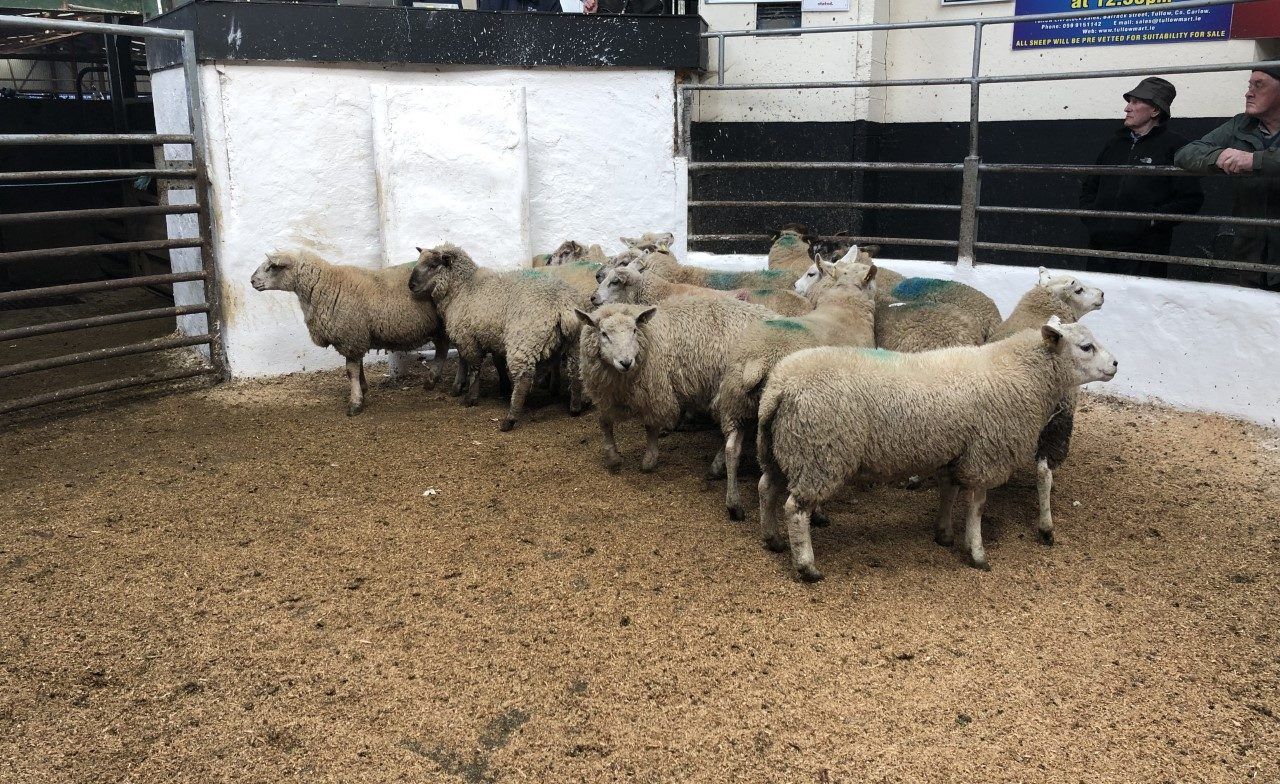
Of the 73 cases detected so far, 47 have involved sheep, 25 have involved cattle, while one case involved both cattle and sheep on the same holding.
Bluetongue
According to Defra, the most common clinical signs caused by bluetongue include: fever; lethargy; facial swelling; excessive salvation; crusting around the muzzle and nostrils; nasal discharge; and ulceration of the mouth and tongue.
Several cattle have also experienced reduced milk yields, reddening of the teats and udder, swollen coronary bands, and difficulty walking.
One flock in Devon recorded clinical signs in around 10% of its sheep, with six ewes and lambs dying as a result, while other farms in Somerset and Cornwall also reported deaths among infected sheep.
Congenital abnormalities have also been recorded, including blind calves in Cheshire and a heifer in the Vale of Glamorgan that tested positive following a series of abortions within the farm's herd.
Ireland
Back across the Irish Sea, the last confirmed case of bluetongue in Ireland was detected among a cattle herd in Co. Tipperary on May 27 this year, bringing the total of affected counties to eight.
The first case was confirmed in a suckler herd in Co. Wexford on January 24 through the culled cow routine surveillance in a slaughterhouse.
Meanwhile, there has been five cases of bluetongue detected in Northern Ireland since the country's first ever outbreak on November 29, 2025.