Biomethane industry calls for 'coherent' policy

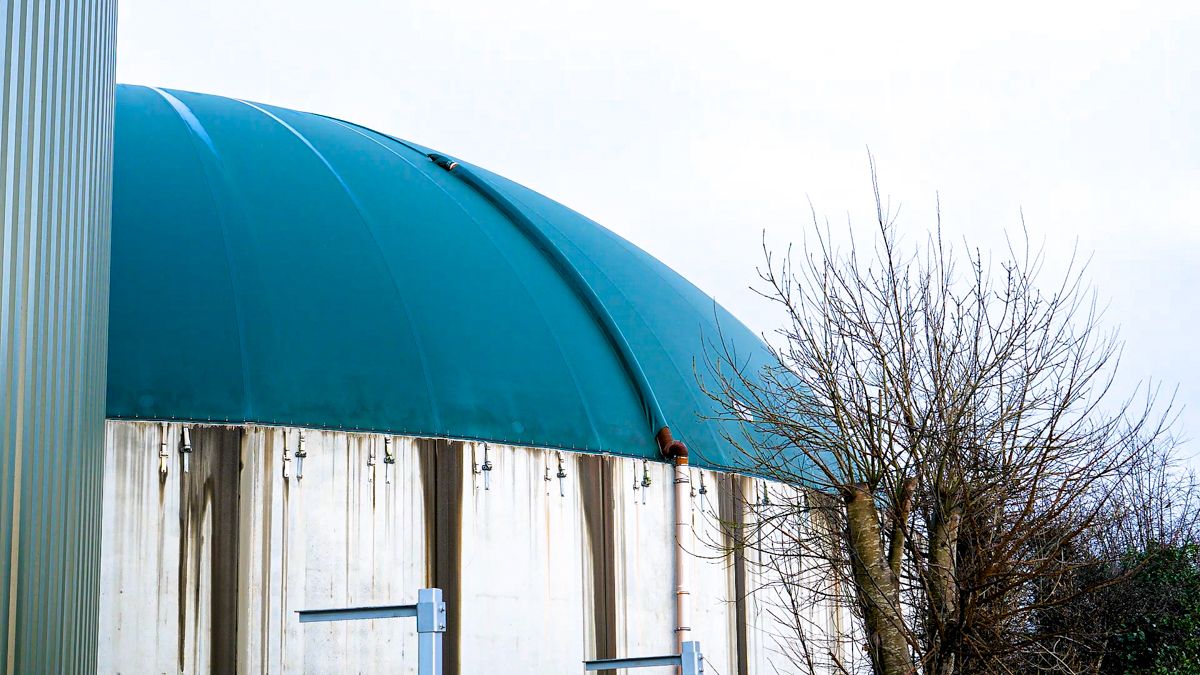
Biomethane industry representatives have jointly welcomed progress on capital grants – but have called for "investment certainty and coherent policy".
Renewable Gas Forum Ireland (RGFI), the Irish Bioenergy Association (IrBEA) and Cré, the Composting and Anaerobic Digestion Association of Ireland, have welcomed last week’s announcement of the opening of expressions of interest for the biomethane capital grant scheme.
The three organisations, representing complementary parts of Ireland’s renewable gas, bioenergy and anaerobic digestion sectors, have urged that projects already in development are not excluded from support.
'Continued uncertainty'
They have also called for the Renewable Heat Obligation (RHO) legislation to be published and for clarity on the scheme’s commencement date, trajectory and market design as a matter of urgency.
The organisations warned that while investment in gas network infrastructure and capital supports is welcome, these measures must be matched by a dependable market for indigenous renewable gas.
Without the RHO, developers face continued uncertainty over the revenues needed to finance new production facilities.
"Biomethane developers and investors need investment certainty. Publication of the RHO legislation and clarity on key scheme parameters are essential to unlocking investment," a joint statement from the organisations said.
"But the RHO alone cannot deliver the industry's full potential.
"A coherent policy and regulatory framework is also needed to remove barriers and enable viable markets for digestate, recovered nutrients and biogenic CO2, strengthening the economics of anaerobic digestion and helping to deliver more competitively priced renewable gas."
Budget 2027
This united call follows Budget 2027, which reduced and froze the carbon tax on natural gas and kerosene at €48.50/t, without corresponding measures to accelerate the production and uptake of renewable gases, including indigenous biomethane and renewable liquid gases.
"We fully recognise the immediate need to protect households and businesses from energy costs," Nick Bennett, CEO of RGFI said.
"But short-term cost-of-living measures must be matched by policies that deliver longer-term energy security and affordability for consumers.
"Developing indigenous renewable gas at scale reduces Ireland’s exposure to imported fossil gas and volatile international energy markets."
The Taoiseach reaffirmed the government’s ambition to produce 5.7 TWh of biomethane by 2030 when opening Gas Networks Ireland’s €32 million central grid injection facility in Mitchelstown this month.
The facility can inject up to 700 GWh (0.7 TWh) of renewable gas annually.
Industry has said the priority now is to bring forward sufficient Irish production to use that infrastructure.
Food security
According to Sustainable Energy Authority of Ireland figures cited by the organisations, imports met 78.2% of Ireland’s energy needs in 2025, including 82.3% of natural gas.
Anaerobic digestion offers an opportunity to replace imported gas with biomethane made from Irish feedstocks, while recovered nutrients and digestate can reduce dependence on imported fertilisers and biogenic CO2 can serve the Irish food and drink industry.
Budget 2027 also provided €31 million in fertiliser support to top up the EU fertiliser package.
While farmers need support, the organisations said they believe the design of such measures should recognise the potential of indigenous recovered nutrients and bio-based fertilisers.
“The RHO will be critical, but it cannot build this industry alone," Tony Breton of Cré said.
"Digestate, recovered nutrients and biogenic CO2 are valuable products in their own right.
"Removing regulatory barriers and developing viable markets for these products can strengthen the economics of anaerobic digestion, reduce dependence on imported inputs and help make renewable gas more competitive."
Support
The three organisations are calling for:
- Urgent publication of the RHO legislation and clarity on its commencement date, trajectory and market design;
- A multi-annual investment pathway to 2030 to bring forward the scale of biomethane production required;
- A clear regulatory framework and measures to develop viable markets for digestate, recovered nutrients and biogenic CO2, enabling the full commercial value of anaerobic digestion to be realised;
- Fair treatment and appropriate support for renewable alternatives alongside government measures supporting fossil fuels, fertilisers and other imported inputs.
Seán Finan of IrBea concluded: "The Taoiseach has reaffirmed the importance of biomethane to Ireland’s energy future.
"The challenge now is to translate that ambition into the policy, regulatory and market measures needed to deliver it".