Ireland imported more than twice the volume of home-grown cereals in 2025

Around 5.1 million tonnes of cereals were imported into Ireland last year, according to Department of Agriculture, Food and the Marine (DAFM) figures.
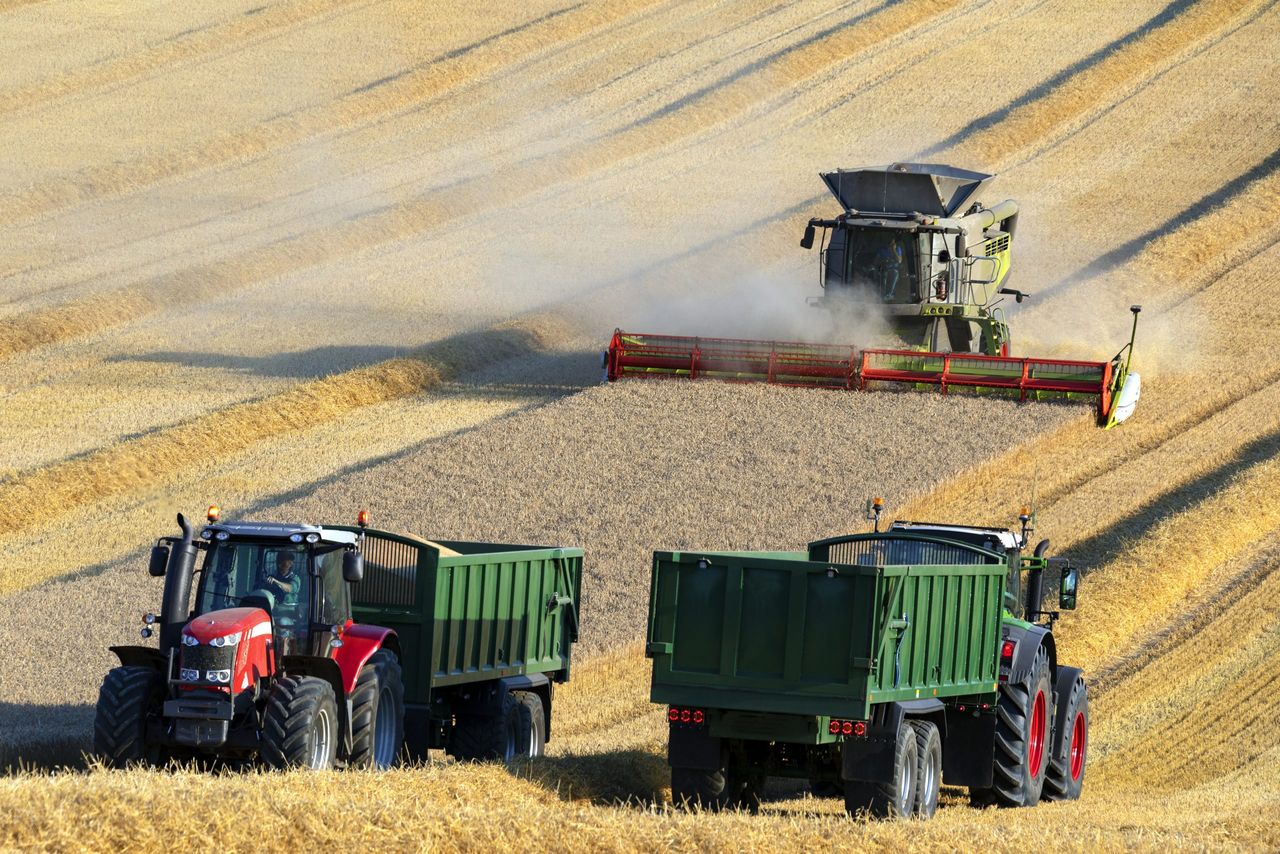
This compares to 2.2 million tonnes produced in Ireland last year.
The figures highlight a potential vulnerability as Ireland imports more than twice the volume of cereals it produces domestically.
The figures were revealed by Minister for Agriculture, Food and the Marine Martin Heydon in response to a query from Sinn Féin TD Denise Mitchell.
The Dublin North-West TD had asked the minister for plans in place in the event of a significant disruption of trade flows affecting the approximately 4.5 million tonnes of animal feed which the state imports annually.
Minister Heydon said: “Whilst 80% of animal feed in Ireland is derived from grazed grass/preserved forage, about 6.5 million tonnes (2025) of compound feed is manufactured in Ireland.
“Approximately 2.2 million tonnes of home-grown cereals are produced - barley, wheat and oats (includes human consumption) and some 5.1 million tonnes (2025) imported.”
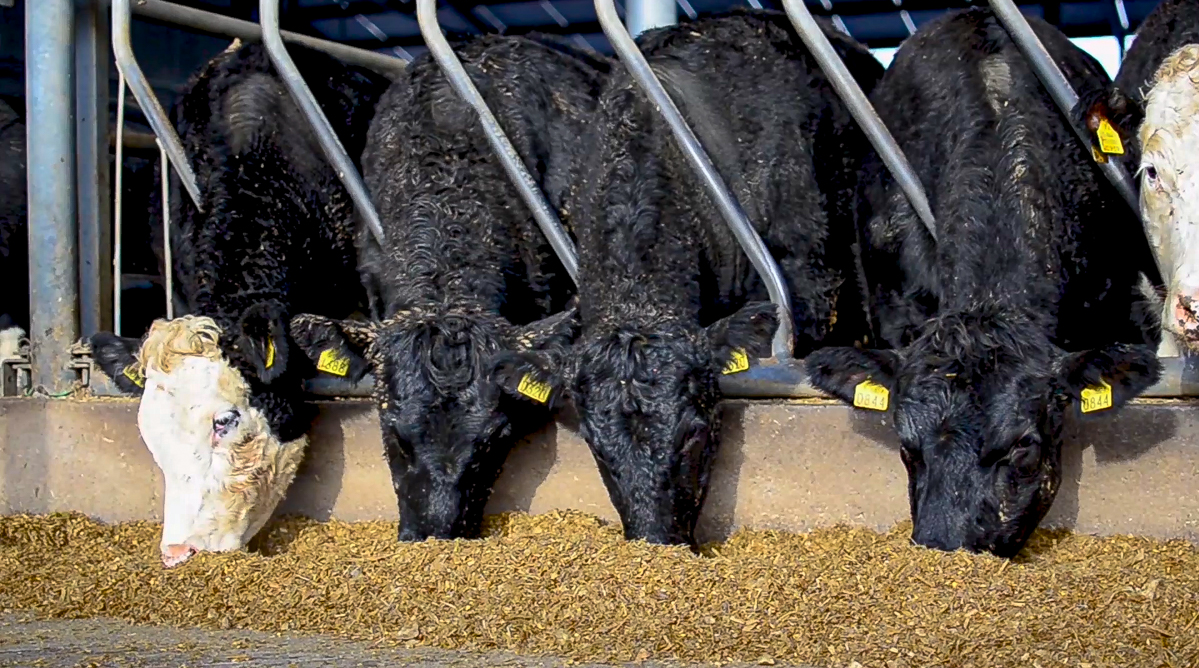
The minister explained that in the case of pigs and poultry, virtually all their nutrition is derived from compound feeds.
He added: “The main commodities imported are maize and maize by-products, soyabean meal and hulls, rapeseed meal, vegetable oils and fats, minerals and vitamins.
“Imports from the EU make up approximately 25% of imported feed, with the balance sourced from third countries, mainly Argentina, USA, Canada and Brazil."
Minister Heydon went on to explain that the issue of feed supply is linked to the overall principles of European food security.
"The Common Agricultural Policy (CAP), in supporting farm incomes and sustainable food production, plays a fundamental role in ensuring European food security," he said.
EU agriculture ministers
The minister added that at the informal meeting of EU agriculture ministers he hosted in Dublin and Kildare in September, discussions focused on the European Commission’s new Livestock Strategy and Protein Action Plan, including the need to strengthen European protein production.
Minister Heydon said: “With regards to Irish feed importers, these companies have well established commercial relationships and have significant knowledge and experience in dealing with trade and climate disruptions as well as logistical difficulties.
“My department actively engages with these businesses through implementation of European Community legislation concerning animal feeding stuffs and is taking practical steps to strengthen resilience across key agricultural supply chains, including feedstuffs.
“This includes monitoring the availability of critical inputs and supply chain pressures, engaging directly with industry on potential disruptions, and assessing risks to the continuity of feed and input supplies.”