Winter beef: Making the call on a shed finish or back to grass

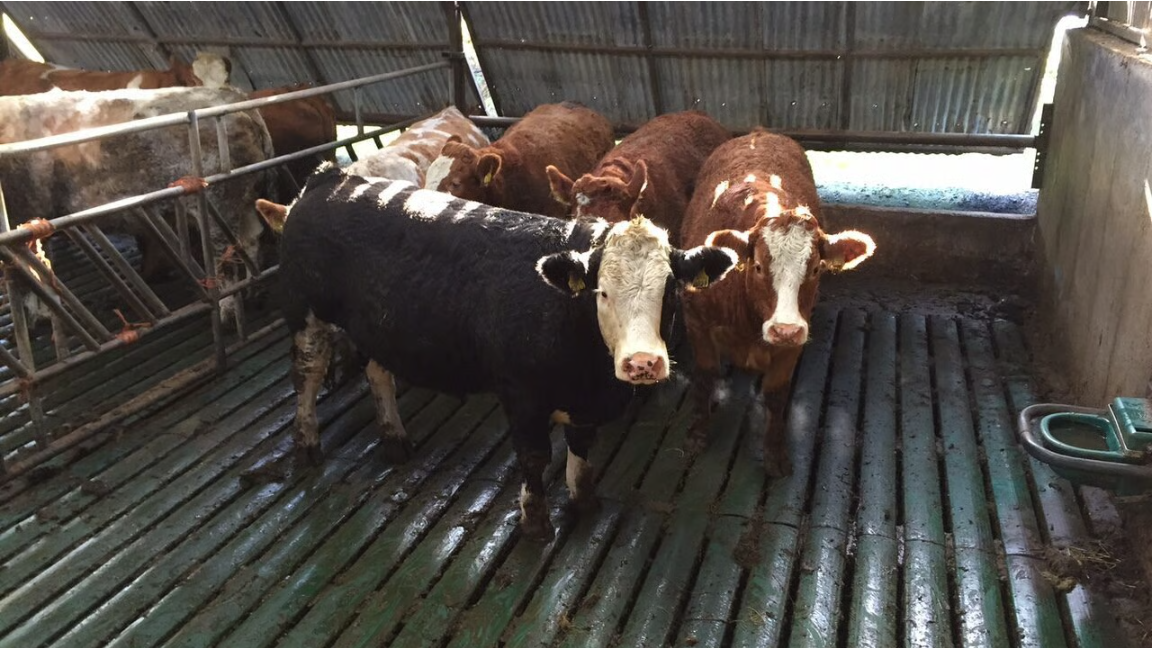
Now is a good time - if farmers have not already done so - to make the call on whether cattle will be finished from the shed or go back to grass next spring.
Having a clear plan for different batches of cattle is important as it will determine the level of concentrates and the contents of the ration that cattle will need to be fed.
A number of factors will determine the decision taken, including cattle ages, trade confidence, and - mainly - cattle weights.
When finishing cattle, the approximate target slaughter weight is important to identify and will differ depending on the producer and the type of cattle.
Cattle weights
As well as this, ensuring the carcass reaches an acceptable fat cover and grade is important to ensure it achieves its highest value per kilo on the sale date.
Under-fleshed cattle will naturally be priced at a lower rate than 'in-spec' cattle.
Before sending cattle to the factory, it is important the farmer is sure that carcass fat score and factory specification is correct - if selling cattle 'on the grid'.
Traditional breeds such as Angus and Hereford cattle can become over-fat surprisingly quick, and this is particularly the case when finishing heifers.
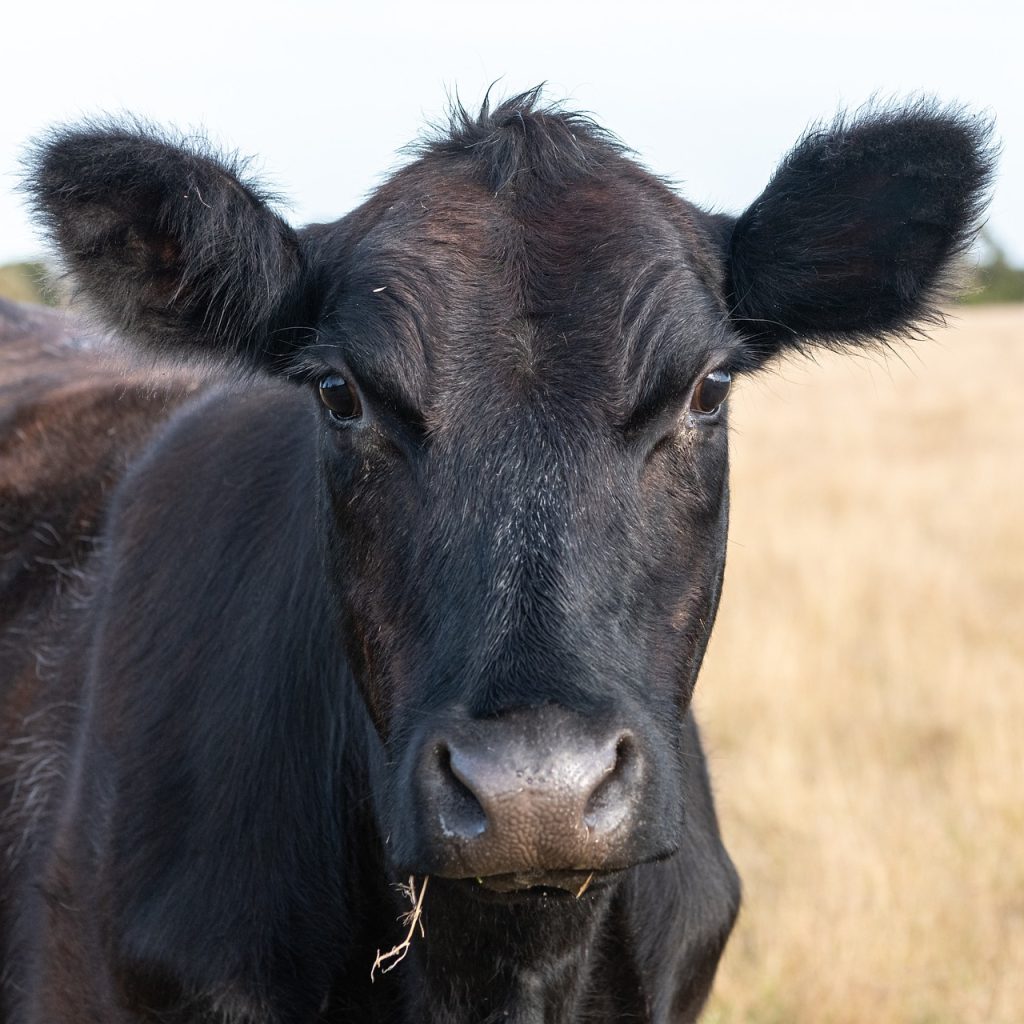
Continental bullocks can often stay lean or 'short of flesh' for a longer period, so it is important ensure cattle will tick all the boxes when presented at the factory.
While many experienced beef finishers will have a well-trained eye and can judge when their cattle are fit, those who are unsure should contact a factory agent.
These agents are generally more than happy to take a look at the cattle before they are sent to the factory.
Rations
When determining the level of ration to feed to cattle being pushed on for a finish, the first place to start is with silage quality.
The table below details guideline daily feeding rates based on silage quality (DMD):

The higher the dry matter digestibility (DMD) value of the silage, the lower the volume of concentrates that will be required.
Farmers should contact a livestock nutritionist for advice on ensuring cattle are being fed a balanced ration that will deliver the required performance.
Where cattle are going back to grass, maintaining good live weight gain over the winter is still important but less focus is needed on building fat cover.
The general consensus from farmers across the country this year is that cattle have done well on grass even into the autumn.
Keeping an eye on weights and performance over the winter will be key to producing in-demand cattle at the desired sale time.